
Senior Picture Ideas After You Commit to College
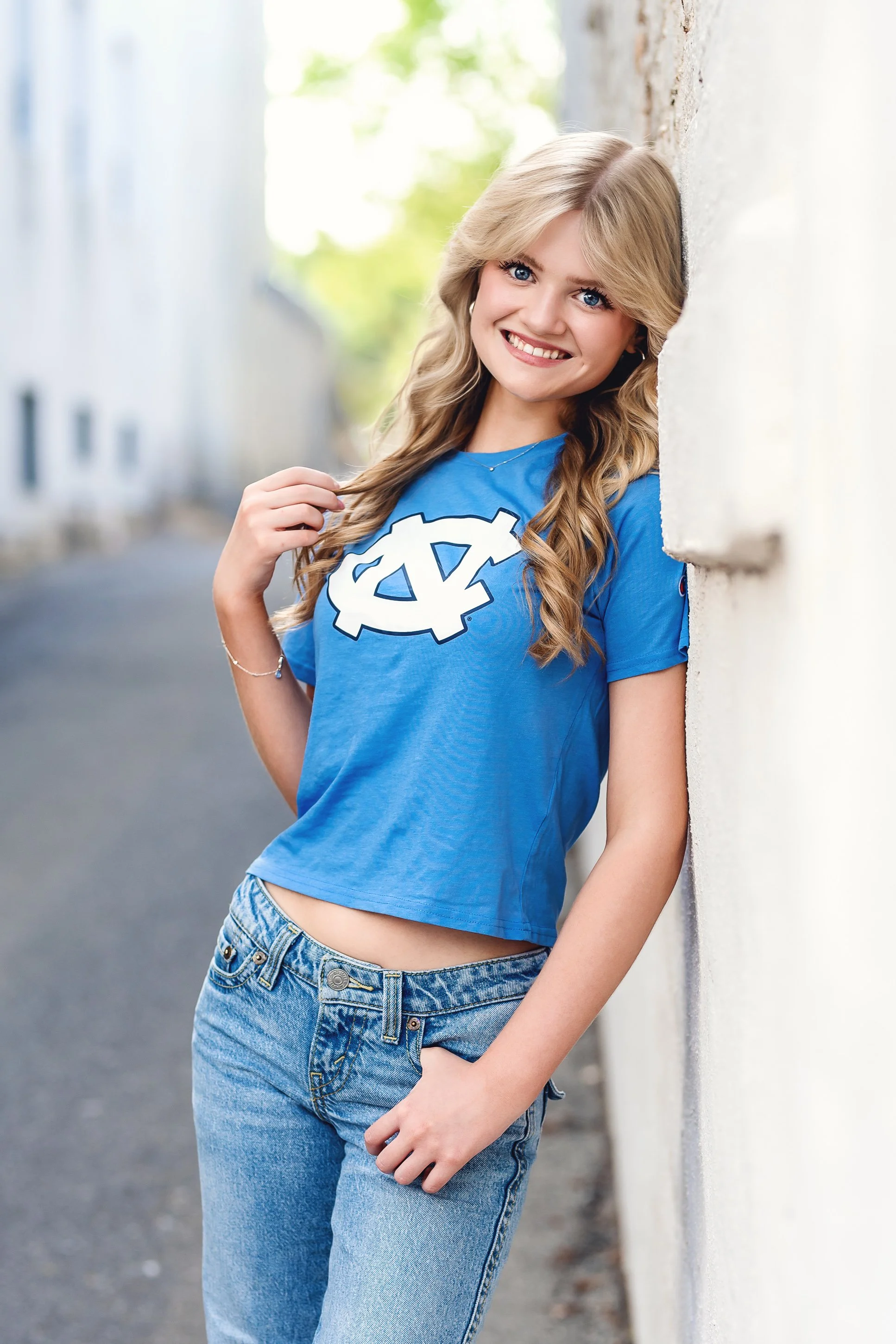
One of my favorite things to photograph during senior year is the excitement that comes after a college decision has finally been made. Here are some simple ways to incorporate college shirts, sweatshirts, pennants, hats, and acceptance signs into your senior pictures.
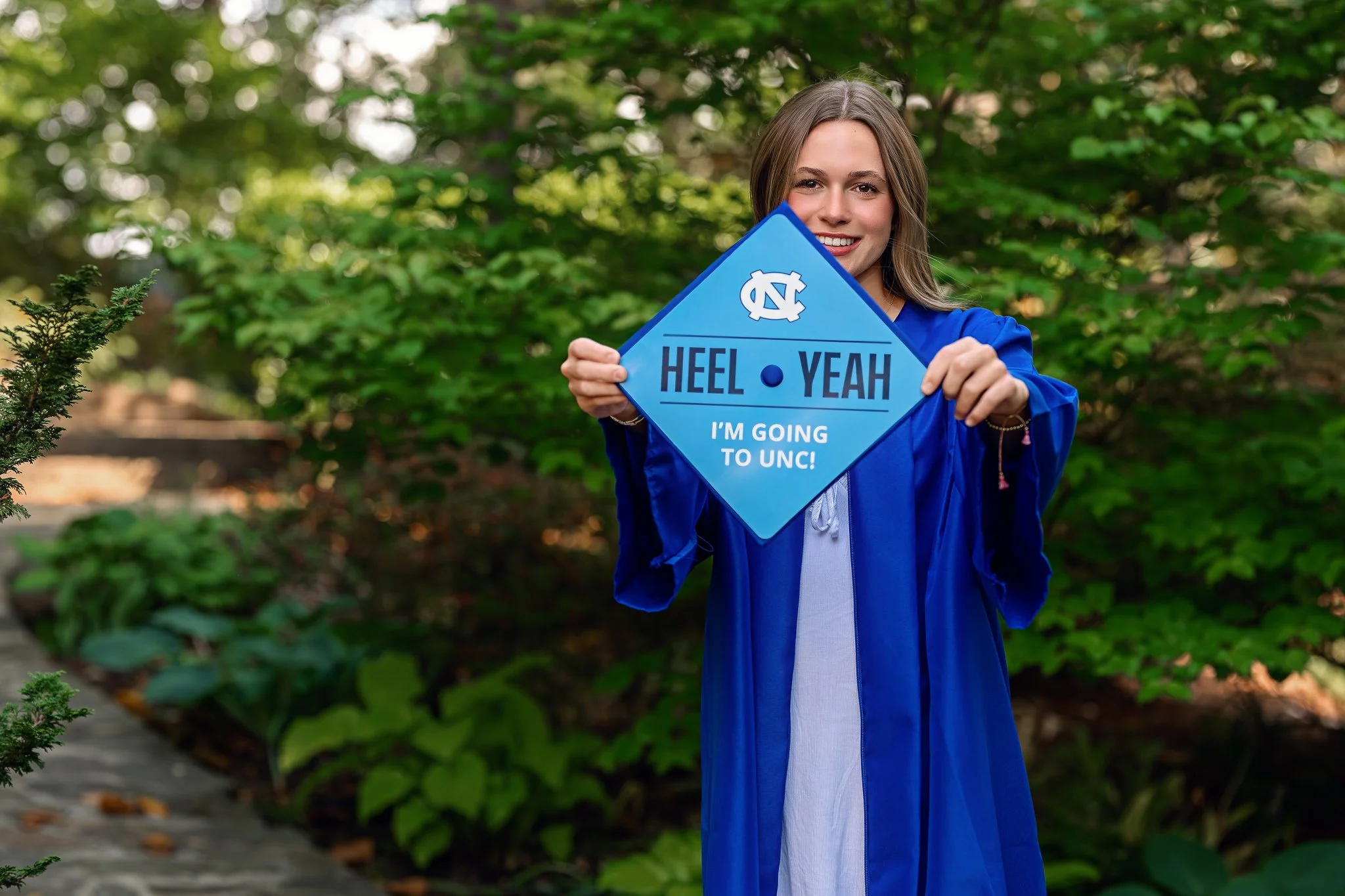
One thing I always tell seniors is that if you've committed to a college before your session, bring something from the school.
Seriously. Throw the sweatshirt in the car. I don't care if it's a t-shirt, a hat, a pennant, a flag, an acceptance sign, or half the campus bookstore. Bring it.
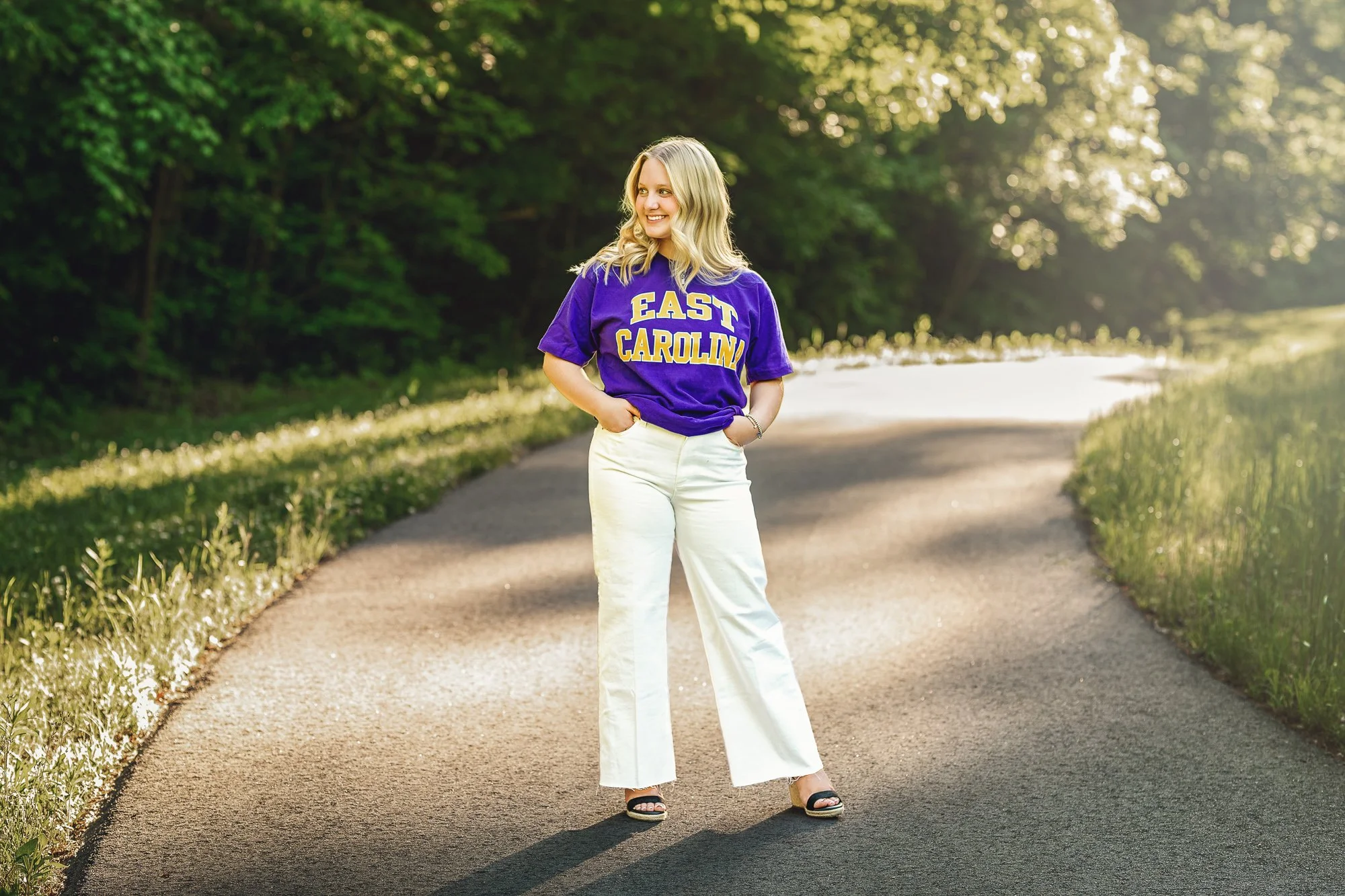
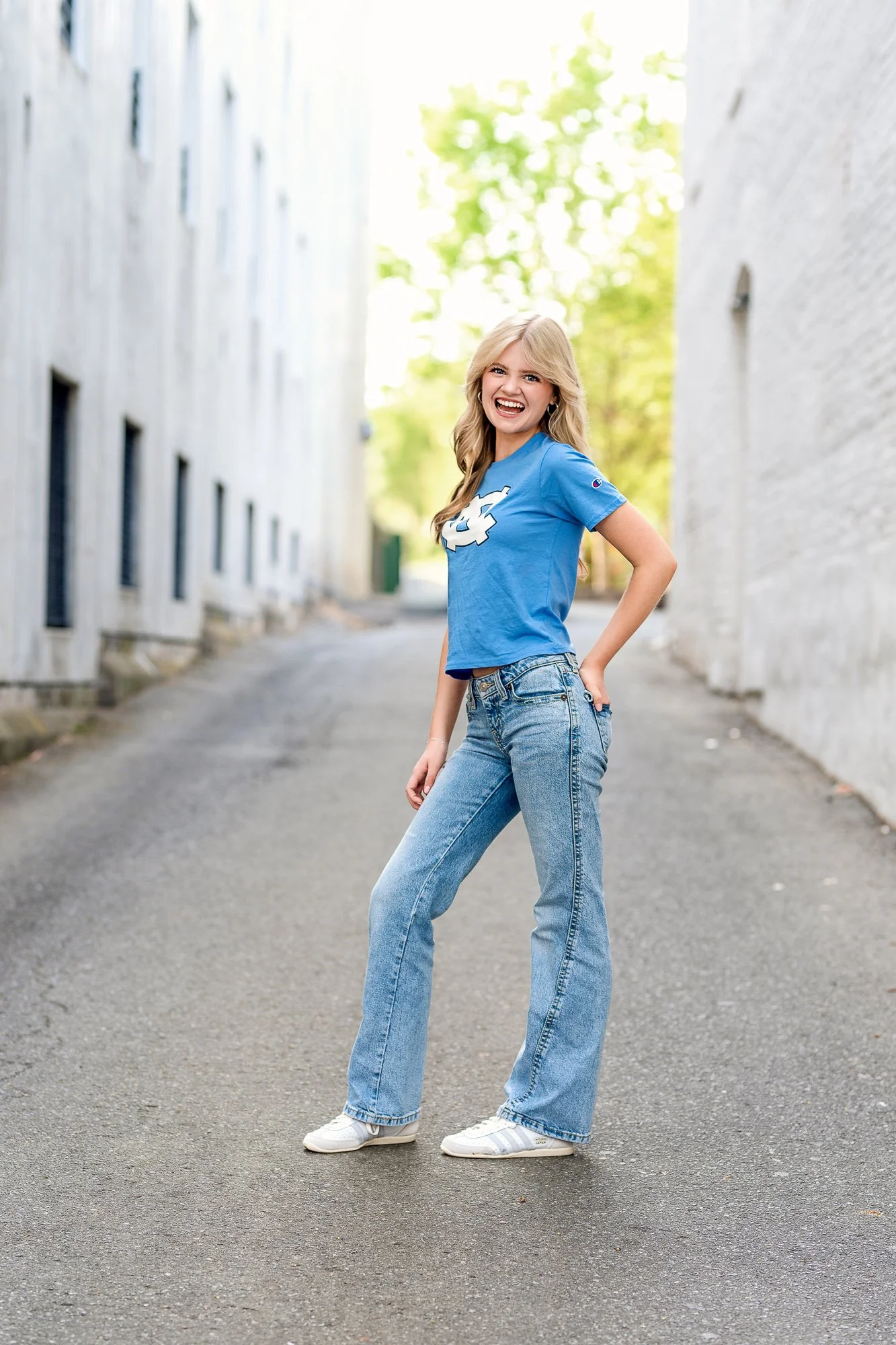
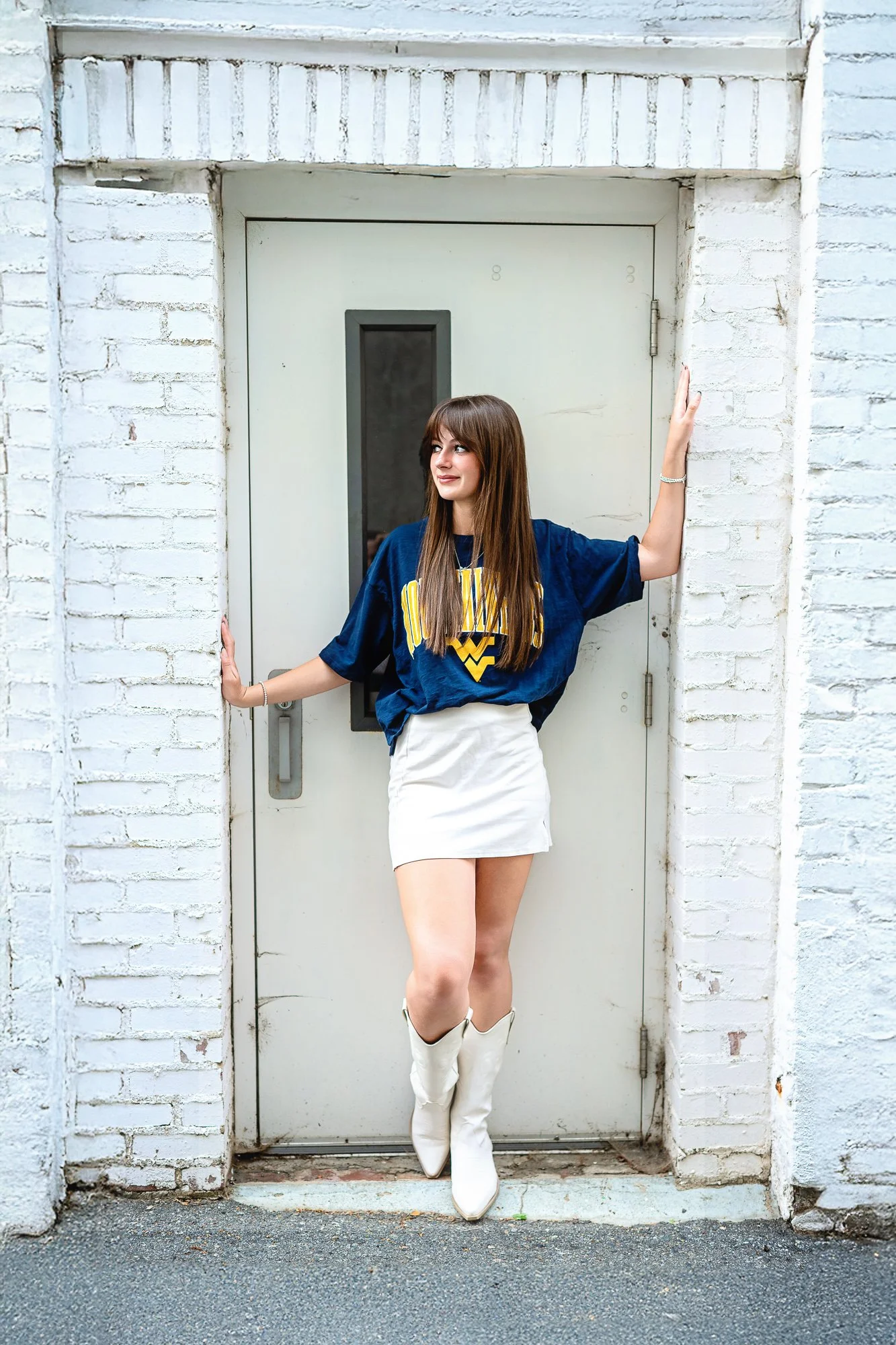
The funny thing is that most seniors don't know where they're going when they book their session. Some know immediately. Some don't decide until spring. Some change their minds three times. That's normal. But once you've made the decision, it's a big deal.
You've spent years working toward whatever comes next, and for the first time it starts to feel real.
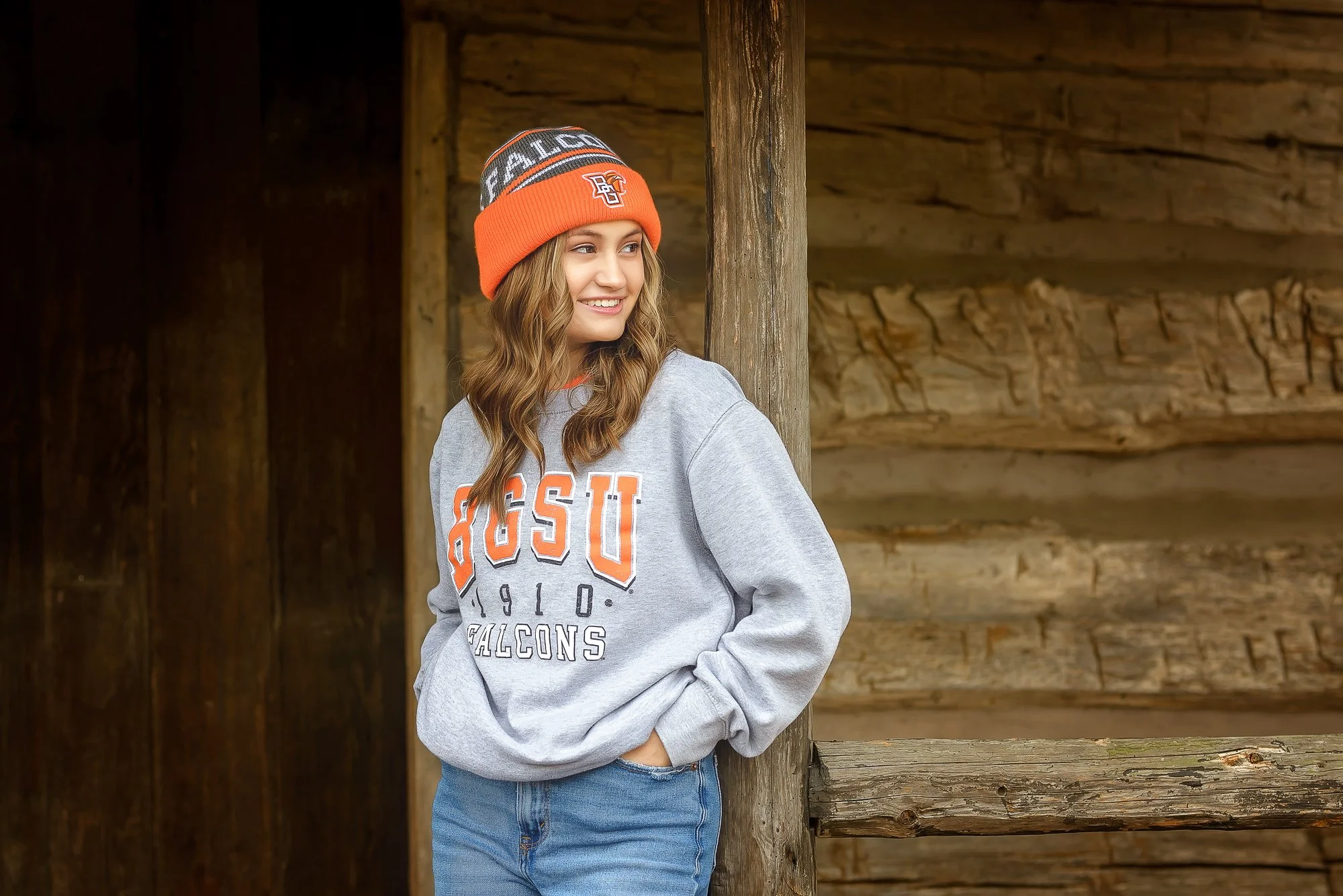
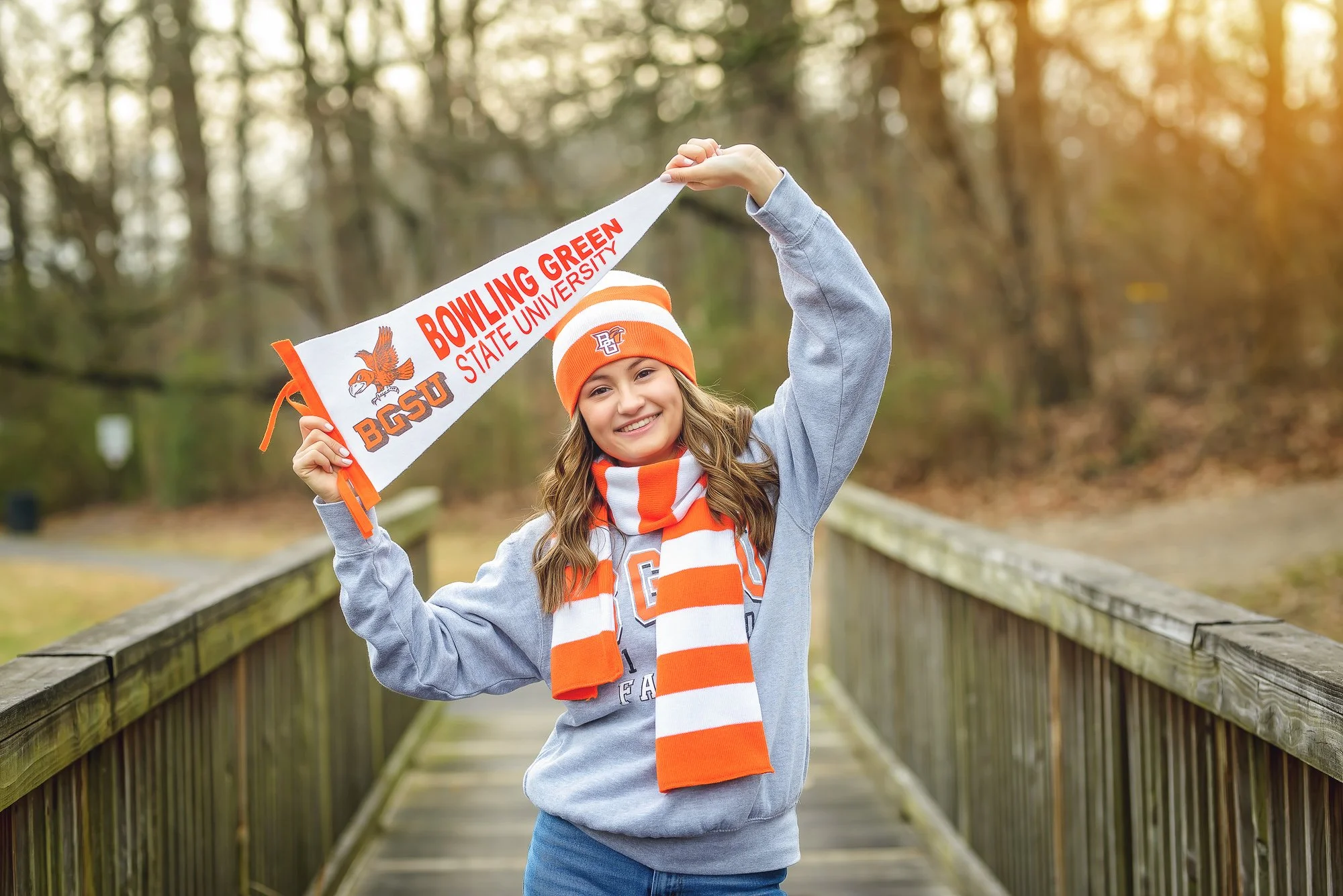
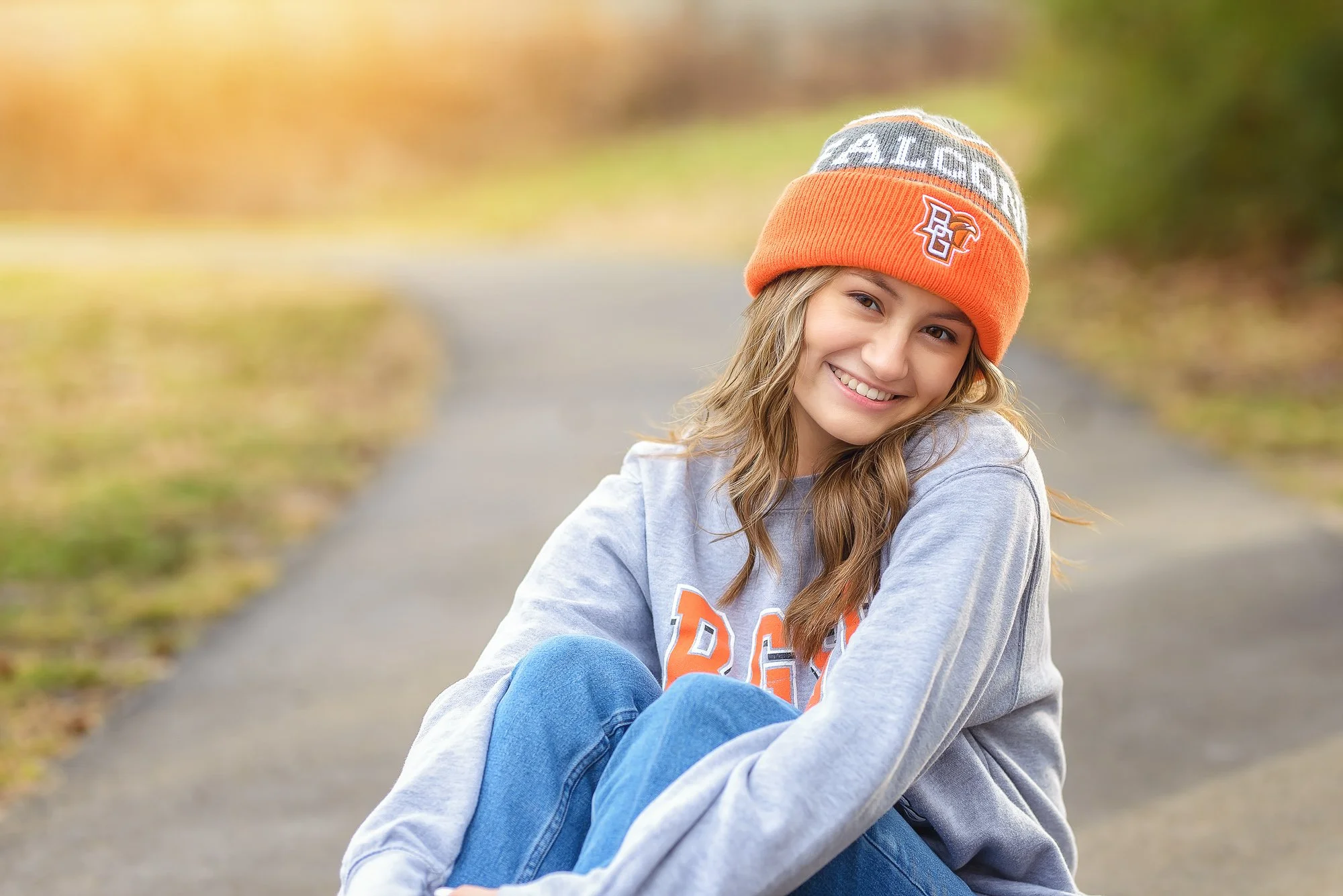
I like weaving college gear into a few images throughout the session. Maybe it's a sweatshirt for one outfit. Maybe we pull out a pennant at the end. Maybe you want a few photos with your acceptance sign for your graduation announcements. It doesn't need to take over the whole session.
The goal isn't to make every picture about the college. The goal is to capture where you are right now.
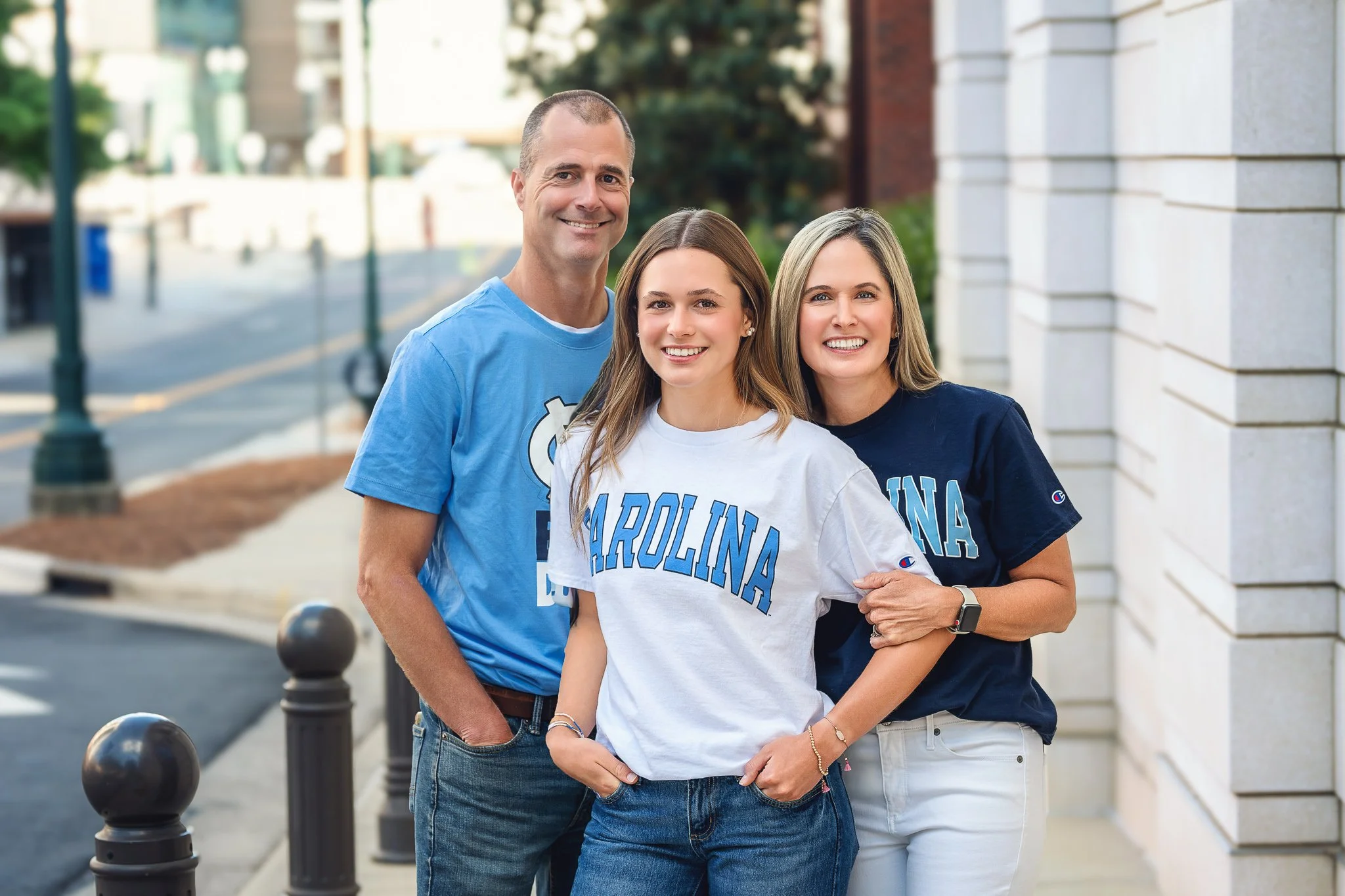
A few years from now you'll probably have a closet full of college gear and won't think much about it. Right now though? That first sweatshirt hits a little different.
That's why I love including it.
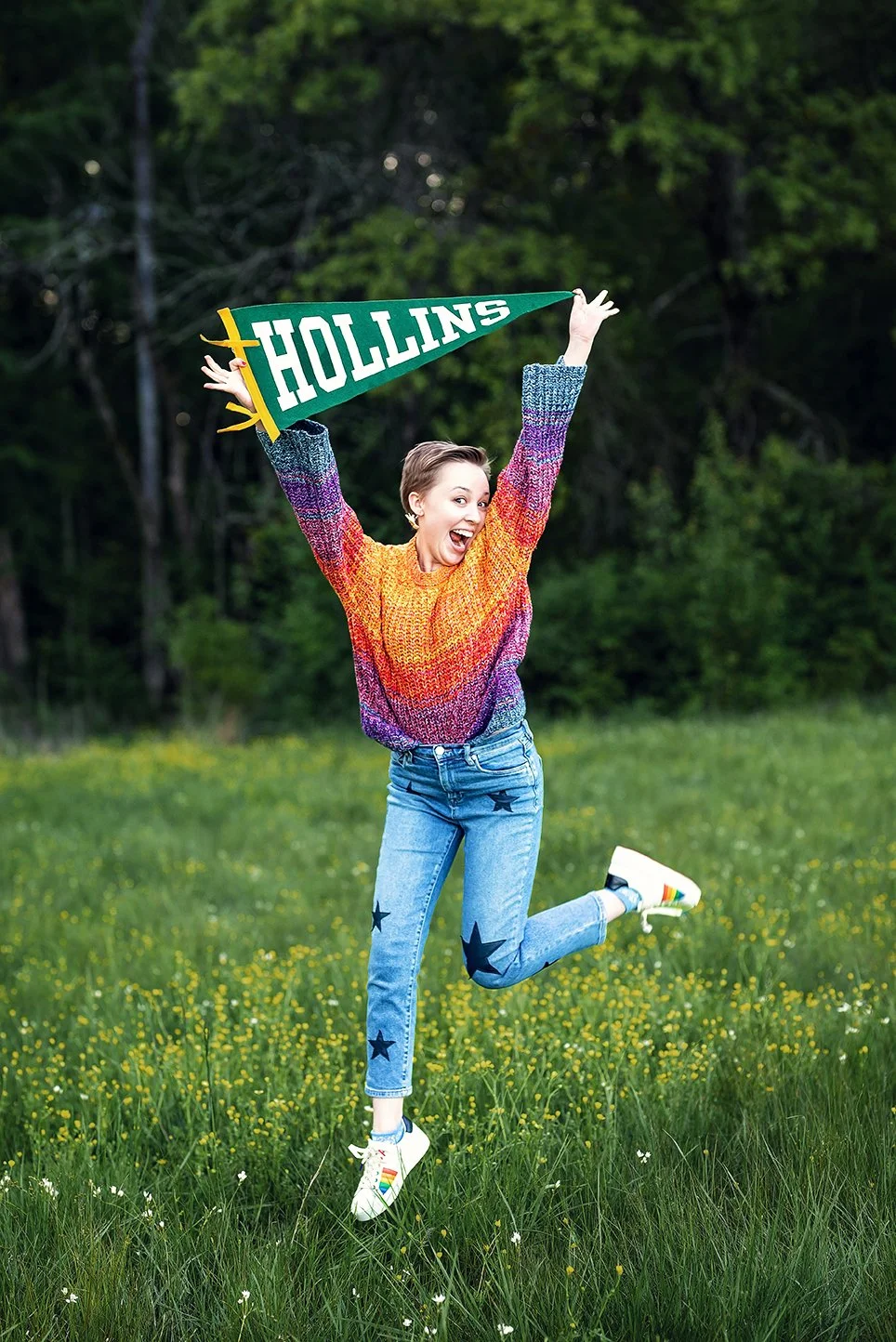
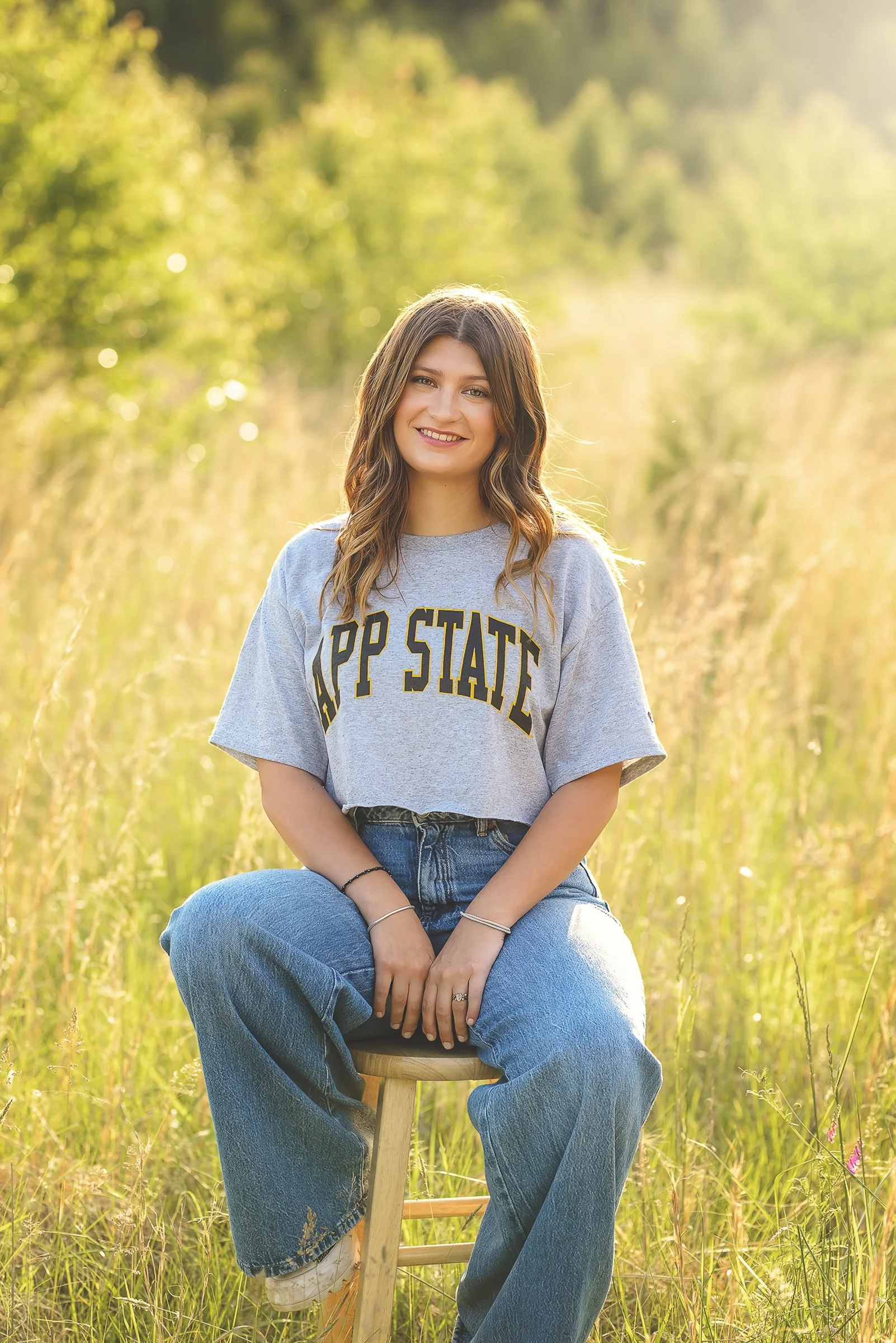
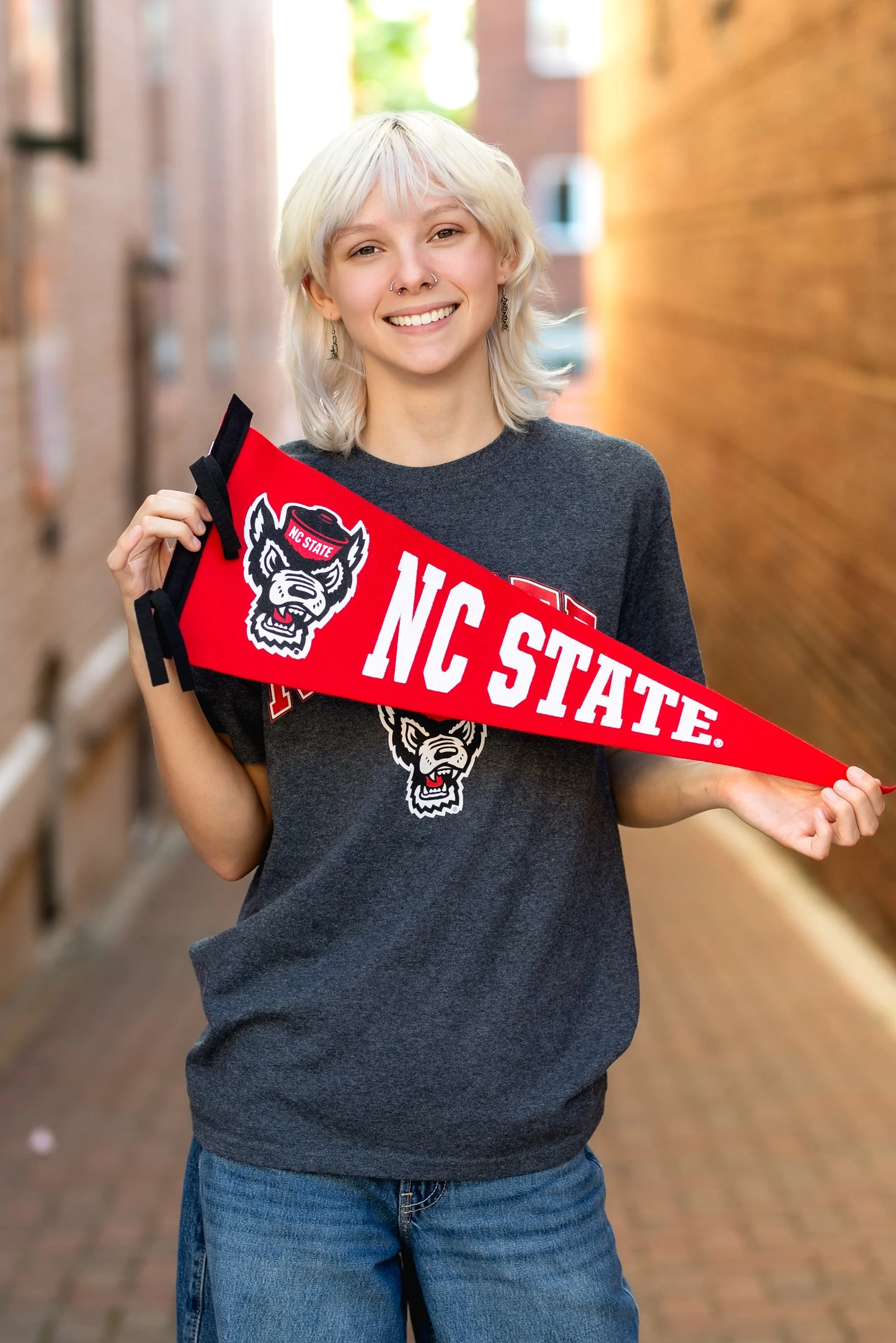
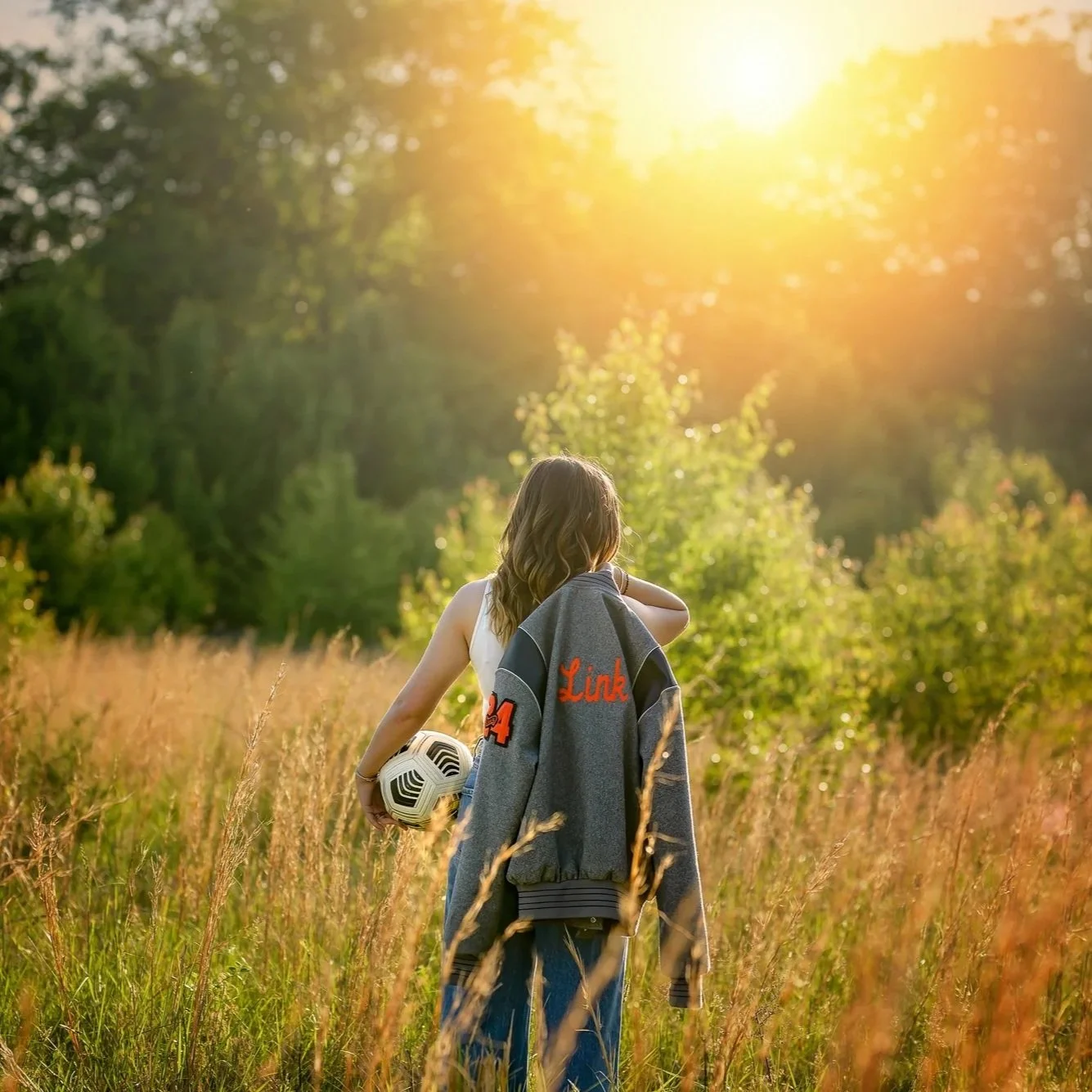
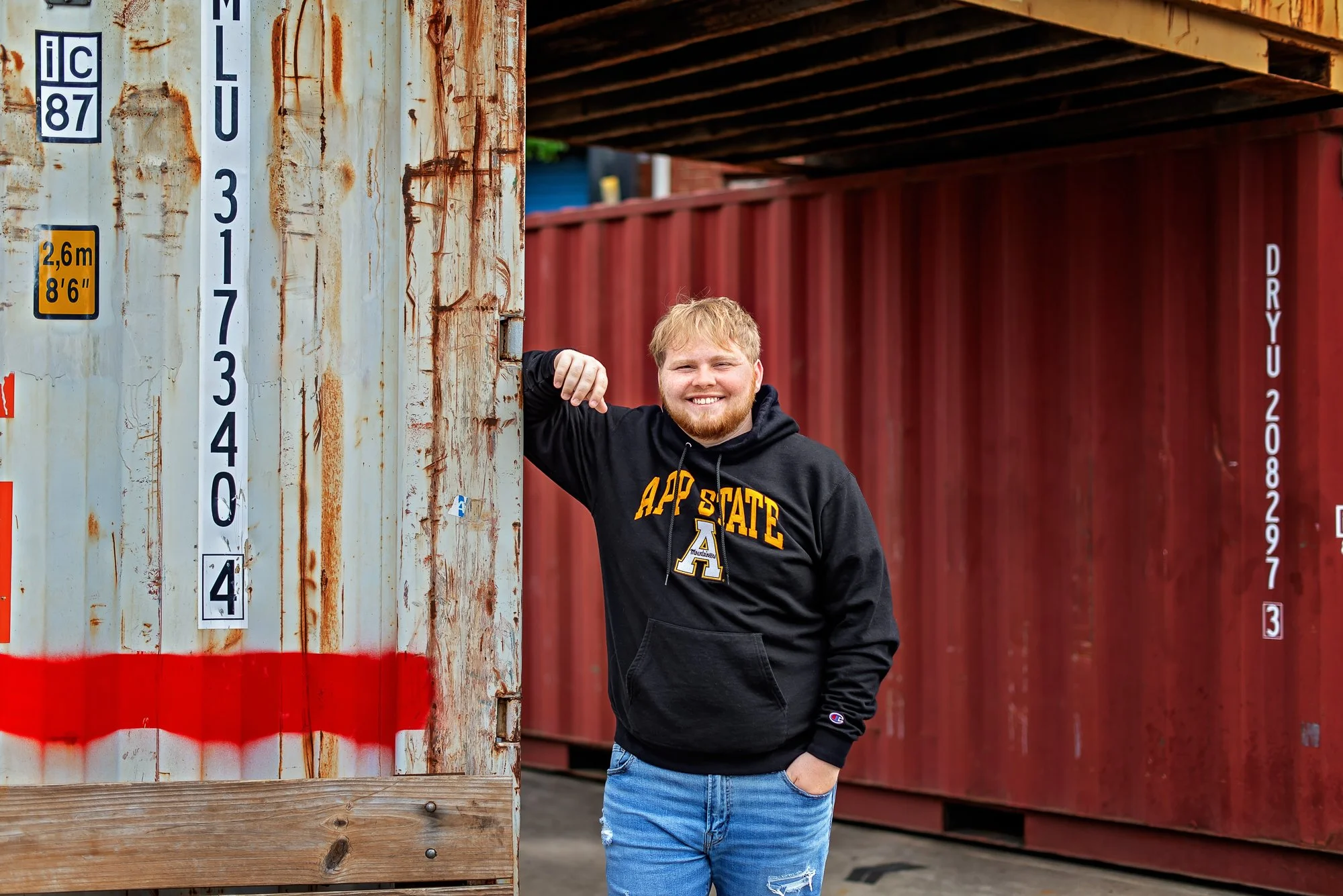
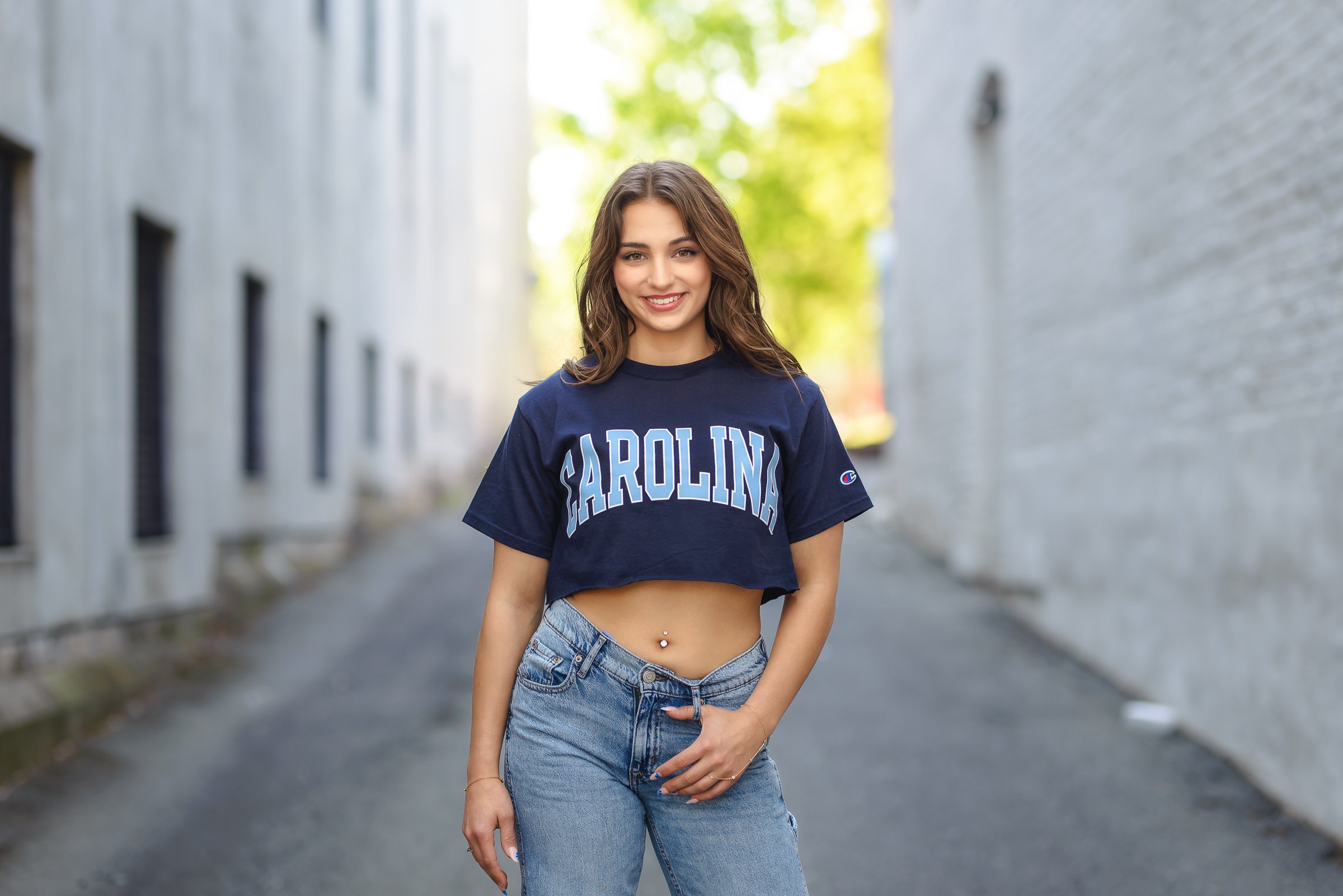
So if you've committed to a school, don't leave the gear at home. Bring it all and we'll figure out what makes sense once we're shooting. And if you’re shooting in the fall or winter before you’ve decided, a mini cap and gown or college gear session is always a really great and easy add on!
I'd rather have too many options than realize halfway through the session that your future college t-shirt is hanging in your closet.

Should You Bring Your Pet to Your Senior Pictures?
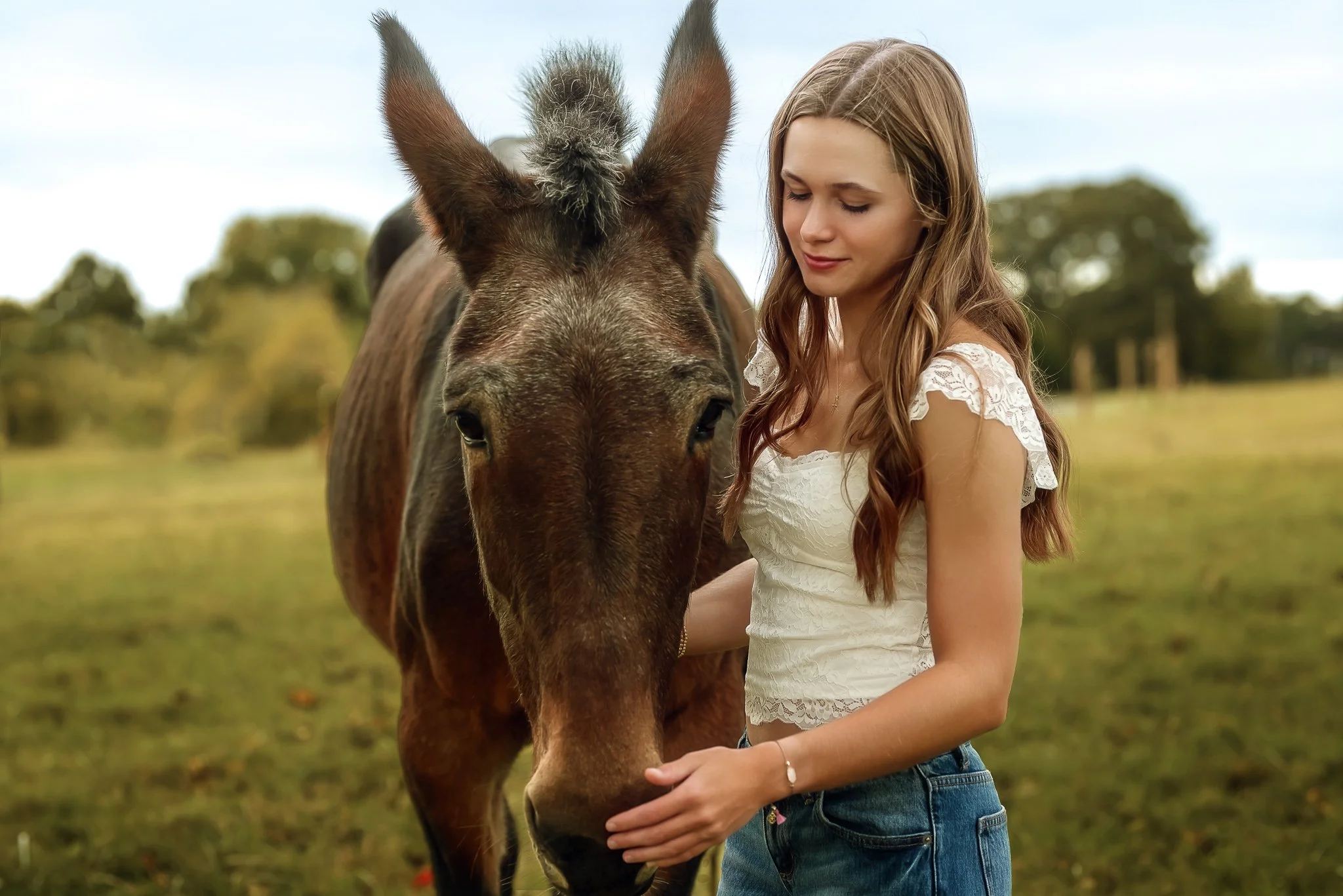
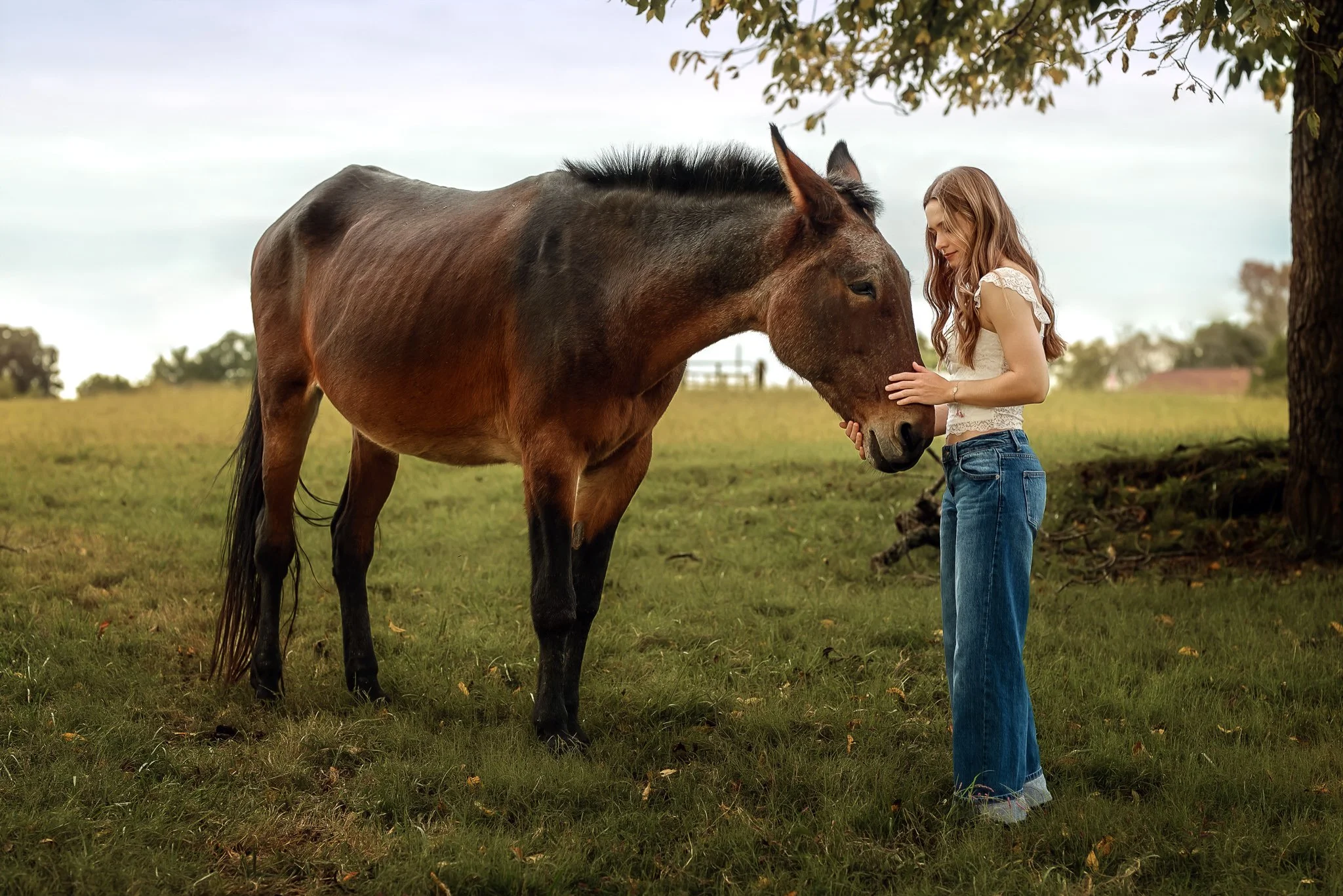
Can you bring your dog, cat, or horse to your senior pictures? Absolutely. Here's why some of my favorite senior portraits include pets, along with a few things to consider when planning your session.
One of the questions I get from seniors fairly often is whether they can include their pet in their senior pictures.
The answer is usually yes. Not because I think every senior session needs a dog, horse, cat, or other animal involved, but because I think senior pictures should feel personal. The sessions that tend to mean the most years later are usually the ones that include the people, places, and things that were actually important during that season of life.
For some seniors that's a sport they've dedicated years to. For others it's music, theater, art, or a favorite location. And for some, it's the animal they've grown up with and can't imagine leaving out of their photos.
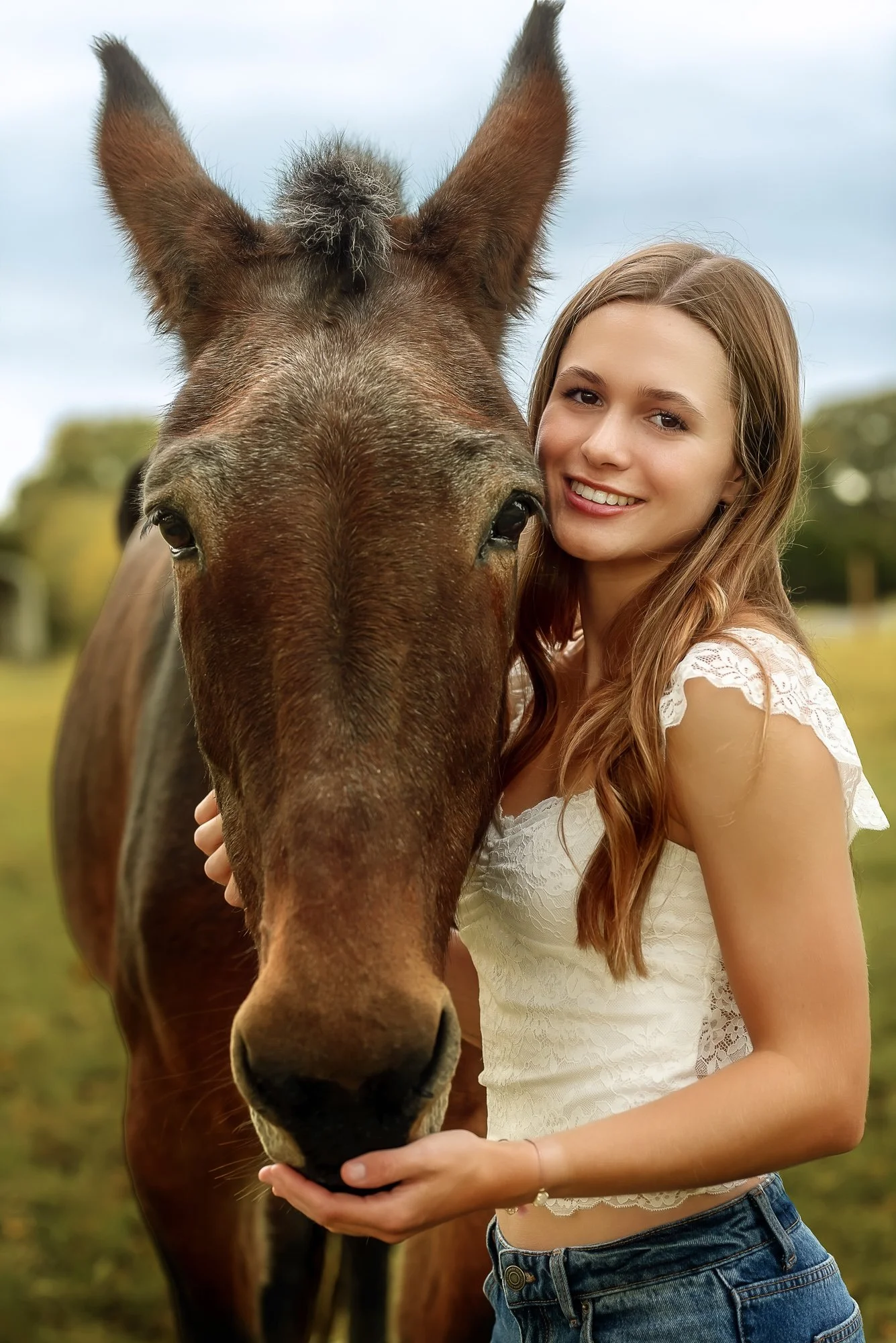
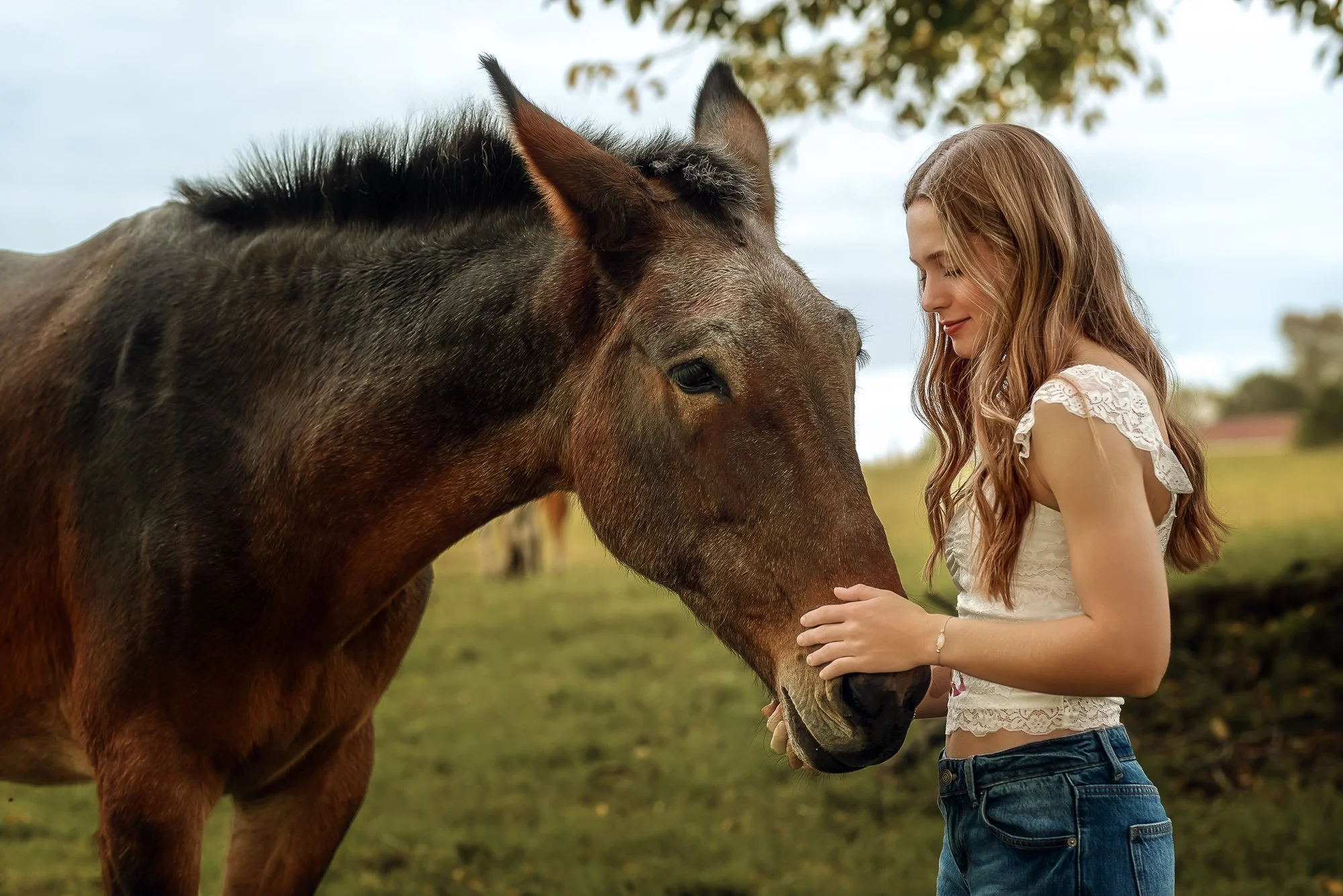
One thing I've noticed after photographing seniors for years is that the images people connect with most aren't always the ones they expected. Of course everyone wants a few great portraits where they feel confident and look their best. Those images matter.
But sometimes the photograph that ends up framed on the wall or tucked into an album isn't the perfectly posed portrait. It's the one where a dog is leaning into them. Or the horse they've spent years caring for. Or the cat that somehow managed to cooperate long enough for us to get a few pictures before deciding they were done.
When I look back at old photographs, what catches my attention usually isn't my outfit or whether my hair looked good that day. It's the details I didn't think were important at the time. The house we lived in. The car my parents drove. The dog that followed me everywhere.
Those little details have a way of bringing back memories that you didn't even realize you'd forgotten. That's one of the reasons I love including pets when it makes sense.
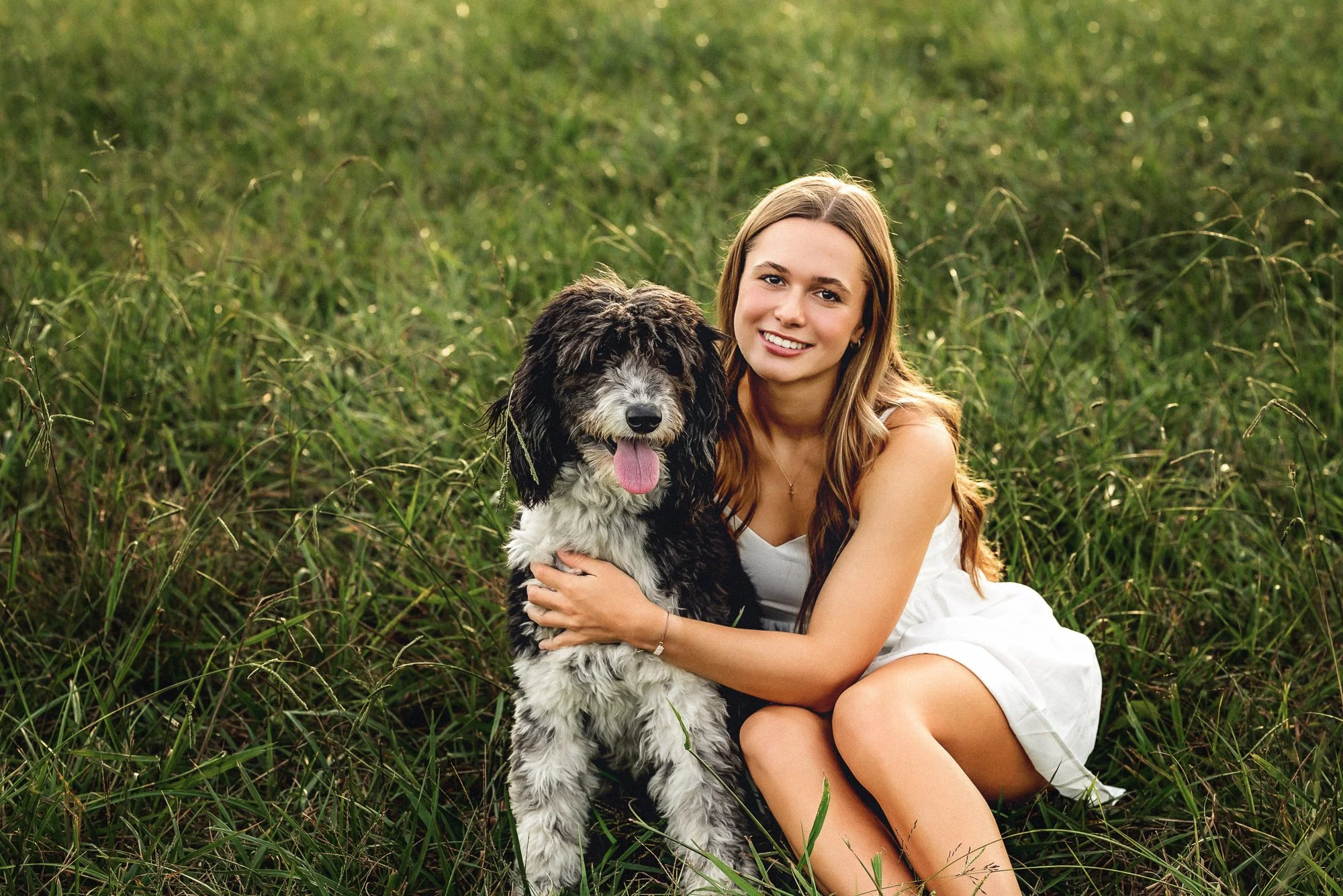
That said, I'm also a big believer in making the session work for the senior and the pet instead of trying to force everything into one day. Sometimes including a pet is easy. We spend a few minutes creating some images together and then move on with the rest of the session. Other times it makes more sense to approach it differently.
If we're planning a session with multiple locations, outfit changes, and a lot of moving around, adding a nervous dog or a cat into the mix can create more stress than anyone really needs. In those situations, I often recommend doing the pet portraits separately.
One of the advantages of having a studio space is that we have options. If a cat is happiest indoors, we can make that work. If a dog would be more comfortable in a quieter environment, we can make that work too. Sometimes it makes sense to start or end at the studio. Sometimes it makes sense to photograph them at home. Sometimes we build a completely separate mini session around them.
The goal isn't to check a box and say we included the pet. The goal is to create images that feel natural and enjoyable for everyone involved.
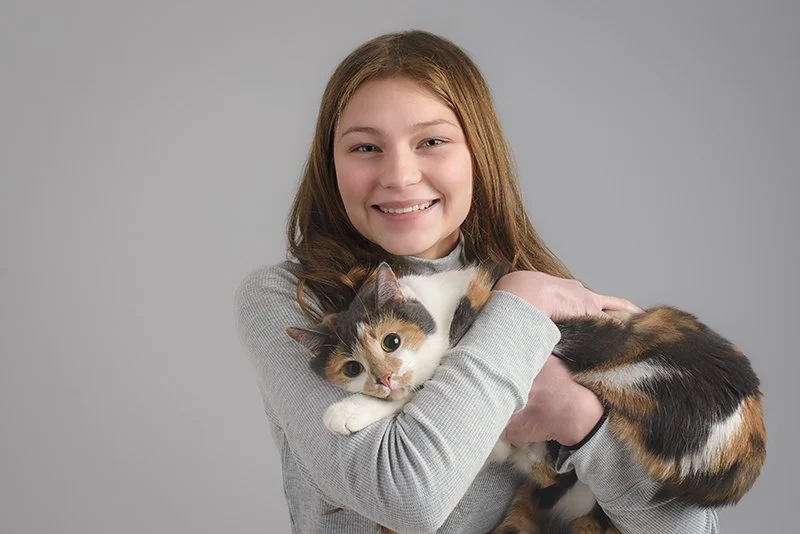
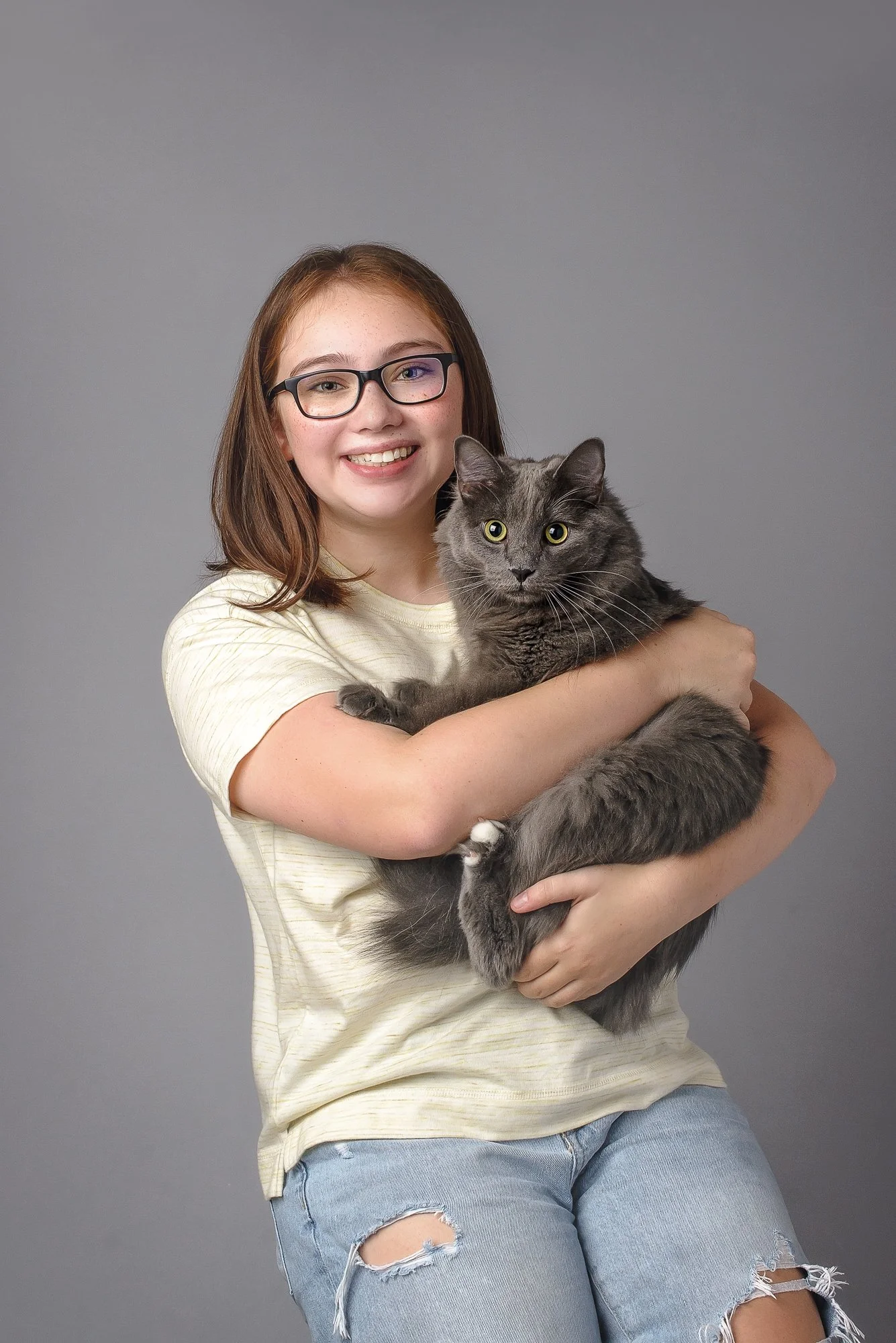
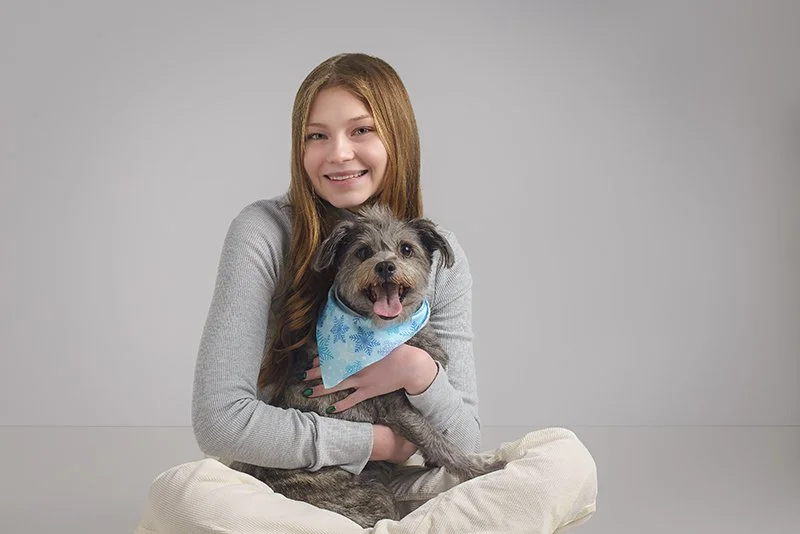
The other thing I've learned is that pets don't really care about our plans. They're not worried about getting the perfect photo.
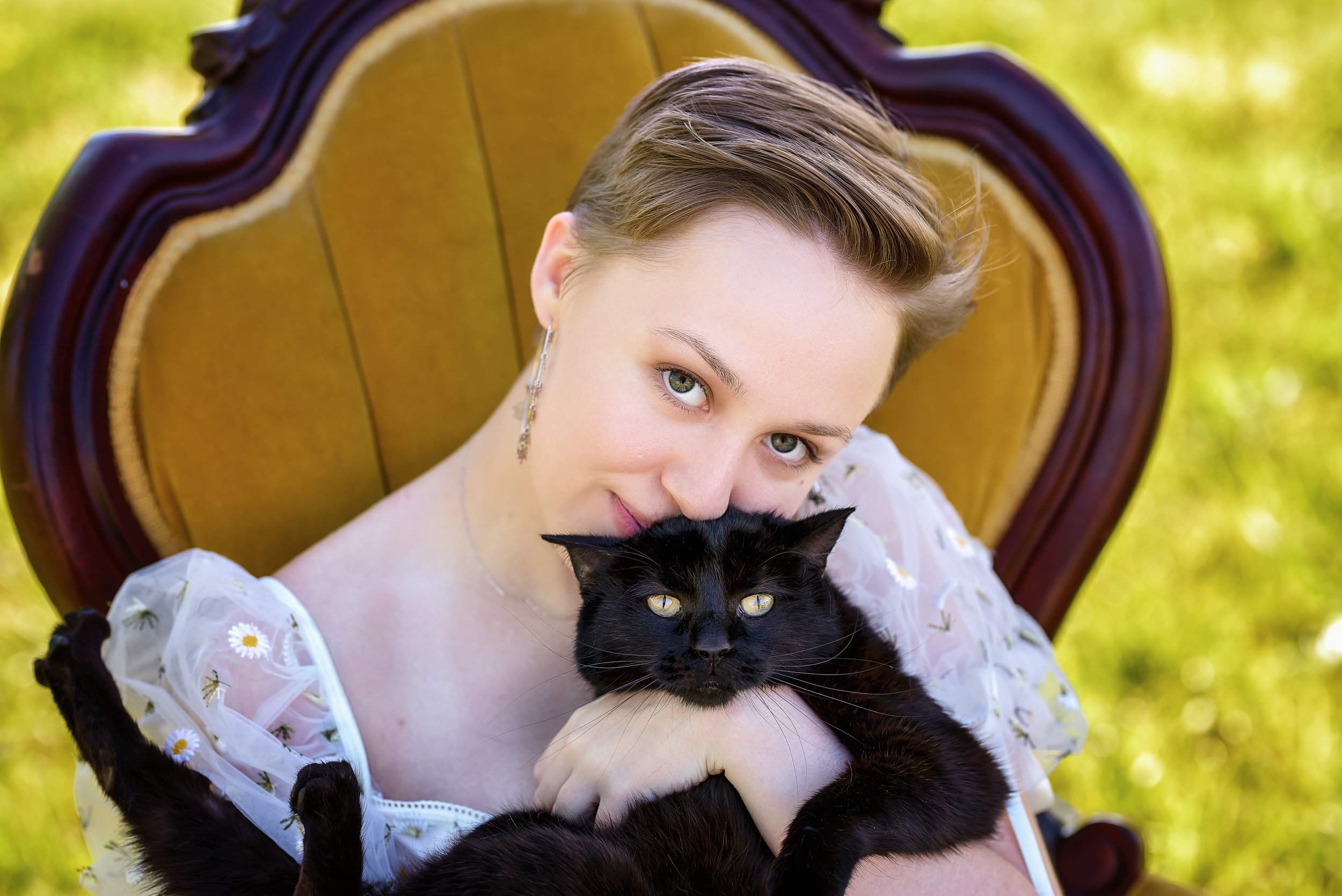
Honestly, that's part of what makes including them so fun. Some of my favorite images happen in the moments between poses when everyone relaxes and stops trying so hard. A dog getting excited to see their person. A horse nudging a shoulder. A cat deciding that sitting in someone's lap is far more interesting than whatever I had in mind.
Those moments can't really be forced, and I wouldn't want to. They're part of what makes the photographs feel real.
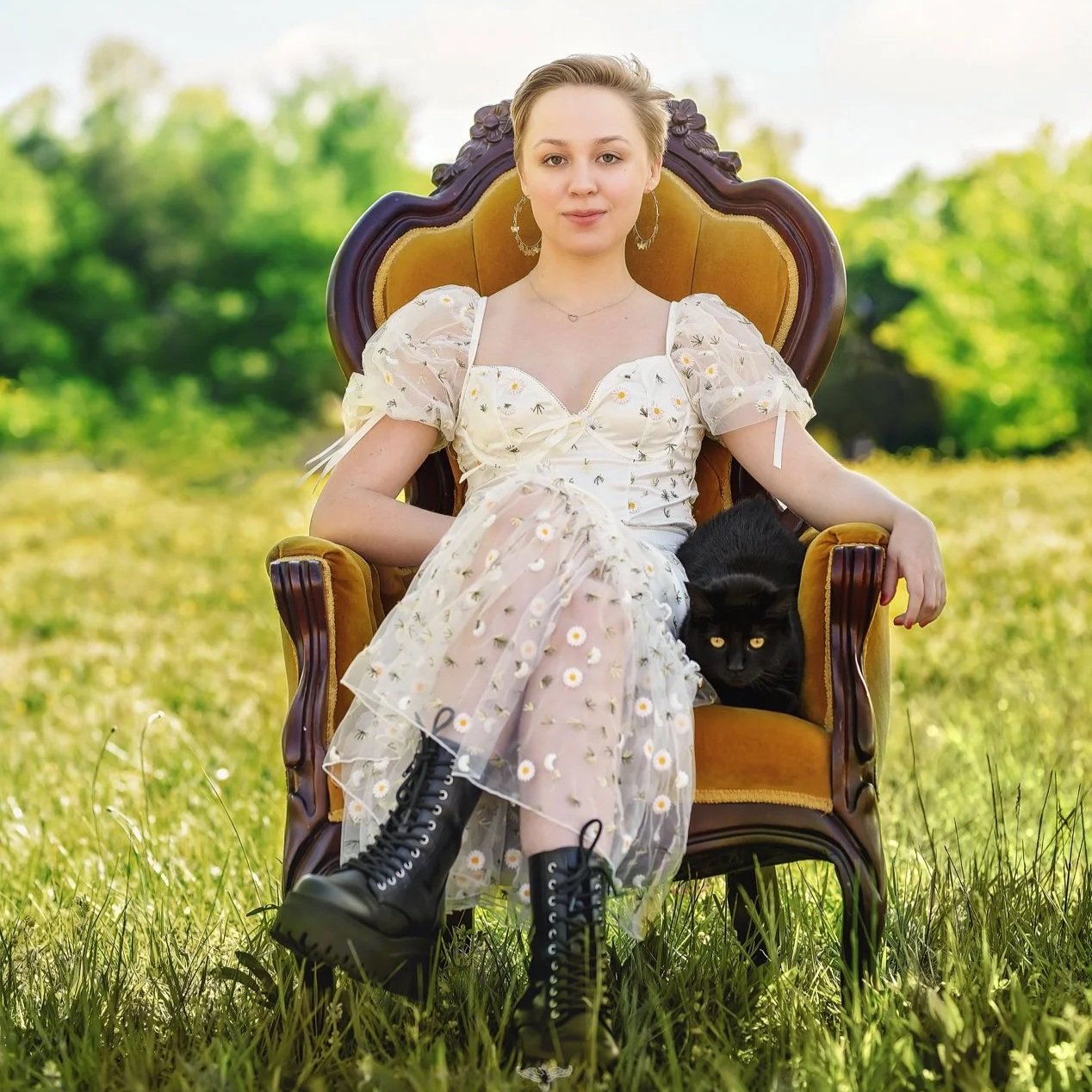
I don't think every senior needs to bring their pet to their session. But if they're an important part of your life, I do think it's worth considering.
Senior year is one of those seasons that feels long while you're in it and somehow very short once it's over. The things that feel ordinary now often become the things you miss later.
So if your dog, horse, cat, or other furry sidekick has been part of your story, let's talk about it. We'll figure out the best way to include them, whether that's during your senior session or in a separate set of portraits designed just for them.
Either way, I'm always happy to find a way to make it work!

What Parents Wish They Had Known Before Booking Senior Portraits
Planning senior pictures can feel overwhelming, especially if it's your first time. From outfits and posing to timing and products, here are the things parents tell me they wish they had known before booking their senior's portrait session.
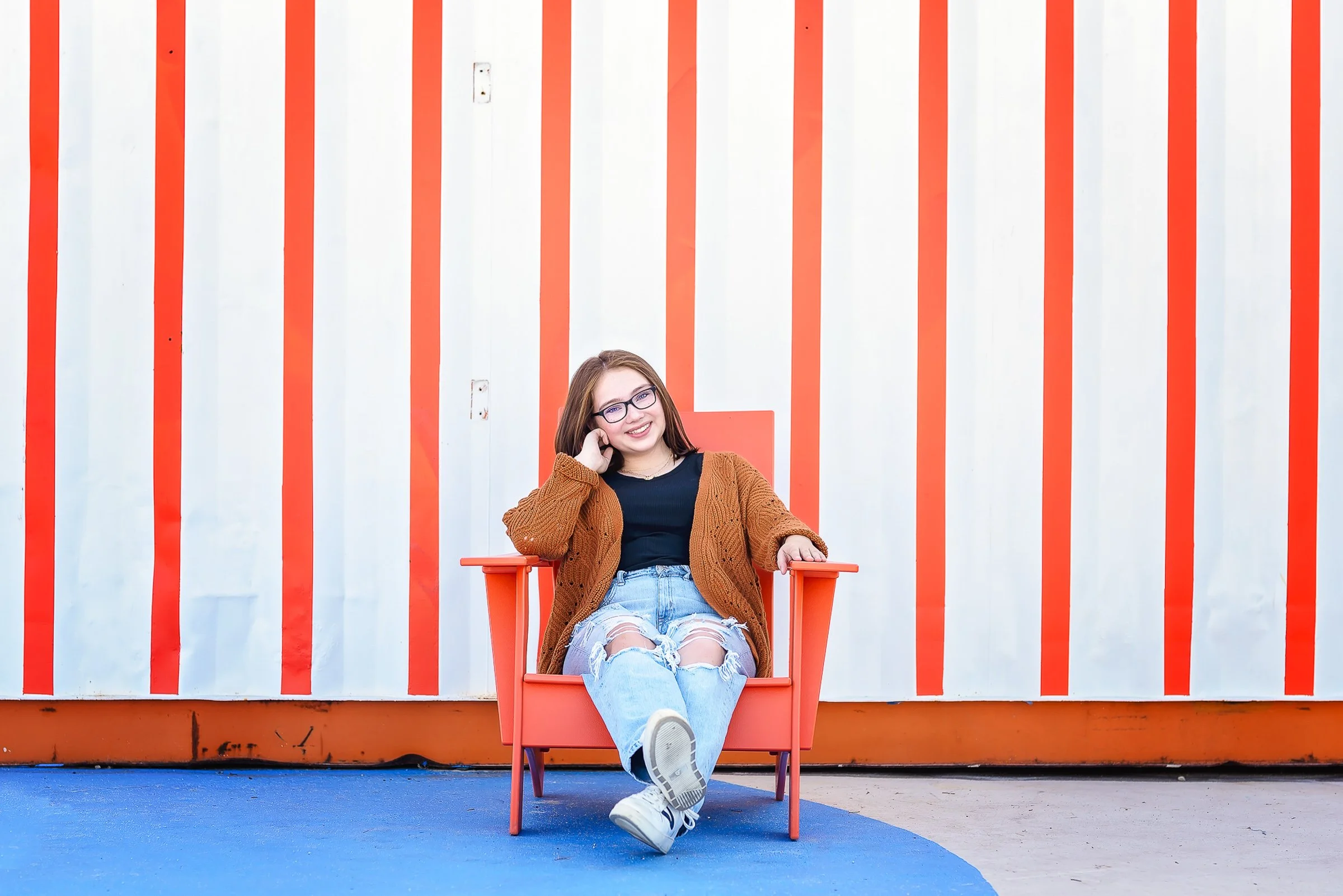
Every year, I have parents tell me the same things before a senior session. They're worried their teen won't know what to do in front of the camera. They're worried about outfits. They're worried the whole thing is going to feel awkward. And if I'm being honest, most seniors are worried about those exact same things.
Then the session happens. A few weeks later, nobody is talking about any of that anymore.
Instead, parents are telling me how much fun they had. They're surprised by how relaxed their senior looked in the photos. The seniors are picking completely different favorite images than anyone expected. And everyone is wondering why they were so nervous in the first place.
After 17 years of photographing high school seniors, there are a few things I find myself telling families over and over again. If you're getting ready to plan senior pictures for your own teen, these are the things I wish more parents knew before we ever started the process.
Everyone Is Nervous (And That's Completely Normal)
I don't think I've ever had a senior show up and confidently announce that they know exactly how to pose.
Most seniors are nervous. They're worried they'll look awkward, they won't know what to do with their hands, or they'll feel uncomfortable being the center of attention. The good news is that none of that is unusual.
One of the reasons I meet with families before every session, even if it's just online, is because I want to start building trust long before I ever pick up a camera. We talk through locations, outfits, goals for the session, and any concerns they might have. By the time session day arrives, they've already had a chance to get to know me, ask questions, and understand what to expect.
When the session begins, I don't expect seniors to magically know what to do. In fact, the first few minutes are often just about helping them settle in, relax, and get comfortable. I'm paying attention to how they move, how they respond to direction, and what helps them feel confident.
And I talk. Constantly.
My seniors hear my voice throughout the session because I never want them to feel like they're standing alone waiting for instructions. I'm guiding them through every step, giving feedback, encouraging them, and helping them understand exactly what's working. The goal is to take the pressure off so they can stop overthinking and simply be present in the moment.
By the end of the session, most seniors are surprised by how natural it feels. They realize they didn't have to know how to pose or perform. They just had to trust the process.
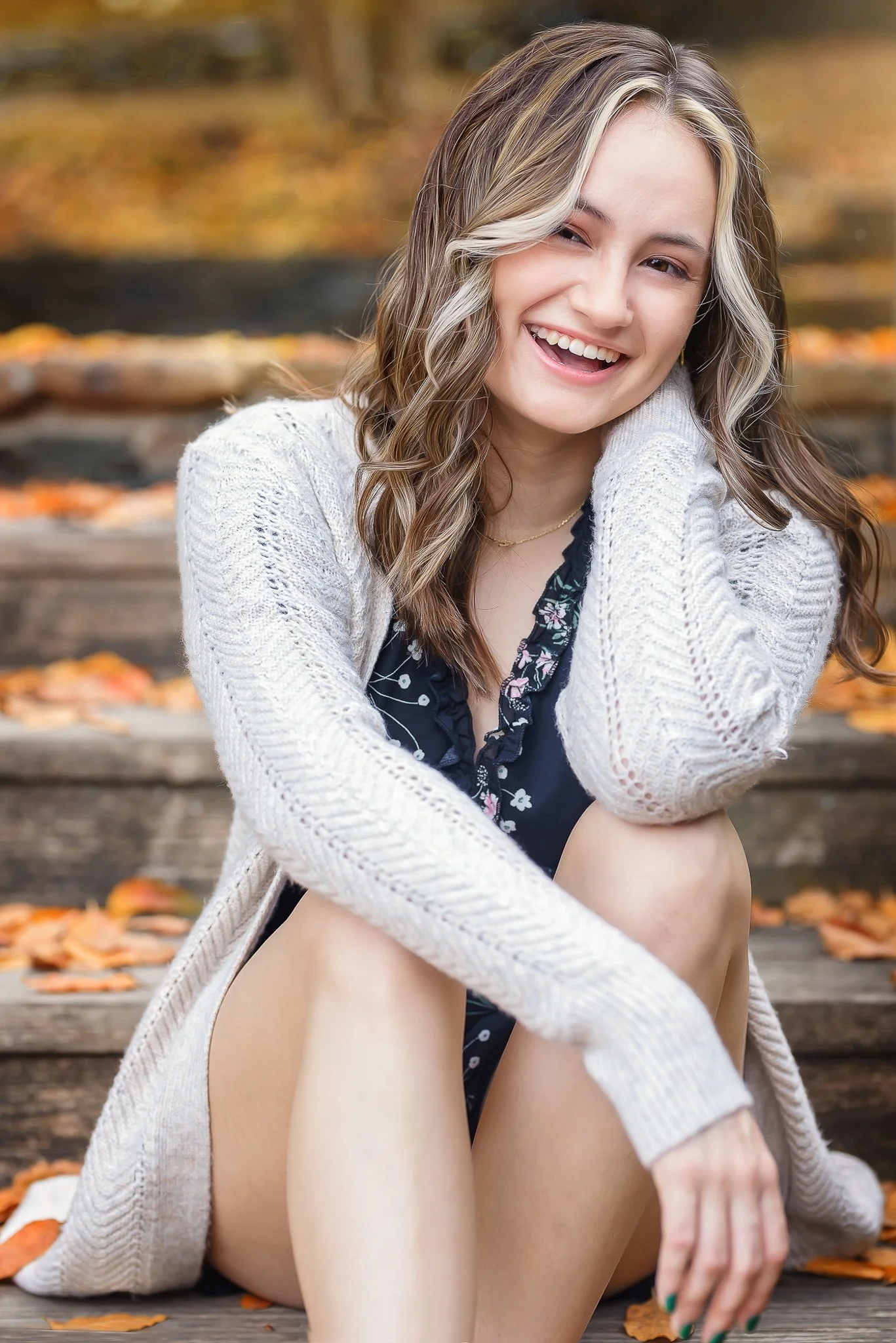
You Can Buy if You Want but You Don't Need a Brand-New Wardrobe
This is probably another one of the biggest misconceptions I hear about senior pictures.
A lot of families assume they need to go spend hundreds of dollars on brand-new outfits before a session. If your senior wants to do that, great. Some of them love shopping and putting together new looks. But it's absolutely not required.
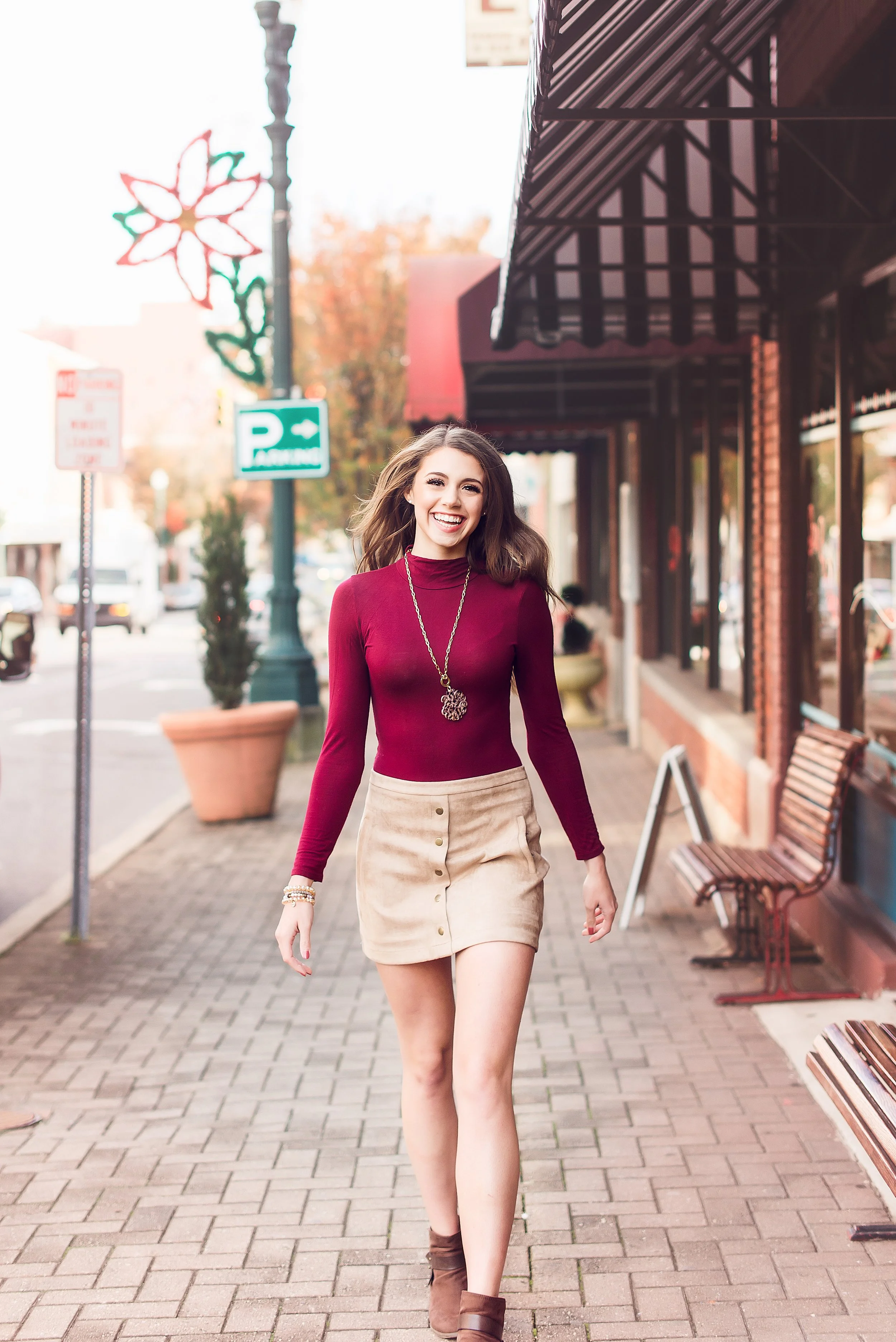
Some of my favorite outfits have come straight from a senior's closet. During the planning process, we'll go through ideas together, talk about what photographs well, and figure out what feels most like them. Sometimes that means adding a few new pieces. Sometimes it means rediscovering things they already own and love but haven't thought about wearing in a while.
And if they do want something new, it doesn't have to be expensive. I've had seniors show up in outfits from Amazon, Shein, local boutiques, department stores, and everywhere in between. The price tag matters a lot less than people think.
What matters is that they feel comfortable and confident in what they're wearing.
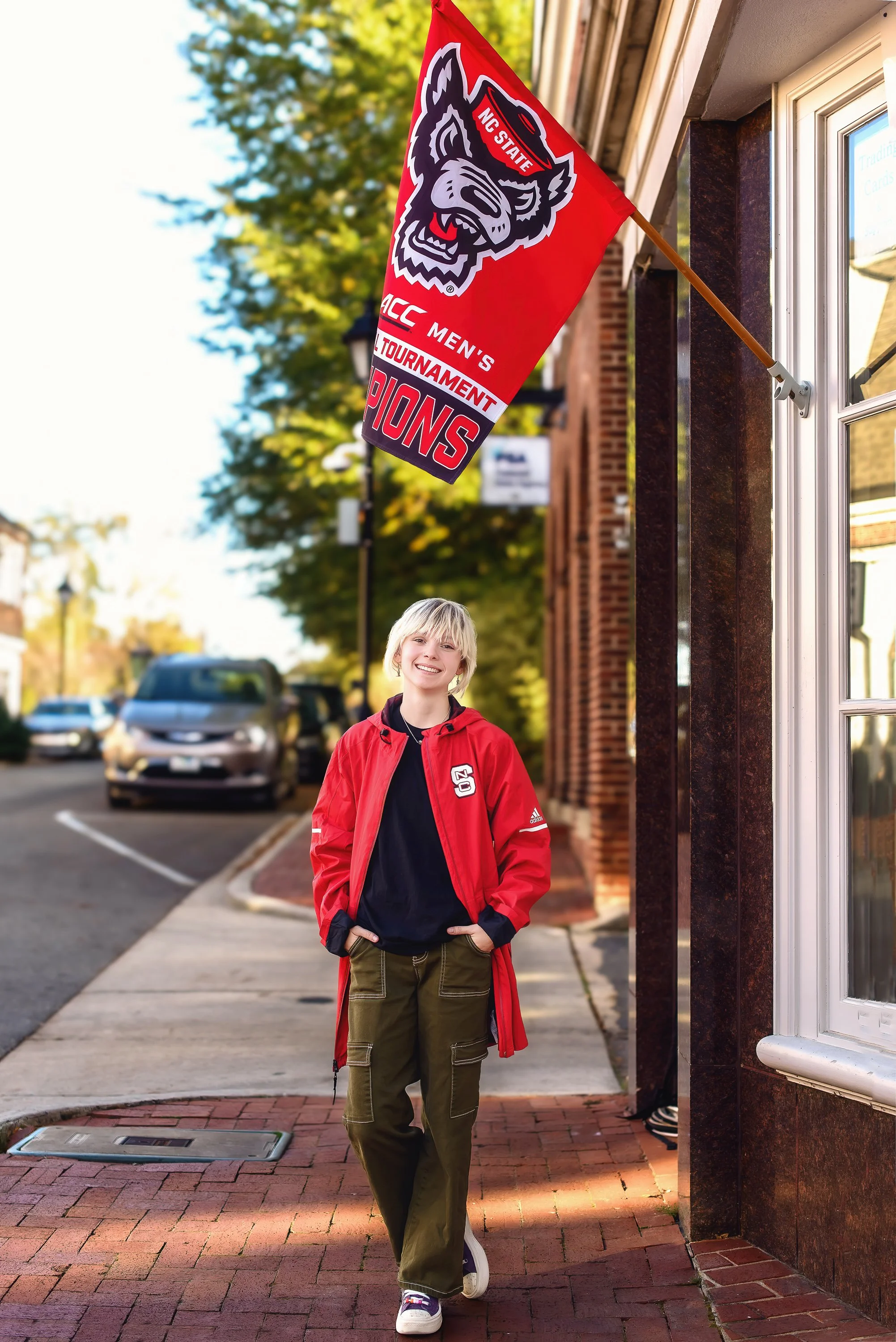
I also love incorporating things that tell a little more of their story. A favorite jacket, a letter jacket, sports equipment, an instrument, meaningful jewelry, books, flowers, or even a college shirt can add personality and make the session feel more like them. Those little details are often the things that make the images feel personal years later.
The goal isn't to create a wardrobe that looks like someone else's Pinterest board. The goal is to create a session that feels authentic to your senior.
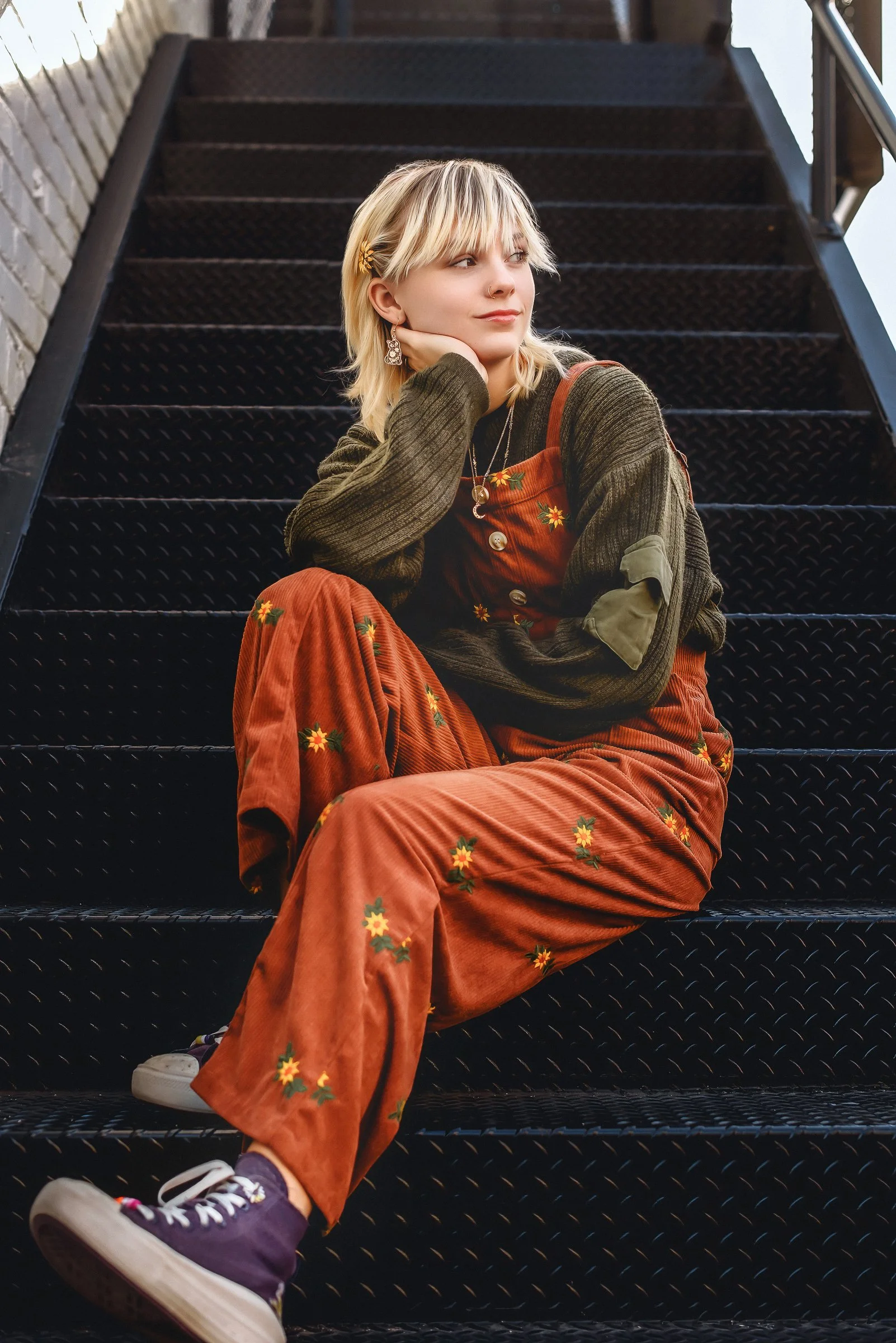
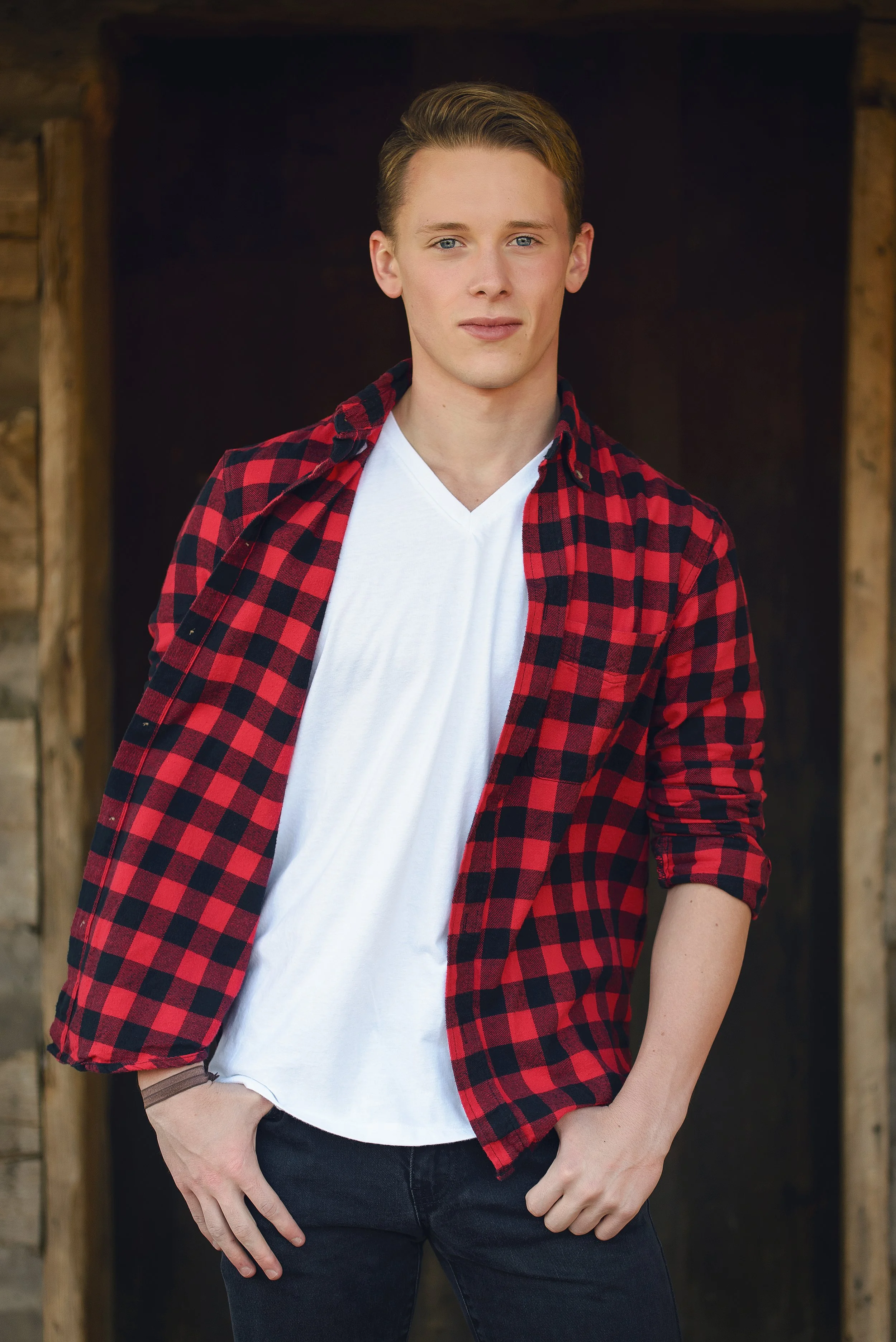
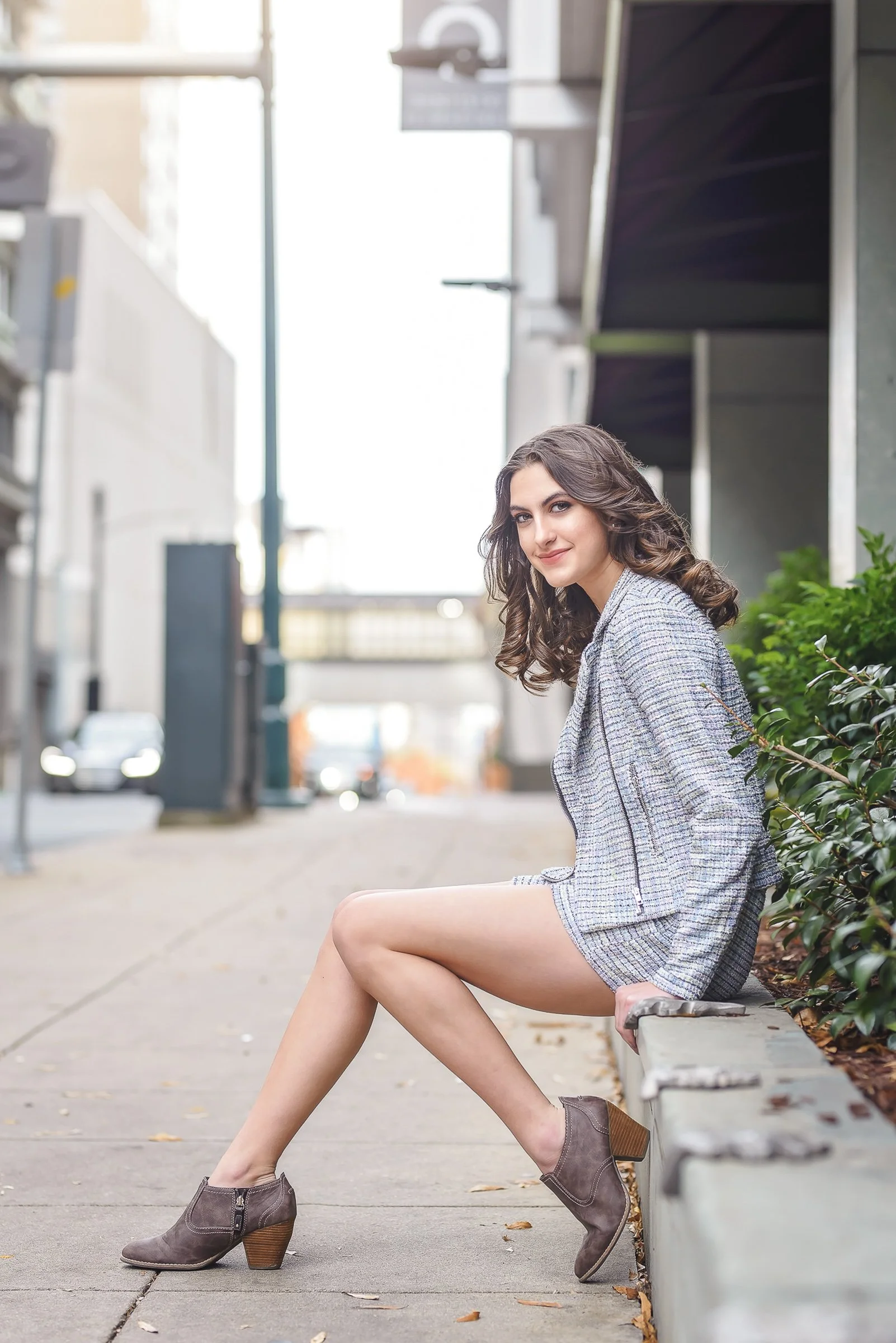
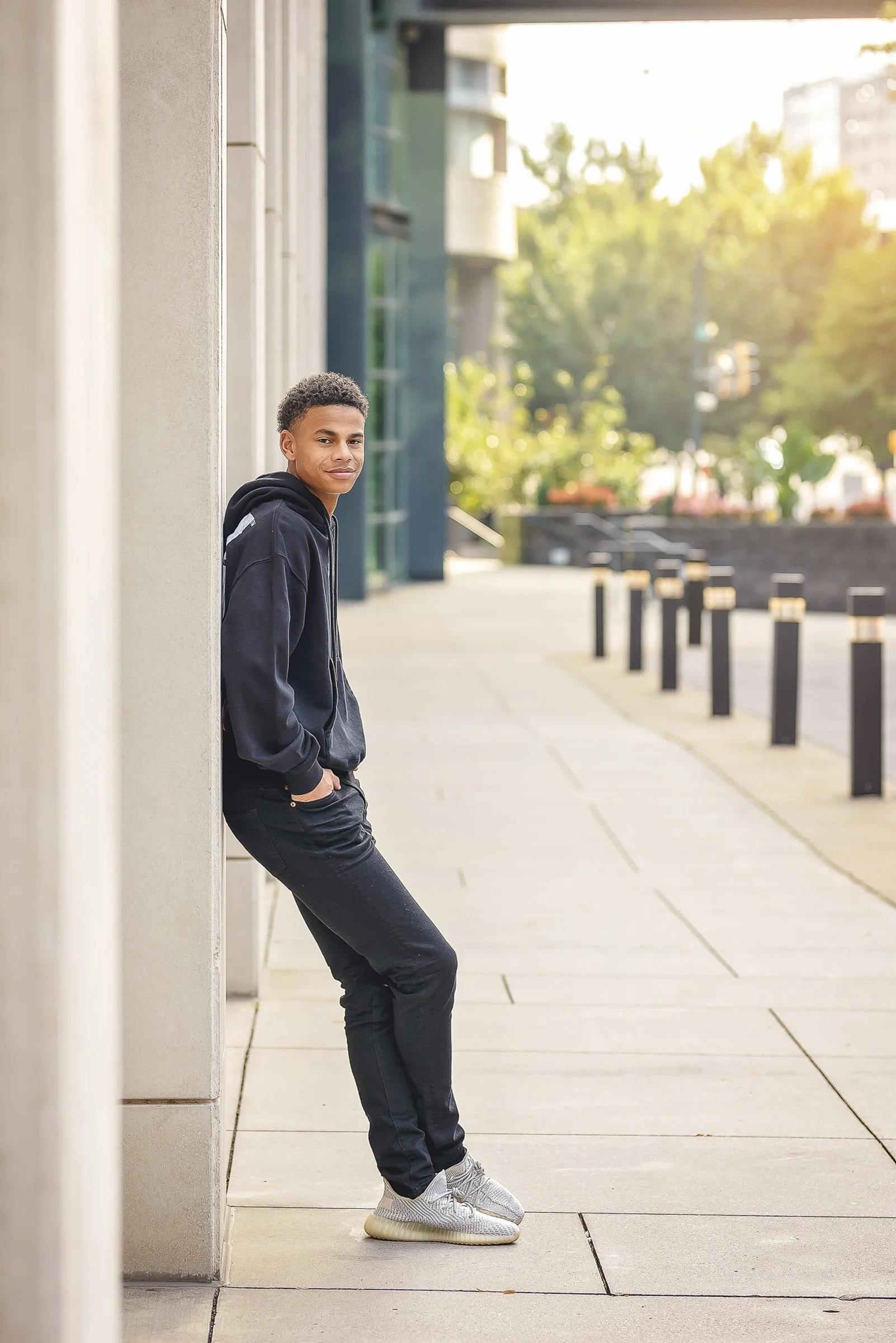
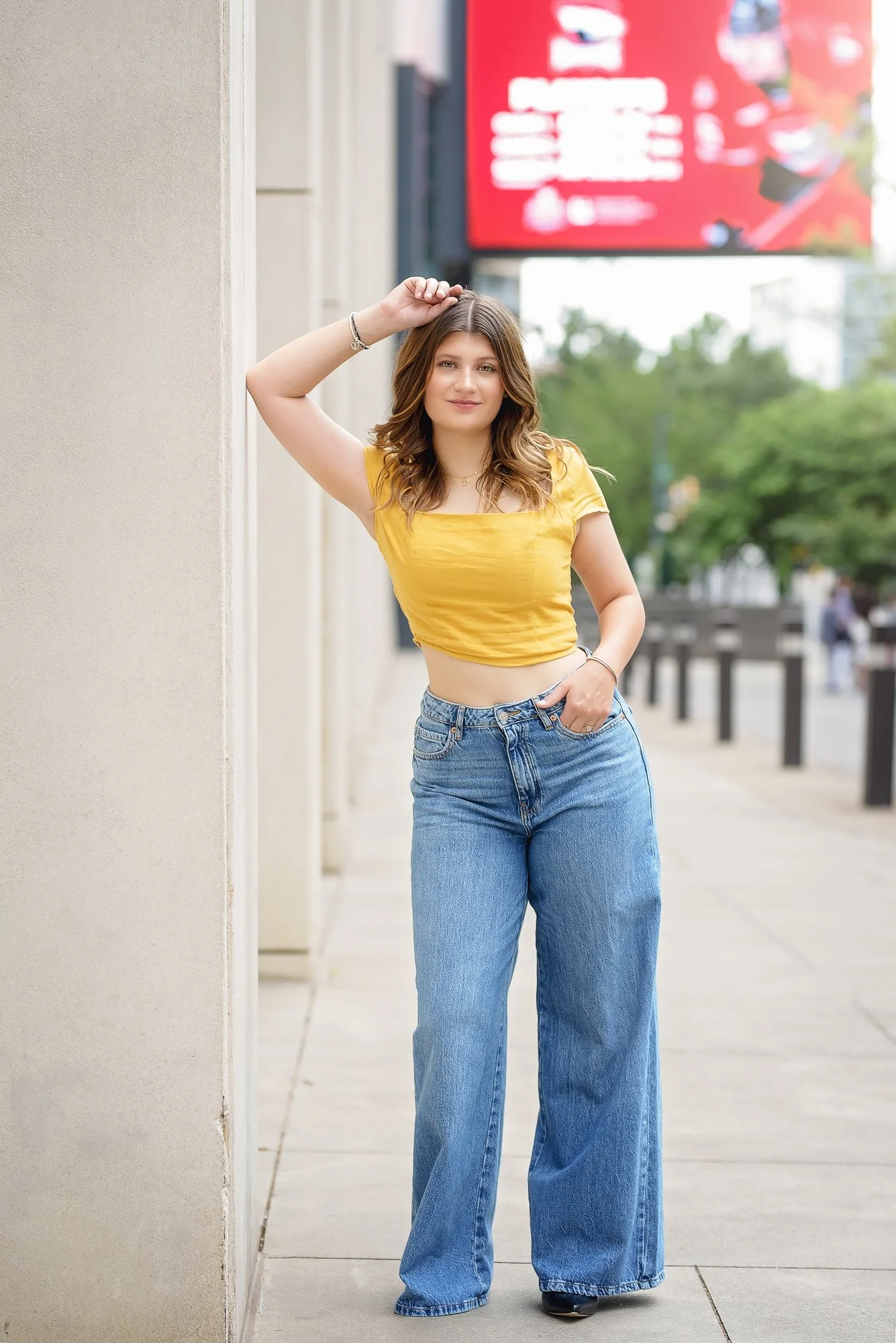
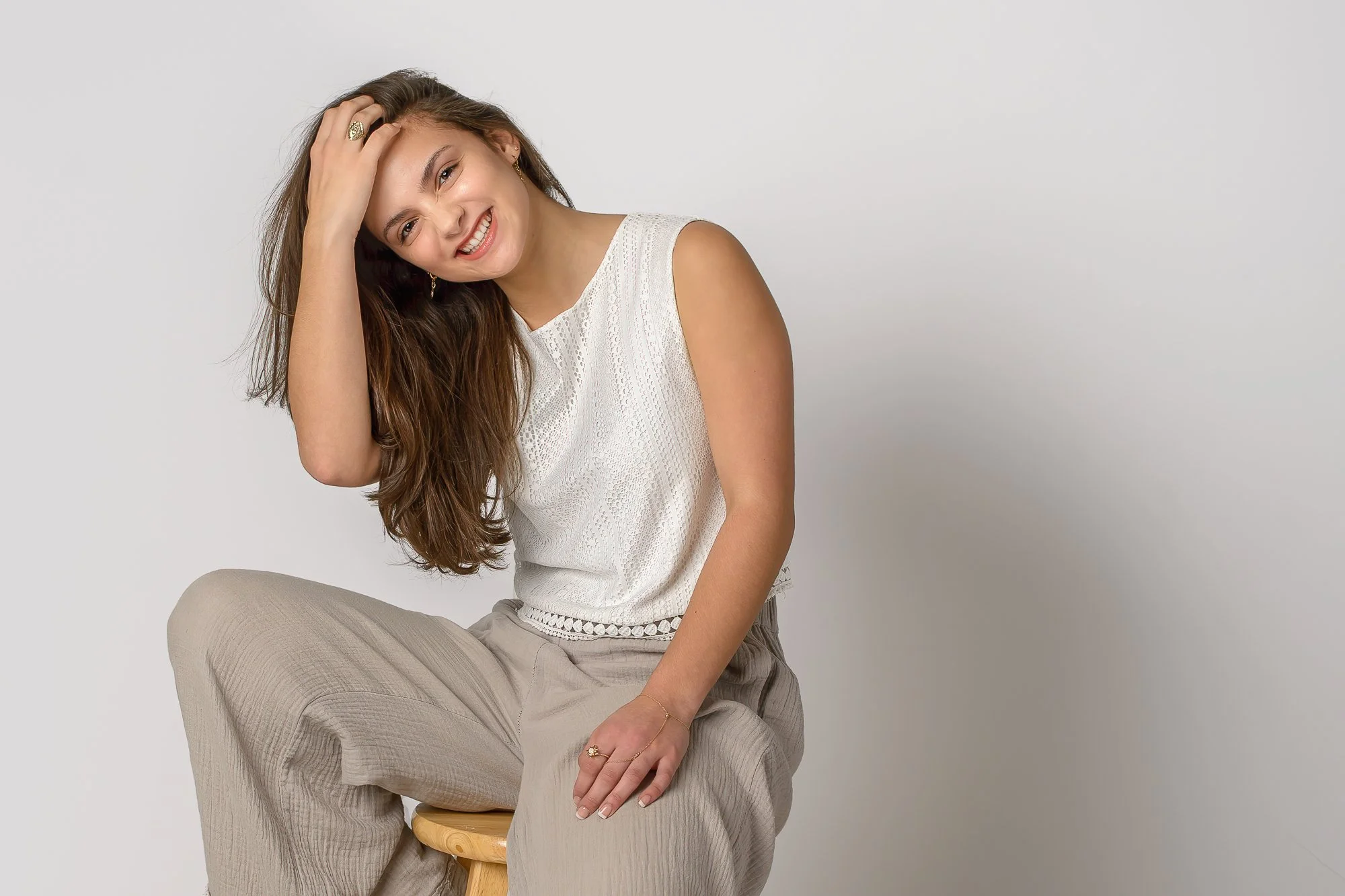
My personal opinion is that whatever makes you feel fabulous is going to photograph well.
The Images Parents Love Are Often Different From The Images Seniors Love
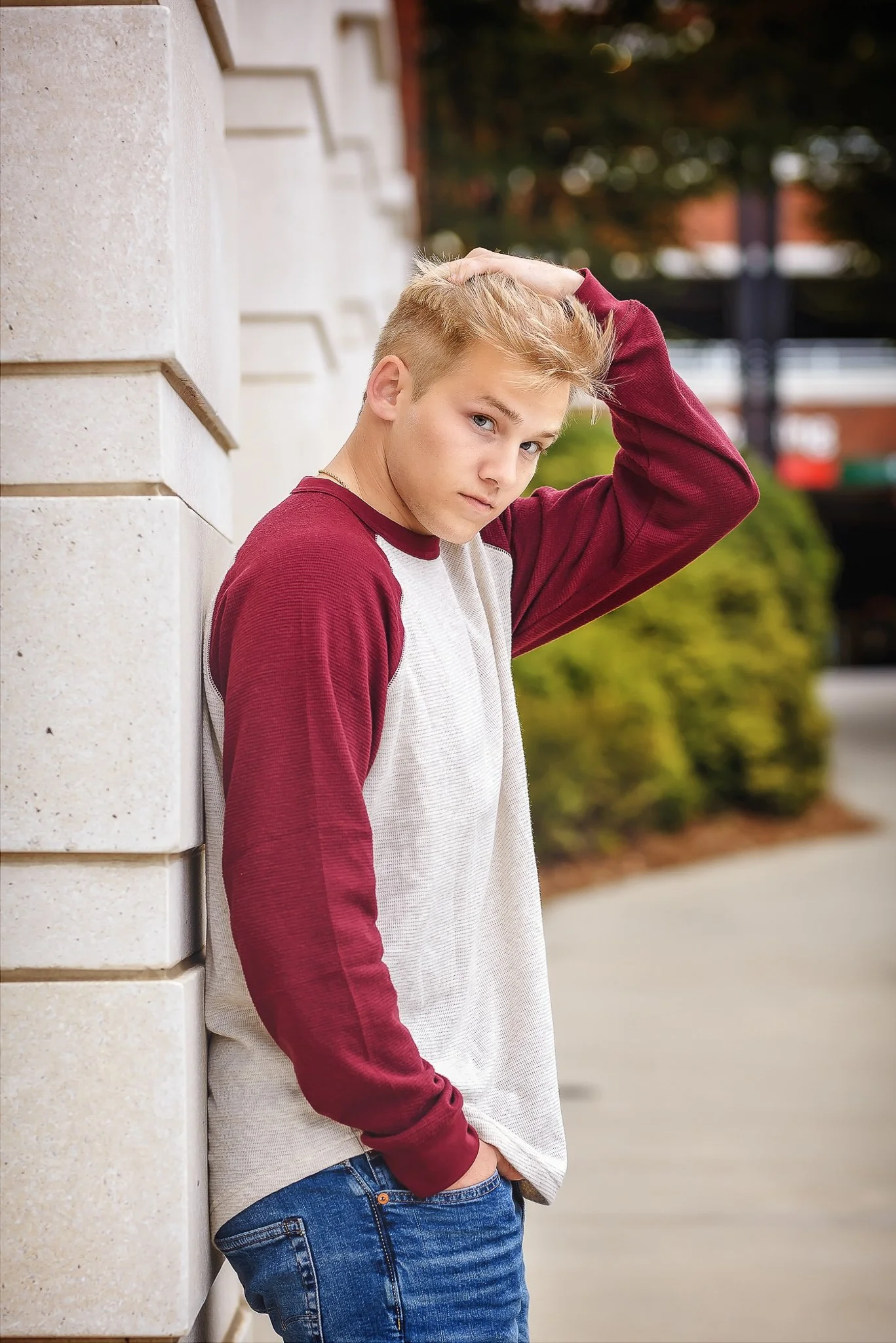
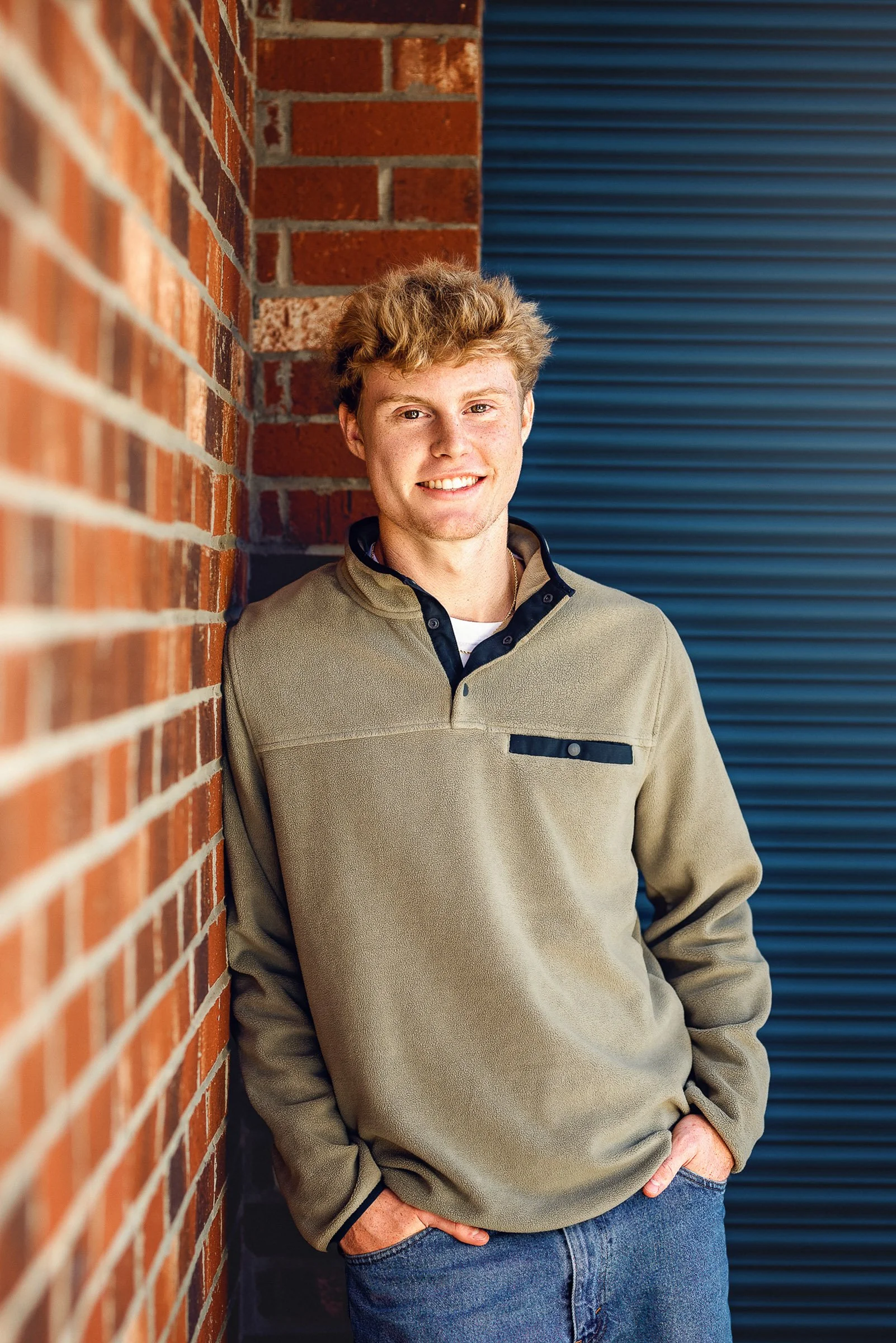
One of my favorite parts of delivering a senior gallery is seeing which images everyone picks as their favorites. Parents and seniors almost never choose exactly the same ones.
Parents are often drawn to the classic portraits. The images where their senior is looking at the camera, smiling naturally, and looks exactly like the person they've watched grow up over the last eighteen years. Those photographs matter because they capture a familiar version of their child at a moment when life is about to change.
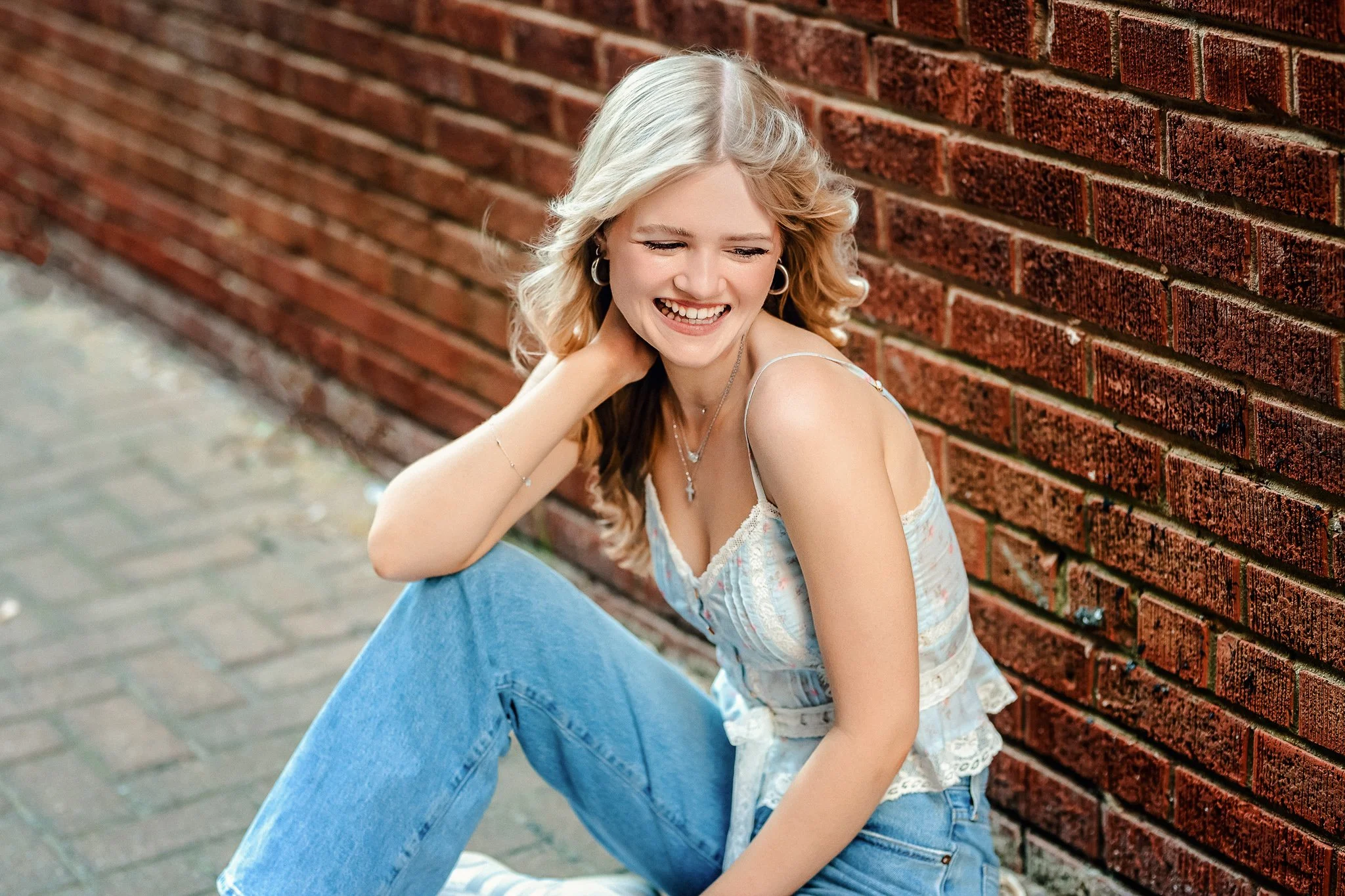
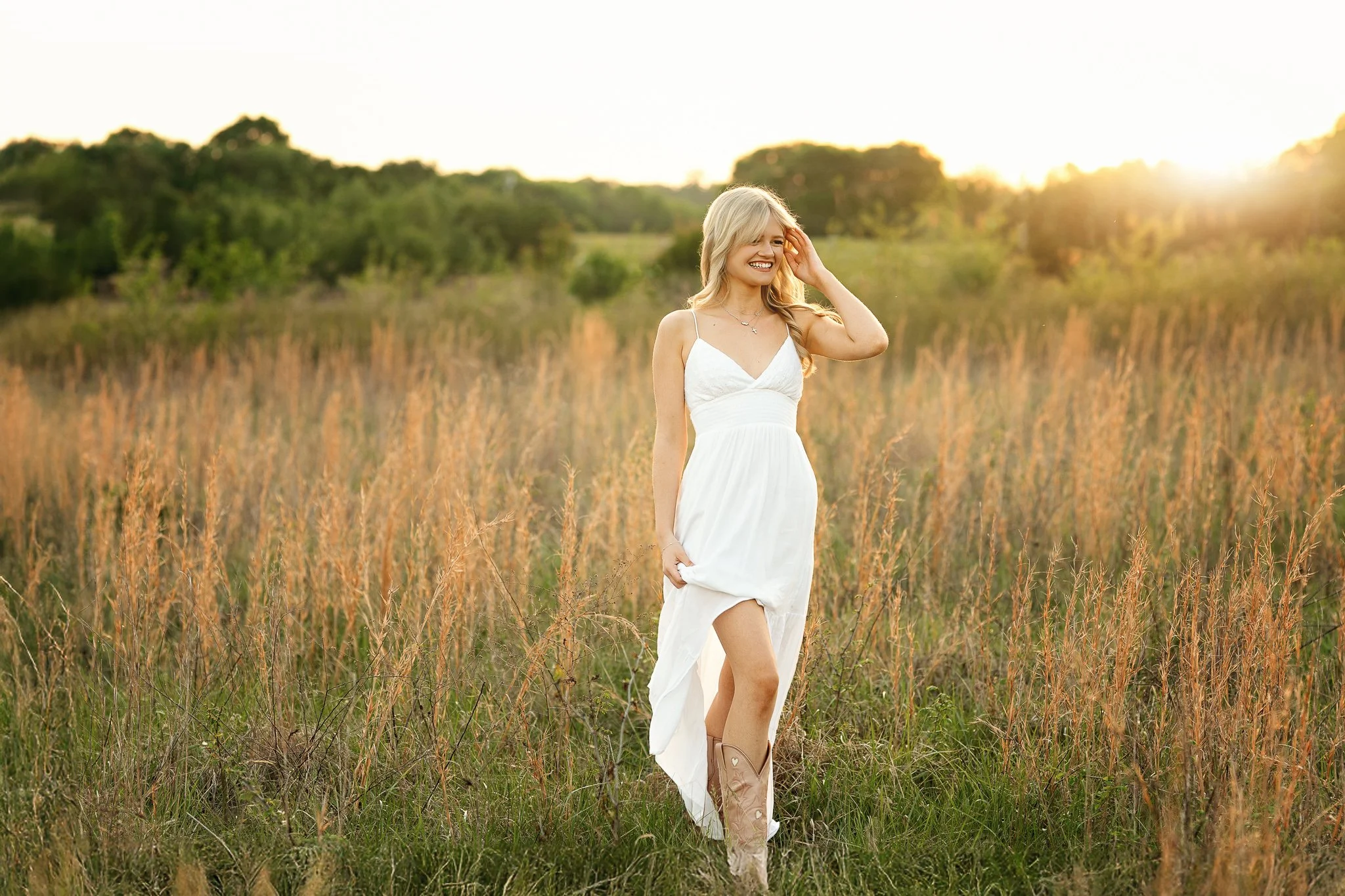
The seniors are predictable in their own way. They're often drawn to the images with movement. The ones where they're walking, laughing, looking away from the camera, or caught in a quiet moment. Sometimes it's the image where the wind is blowing their hair. Sometimes it's the profile shot. Sometimes it's the photograph where you barely see their face at all.
Those images feel different. They feel less like a portrait and more like a memory. I've found that seniors are often looking for photographs they can see themselves living inside.
Parents are often looking for photographs that preserve a moment in time. Neither approach is right or wrong, they're just looking at the images through different lenses.
That's one of the reasons I photograph sessions with so much variety. We create the timeless portraits that parents and grandparents will love, but we also create the more emotional, expressive images that often become the senior's favorites.
In the end, the goal isn't choosing one style over the other. It's creating a gallery where everyone sees something that feels meaningful to them.
Summer Is Less Stressful Than Spring
Every year I photograph seniors who wait until spring for their portraits. And honestly, it usually works out just fine.
But what I also see every year is how quickly senior year fills up. Between sports, extracurricular activities, college applications, scholarships, jobs, prom, graduation events, and everything else life throws at families, the calendar gets crowded fast.
Students who schedule their portraits during the summer before senior year often have a much more relaxed experience. We have more flexibility when it comes to dates, locations, outfit planning, and rescheduling if the weather doesn't cooperate. More importantly, they aren't trying to squeeze one more thing into an already packed season of life.
By spring, most families are focused on finishing strong, celebrating milestones, and preparing for what's next. Portraits can absolutely happen then, but there's usually a lot more pressure surrounding the process. And don’t get me started on the deadlines for slideshows and announcements and banners and more and more and more!
Senior year moves fast. Much faster than most parents expect. It feels like move-in day is years away, and then suddenly you're ordering graduation announcements and shopping for dorm supplies.
If there's one thing I've learned over the years, it's that very few parents regret planning ahead. Most wish they had realized just how quickly that final year was going to pass. Pass the tissues already!
Digital Images Matter. So Do The Prints.
Don't get me wrong. I completely understand why seniors want digital images. That's how they share their lives. It's how they communicate with friends, post on social media, and keep their favorite photos close. Most parents want the digital files too, and I would too if I were in their shoes.
But after doing this for nearly two decades, I've noticed something interesting.
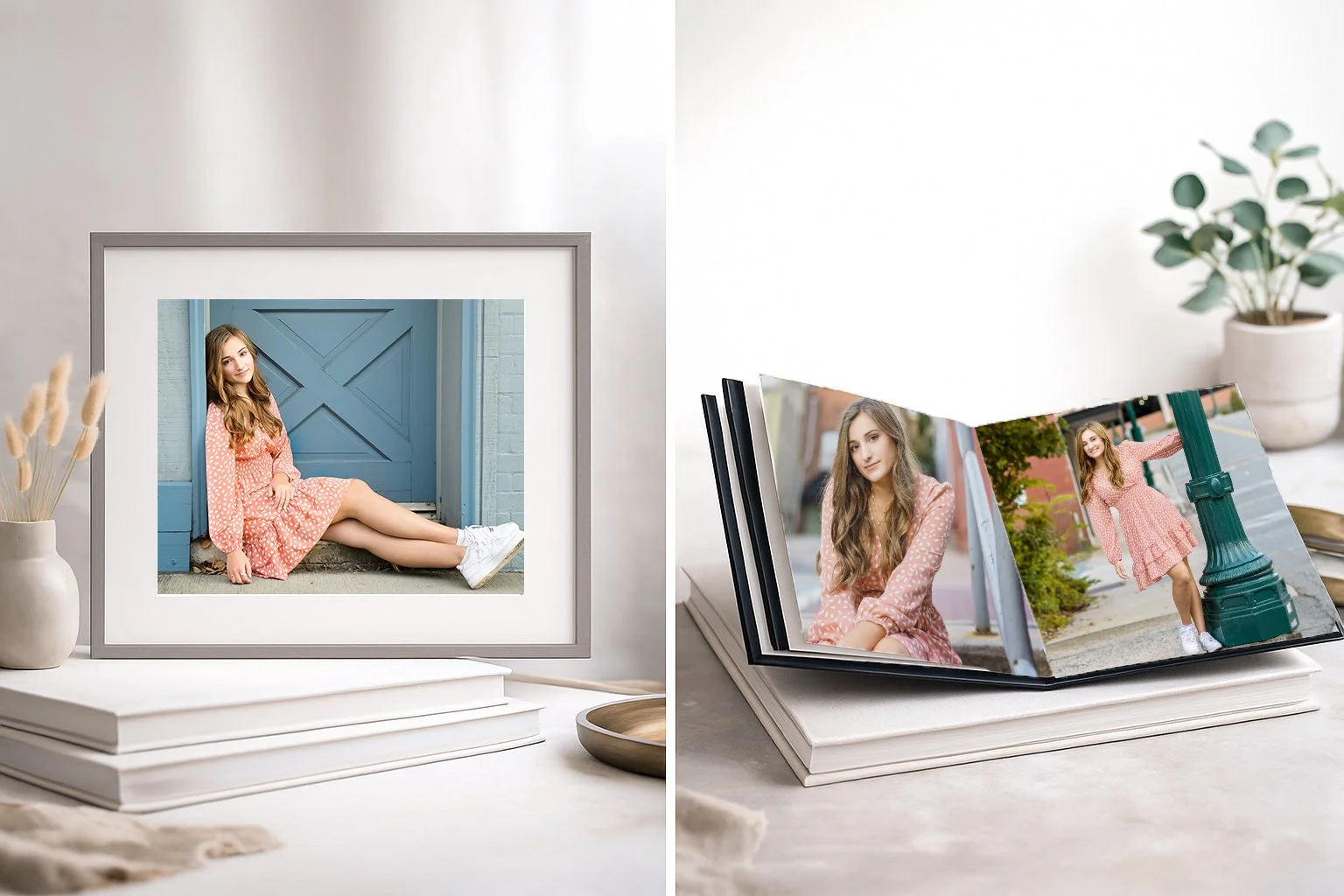
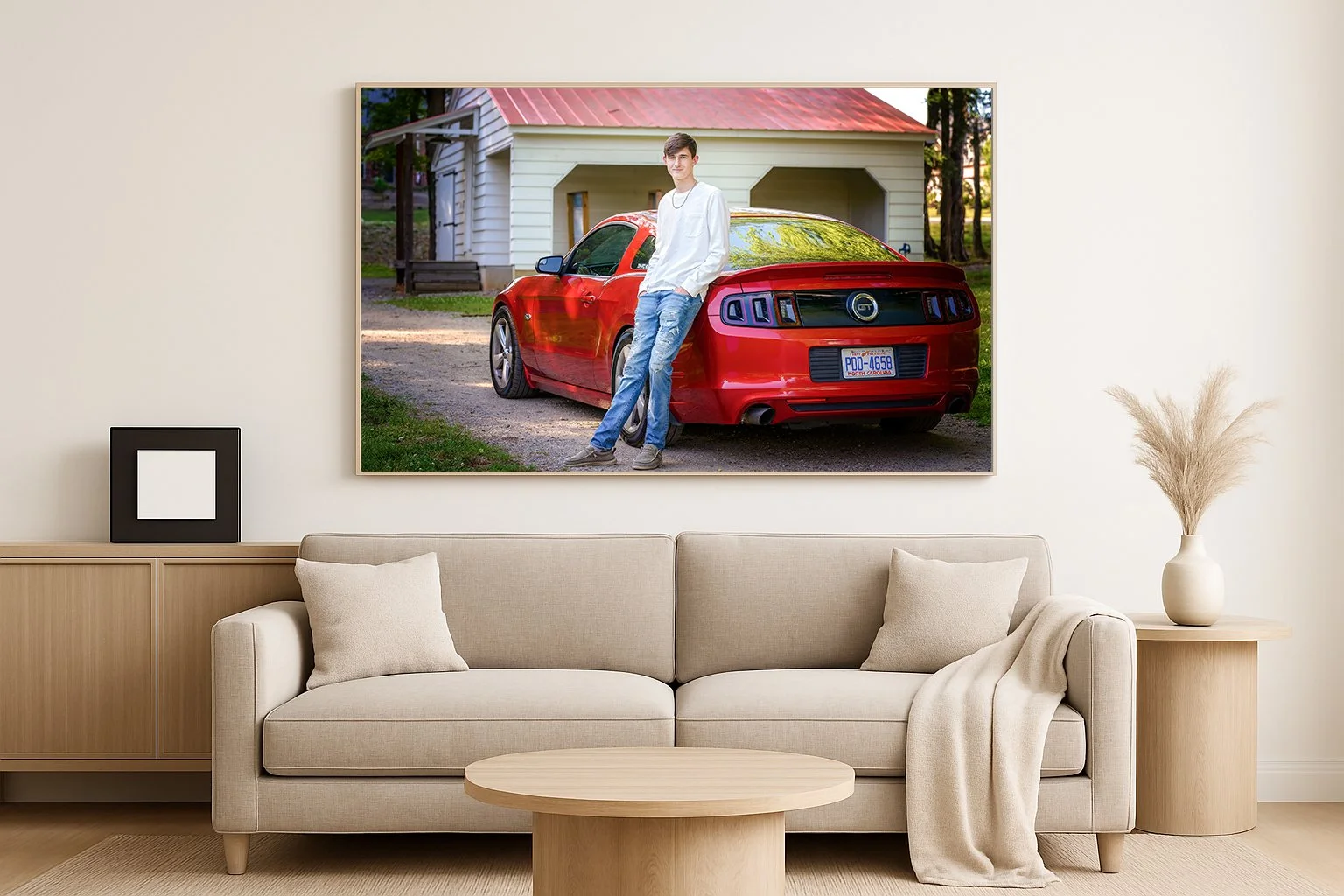
The photographs families enjoy the most over the years usually aren't the ones sitting on a hard drive somewhere. They're the ones that become part of everyday life. They're the portrait you walk past every morning on your way to the kitchen. They're the album sitting on the coffee table that people pick up when they stop by. They're the images that stay visible long after graduation is over and college move-in day has come and gone.
I think that's especially true once seniors leave home. The excitement of graduation eventually fades, but parents still miss having their kids around every day. There's something comforting about seeing those images regularly instead of only scrolling past them on a phone once in a while.
When families invest the time and energy into creating senior portraits, I want them to enjoy those photographs beyond a screen.
And while albums are often purchased for parents, I always remind them that they're really the caretakers of those memories for a while. Right now, it's Mom's album. Someday, it becomes their senior's album.
Years from now, it may be the album they pull out to show their own children what they looked like before college, before careers, before all the things that come next.
The photographs themselves matter. But preserving them in a way that can be held, shared, and passed down matters too.
Final Thoughts
At the end of the day, senior portraits aren't really about perfect outfits, perfect poses, or finding the perfect location.
Those things matter, and they can absolutely help create beautiful images, but they're not what families remember most.
What they remember is the experience. They remember how nervous they were beforehand and how quickly that feeling disappeared. They remember laughing together, watching their senior step into a little more confidence, and seeing images that suddenly make it obvious just how much has changed over the last few years. Senior year is one of those seasons that feels long while you're living it and incredibly short once it's over.
My goal is simply to help families slow down for a moment, celebrate who their senior is right now, and create photographs they'll still love long after graduation has come and gone.
And if you're feeling nervous about any part of the process, trust me - you wouldn't be the first. That's exactly why we plan it together.

Why I Photograph Senior Portraits the Way I Do
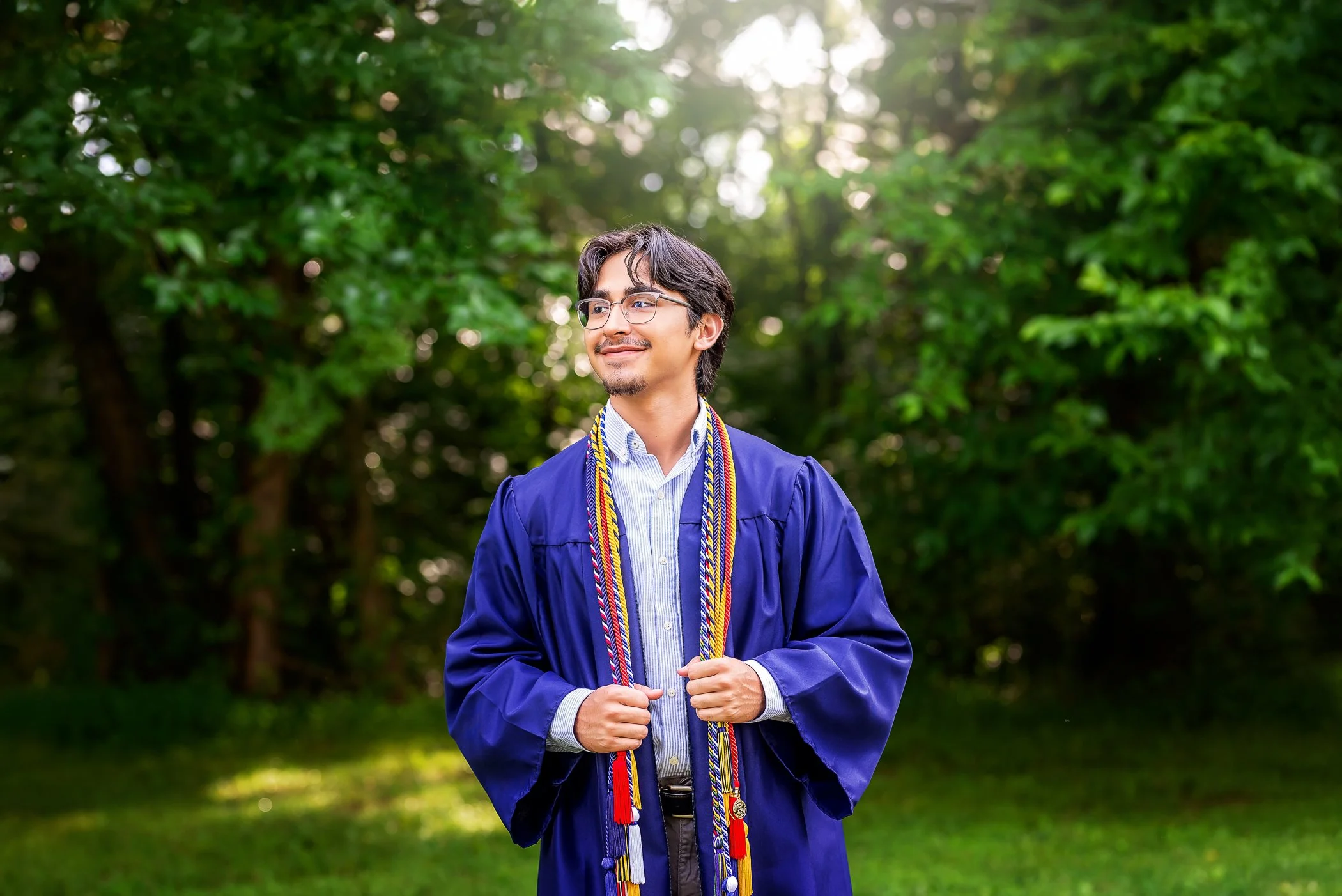
Senior year exists in a strange in-between space — caught between childhood and adulthood, confidence and uncertainty. In this post, I’m sharing why I photograph seniors the way I do, and why I care more about presence, emotion, and authenticity than perfect poses or trends.
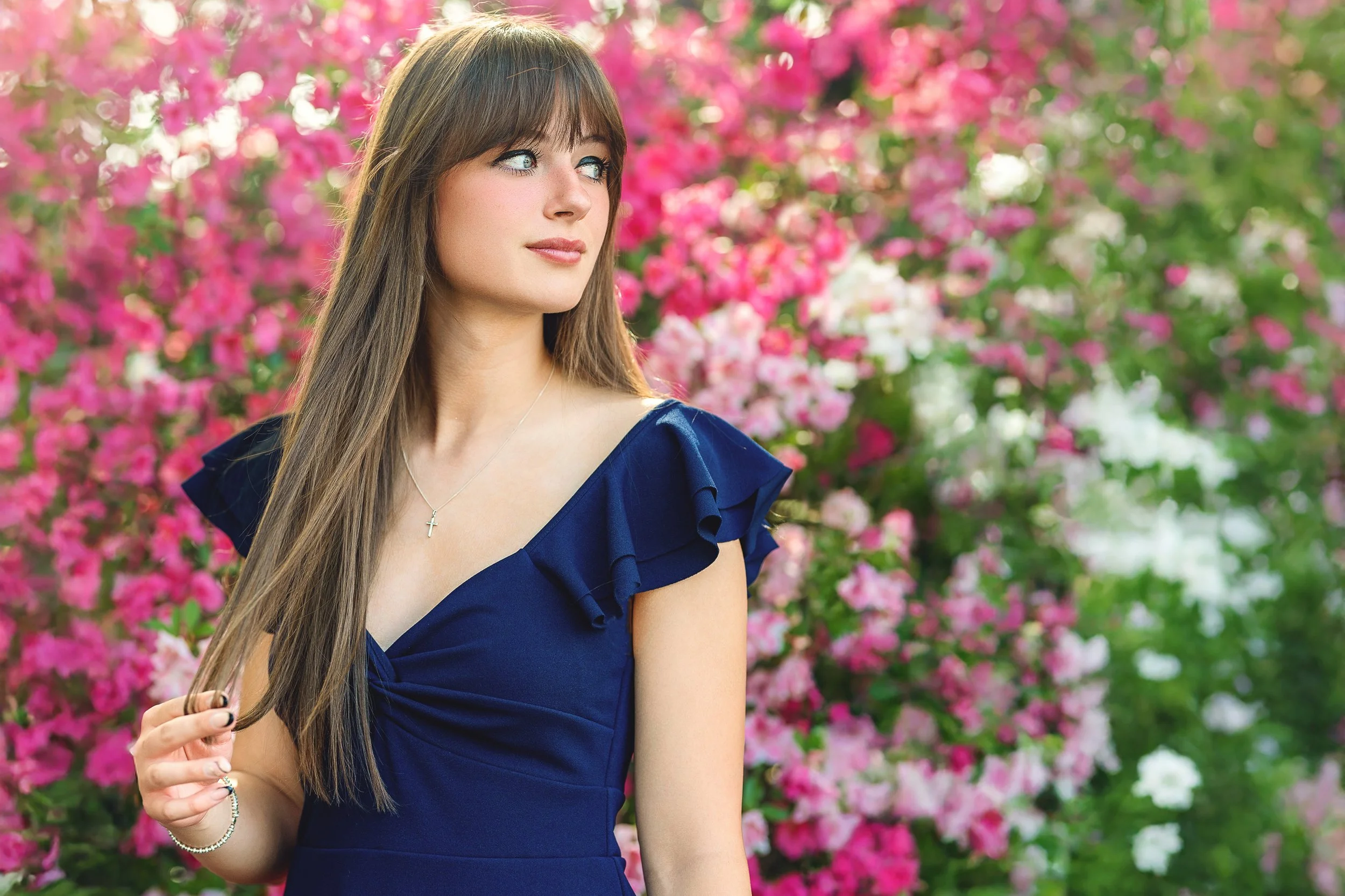
Senior year sits in a strange space. It’s the edge of something. Not quite childhood anymore, but not fully settled adulthood either. There’s confidence and uncertainty living side by side. Independence mixed with nostalgia. Excitement layered over the fear of change.
This singular momentary part of your life experience is part of what I’m trying to preserve when I photograph seniors.
It’s More Than Just Pretty Pictures
Senior photography can easily become about trends, poses, or creating images that look good for a moment online. But the photos that last usually aren’t the trendiest ones. They’re the images that still feel recognizable years later. I’m less interested in creating “perfect” photos than I am in creating images that feel honest.
I want my seniors to look confident without looking fake. I want movement without chaos. Emotion without forced performances. Strength without losing softness. Personality without turning someone into a character.
At the end of the day, I don’t just want someone to think they looked nice in their senior photos. I want the images to feel like them and everything they’re experiencing through this part of their universal journey that is uniquely theirs.
Photographing Presence, Not Performance
Some seniors walk into a session completely comfortable in front of the camera. Others feel awkward for the first thirty minutes. Most people are somewhere in the middle. That’s totally normal!
It’s not their job to know how to pose or perform. Unless you’re a paid model somewhere you’ve never done this before. It’s my job to pay attention. To guide when needed. To recognize when a moment feels genuine instead of overworked.
I’m not looking for perfectly rehearsed expressions or overly curated moments. I’m looking for presence. The quiet moments in between directions. The way someone naturally carries themselves. The small shifts in expression that suddenly make an image feel real.
I don’t photograph seniors as characters. I photograph them as people standing in the middle of becoming who they are.
Why Light Matters So Much to Me and to You
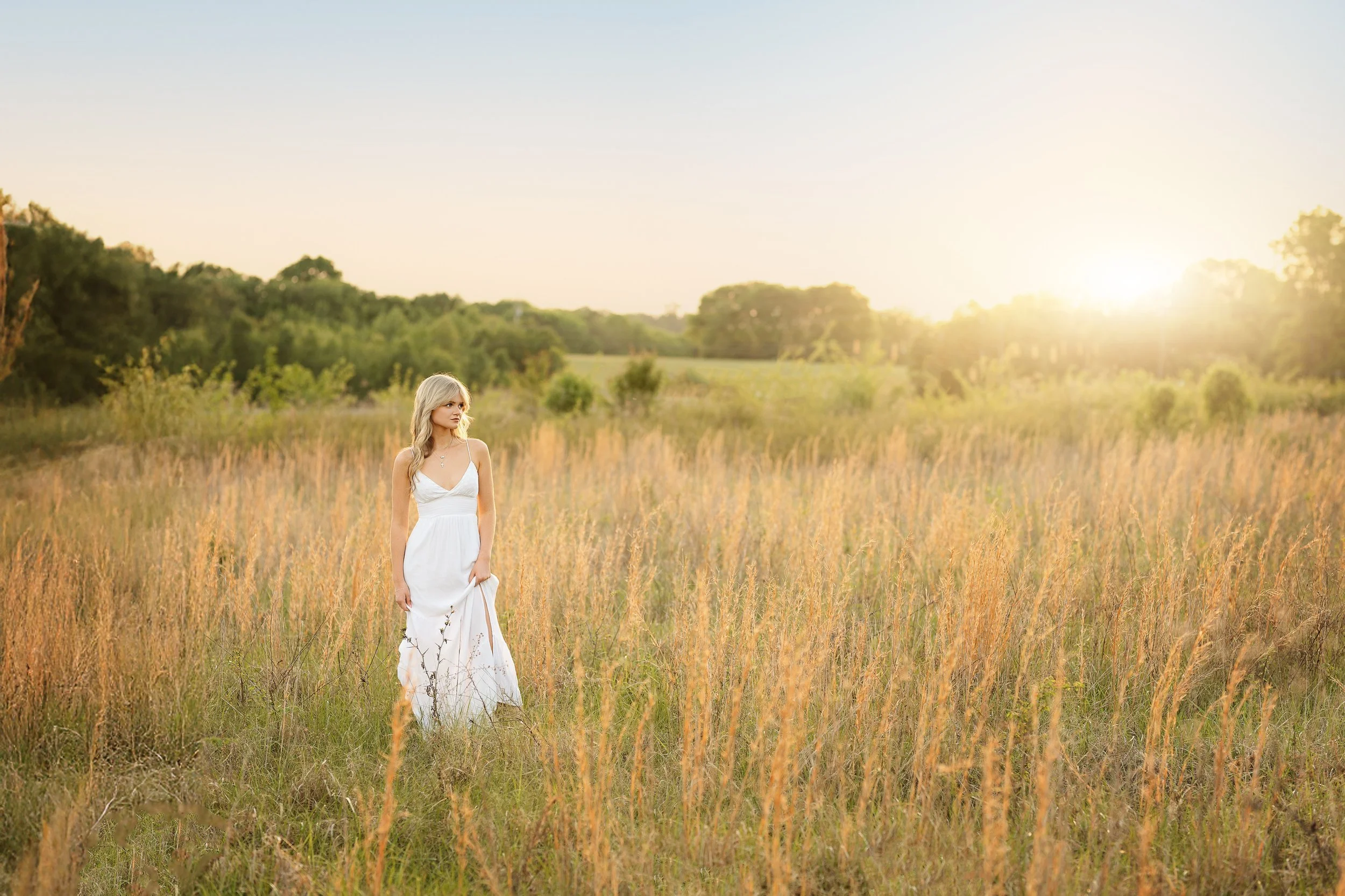
The way light falls across someone’s face changes the emotional weight of an image. That’s why lighting matters so much in my work.
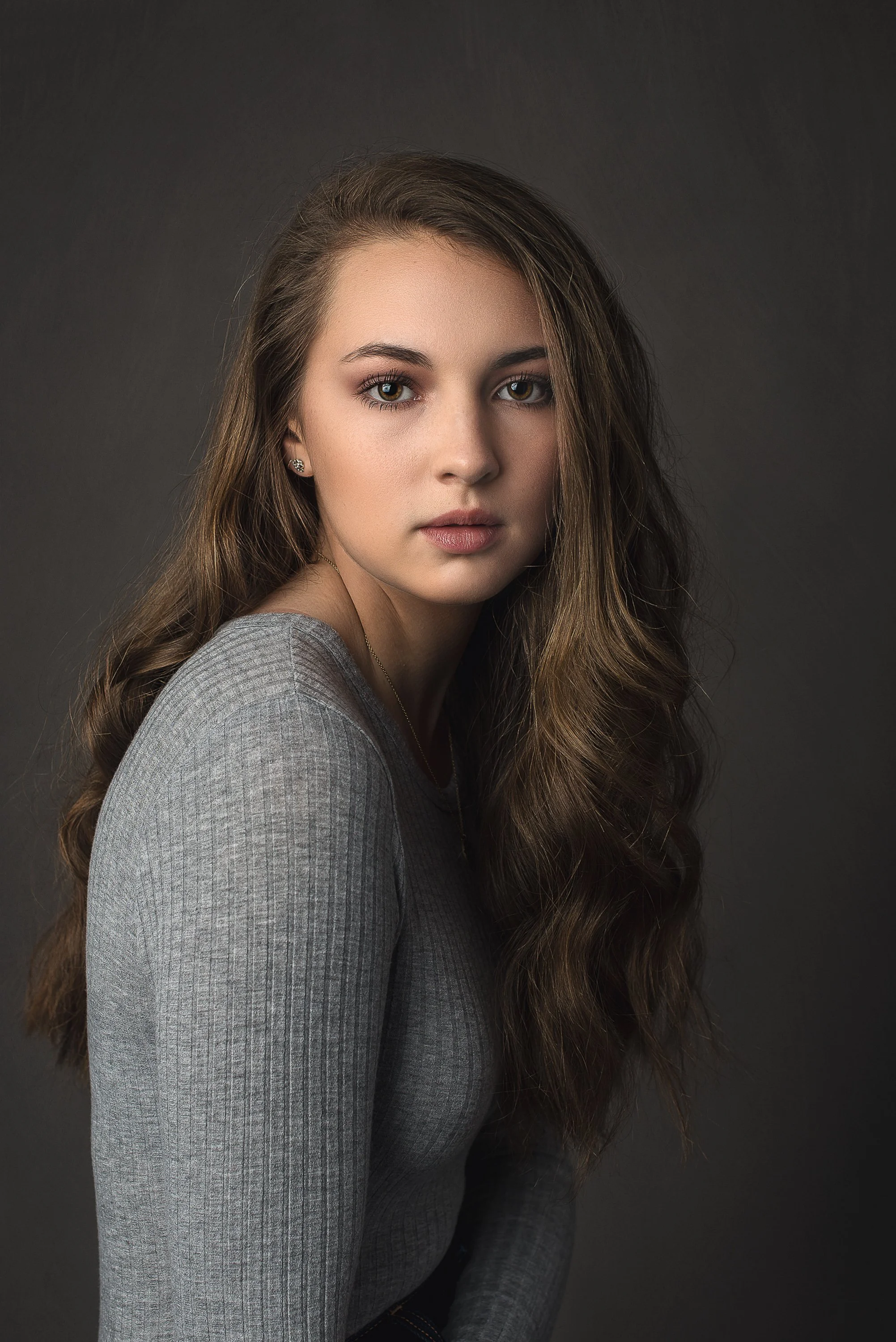
I’m drawn to richer tones, dimensional light, and images where the subject feels fully present within the frame rather than washed out by it. Contrast creates depth. Directional light creates focus and atmosphere. The environment and lighting work together to shape emotion.
My editing and lighting choices are never just about style for the sake of style. They’re there to support connection, mood, and presence.
Whether we’re shooting in open fields, city sidewalks of Charlotte, gardens in Concord, alleyways, or tucked into quiet pockets of light, I want the environment to support the senior rather than overpower them.
The location matters, but the person should always remain the center of the image.
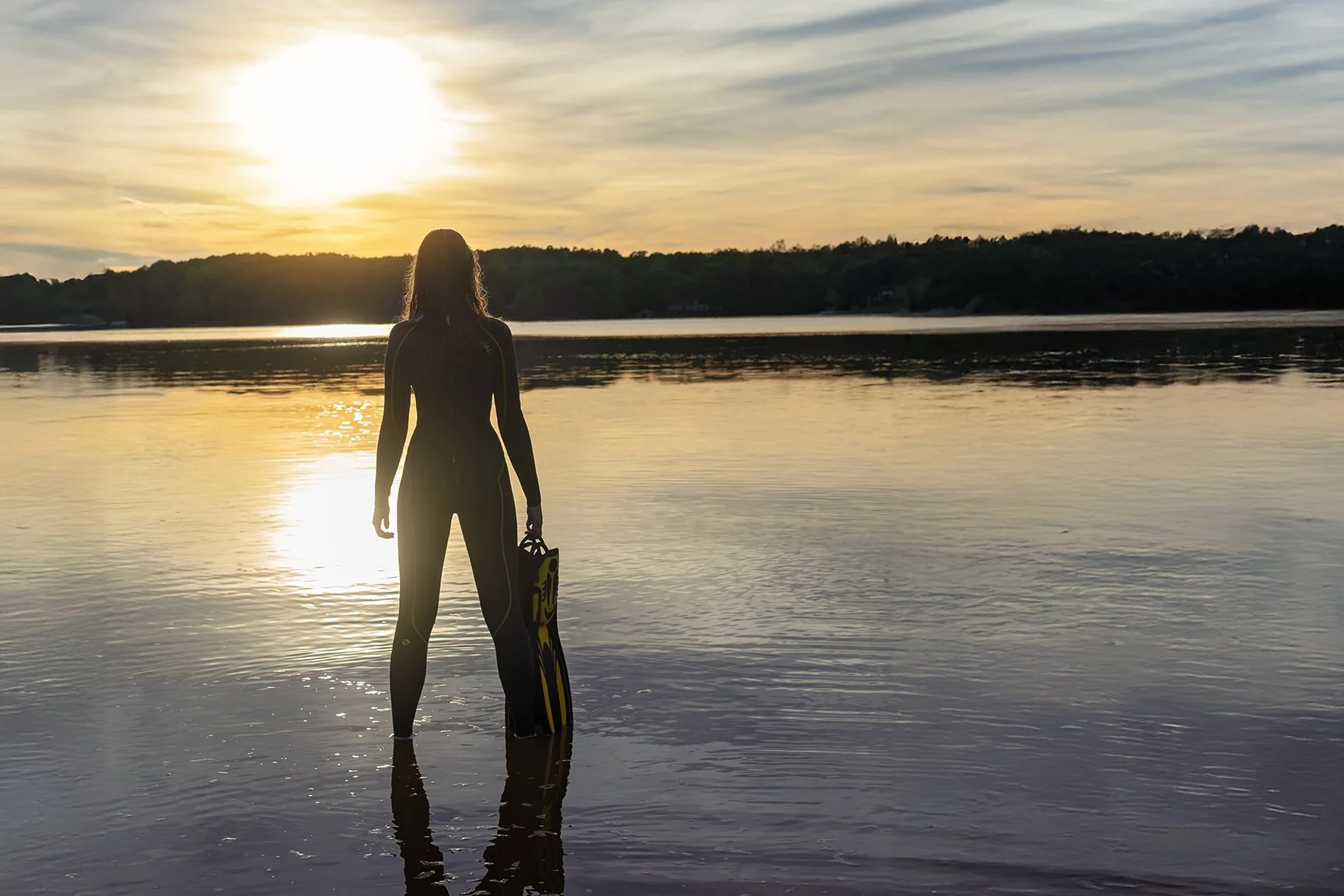
I Photograph People the Same Way Across the Board
I don’t approach photographing personal expression or gender differently in the way many people expect.
My goal is the same for every senior I photograph: to create images that feel grounded, confident, present, and true to who they are during this season of life.
Some seniors are quiet. Some are expressive. Some are outgoing immediately while others take time to open up. Every session unfolds differently because every person does.
But the heart behind my work stays the same. Present, grounded, subject forward.
I’m not trying to force someone into a version of masculinity or femininity that feels performative. I’m trying to create images that feel recognizable to the people who know and love them.
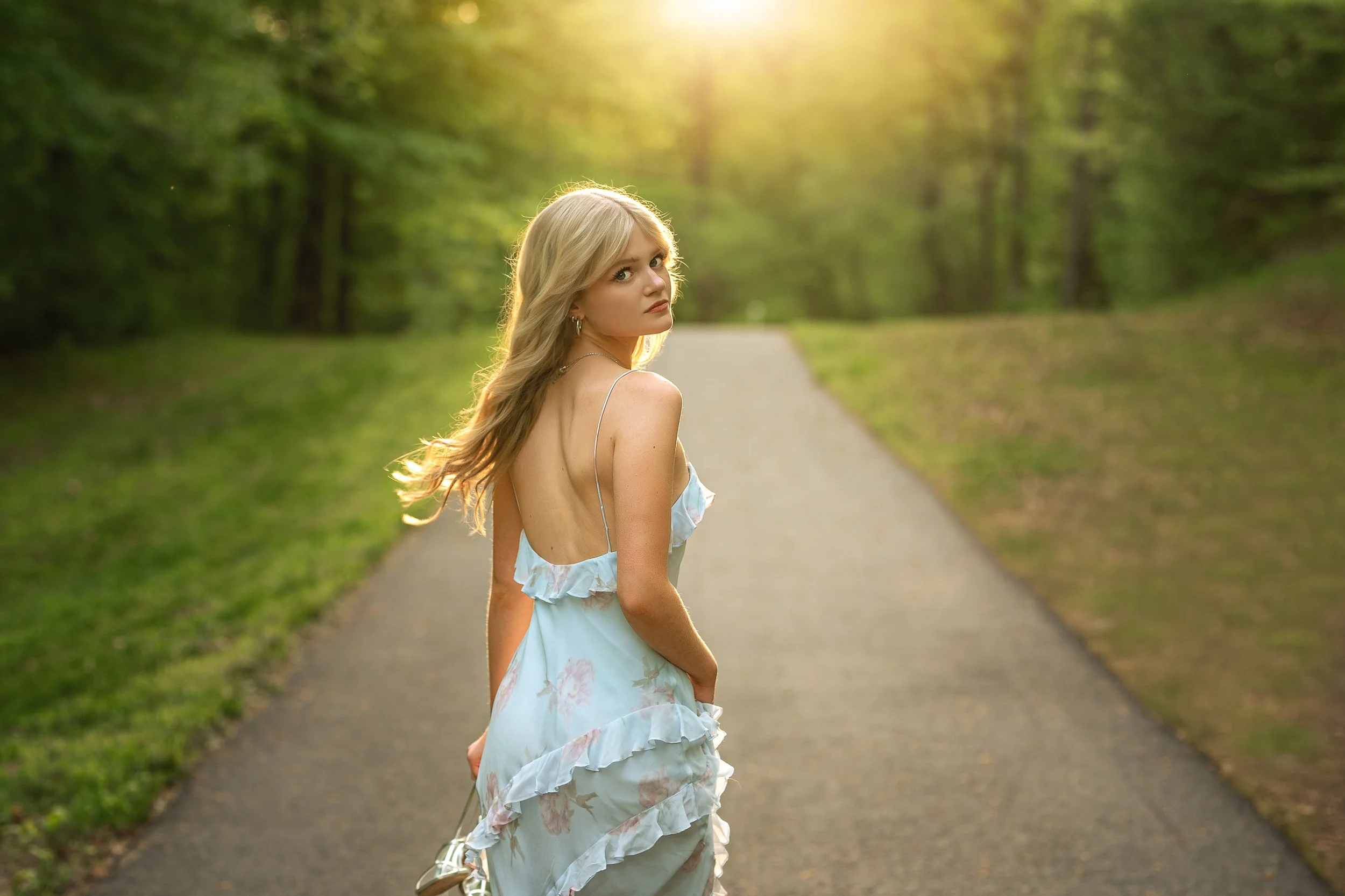
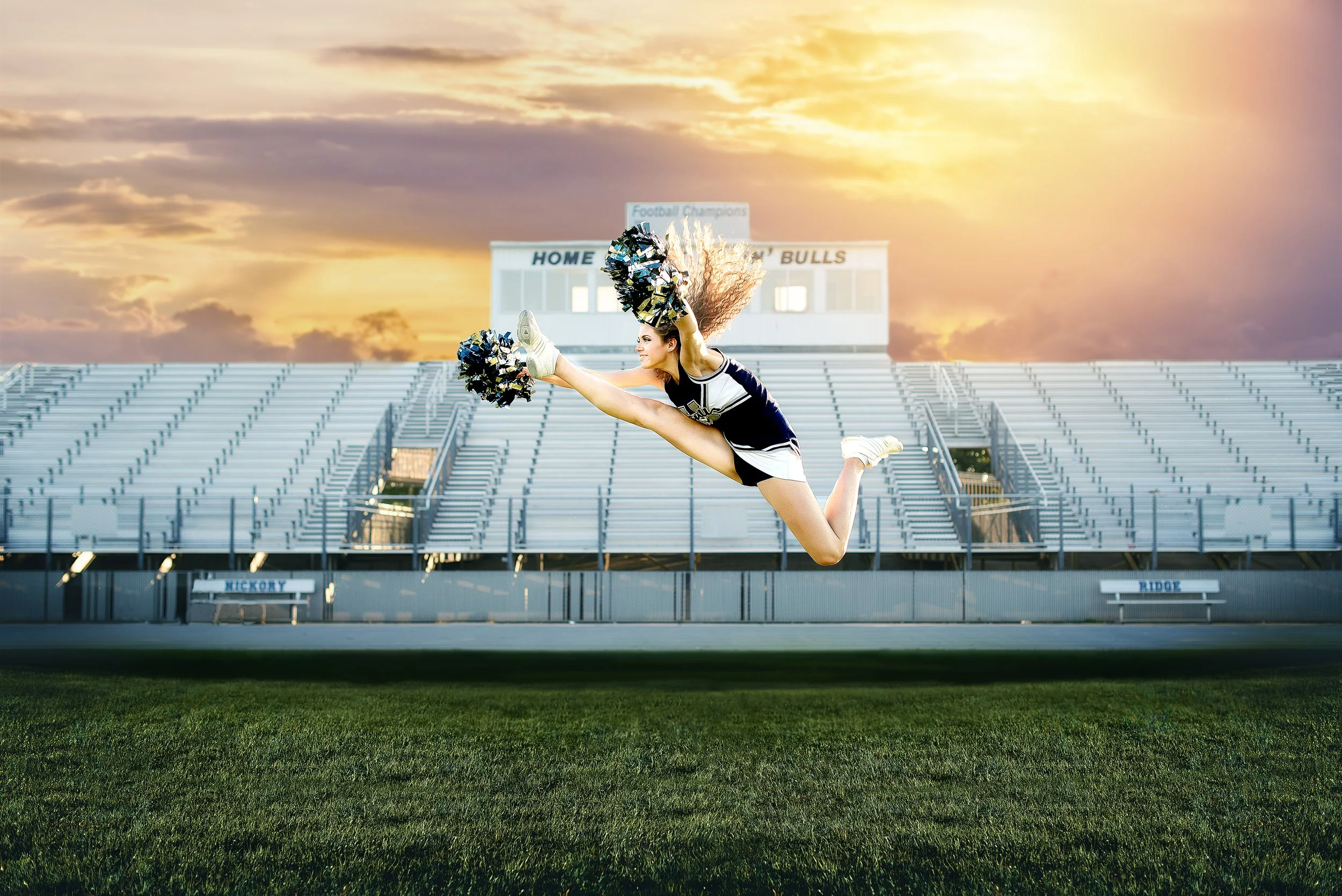
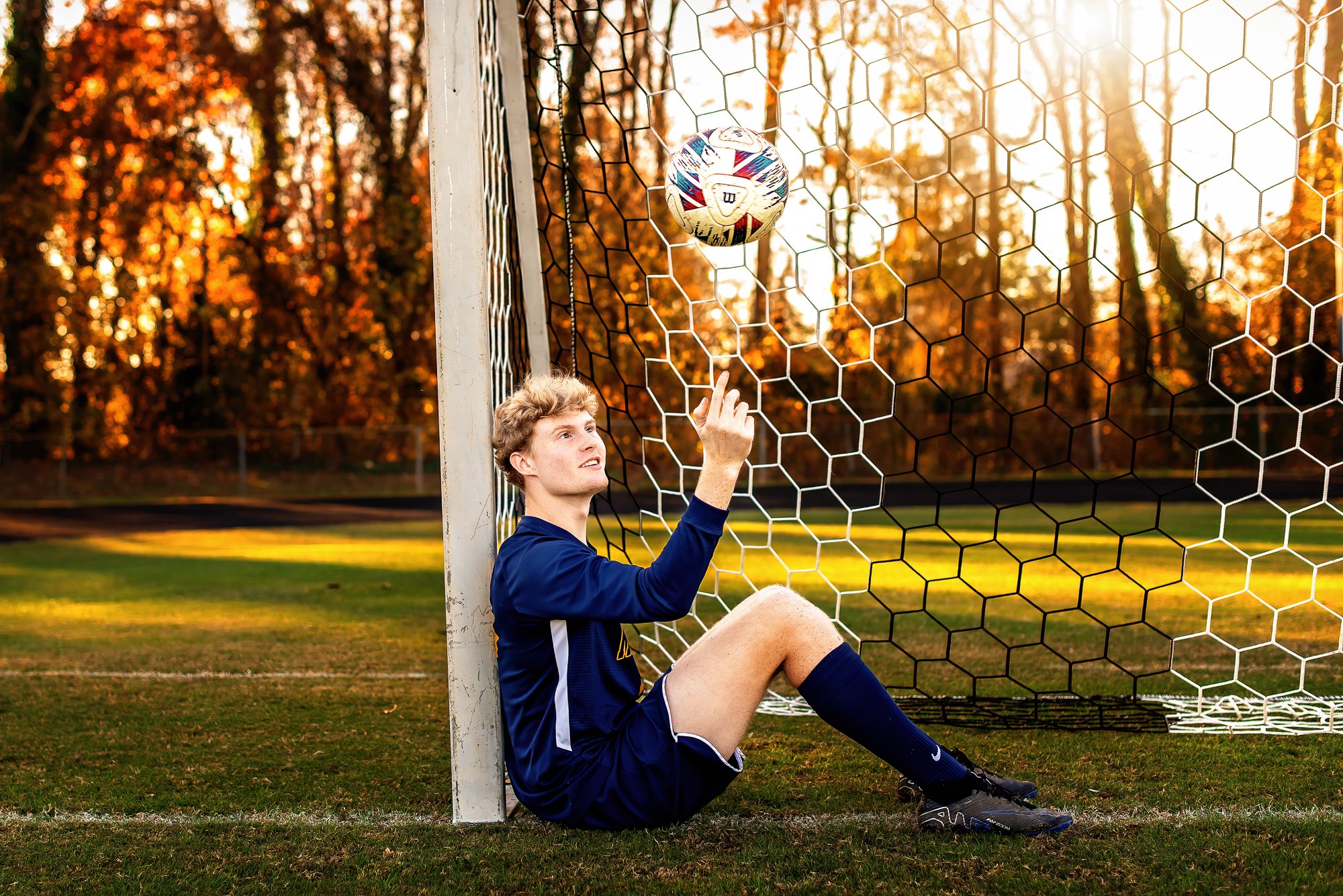
What I Hope These Photos Become Years From Now
Senior year passes quickly. Faster than most people expect it to.
At the end of the day, I don’t want parents or seniors to look back at these photos and simply think they looked nice.
I want them to remember who they were. The way they carried themselves. The nervous excitement of senior year. The version of themselves that existed right before everything changed.
Good senior portraits don’t just document what someone looked like. They preserve what it felt like to know them during this season of life.
That’s why I photograph seniors the way I do. If you’re a Charlotte area senior and want to get more information reach out here. I can’t wait to talk about creating senior portraits YOU love.
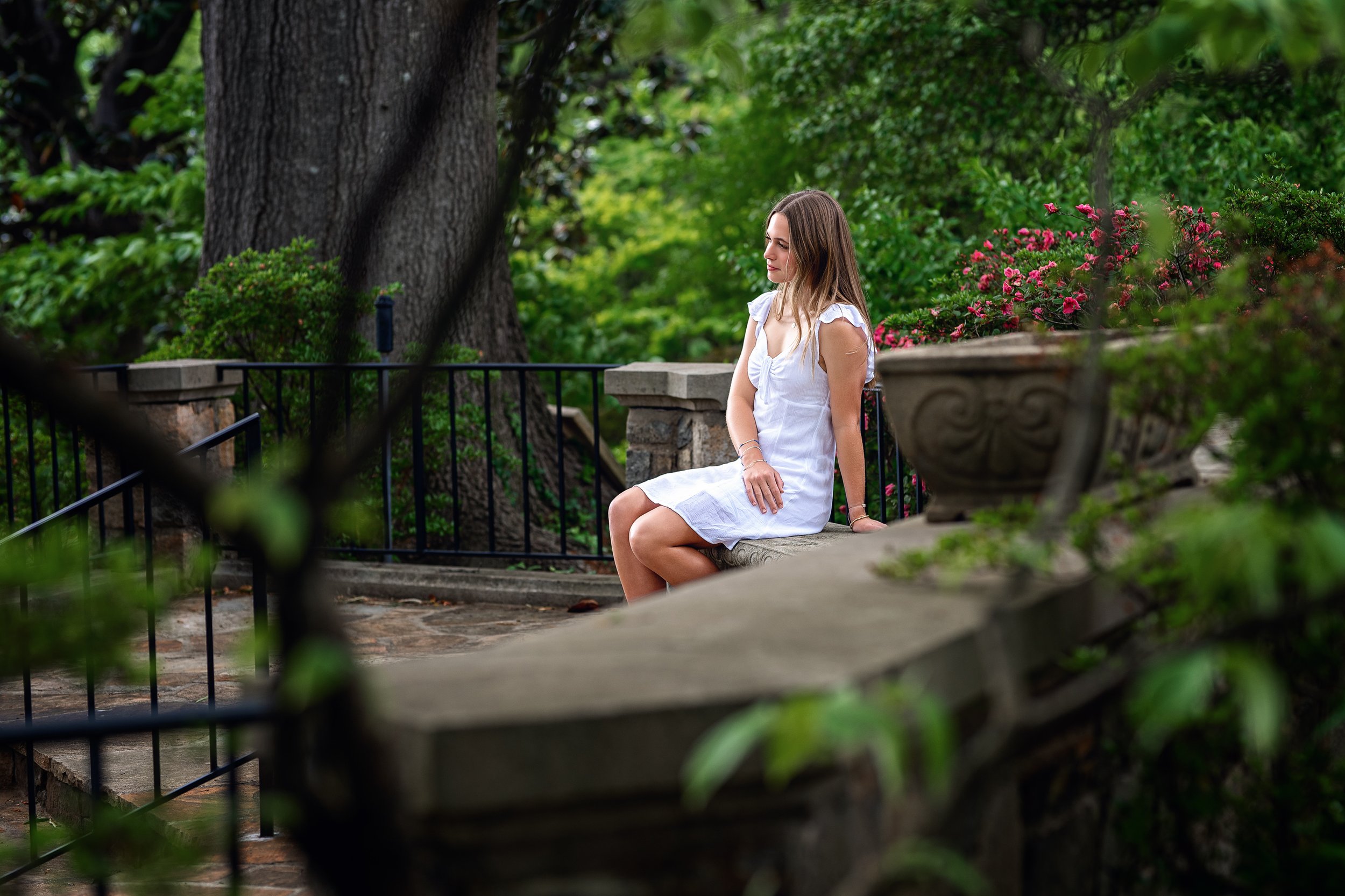

What to Wear for Senior Pictures (Guys Edition — 2027 Guide)
Not sure what to wear for senior pictures? This guys' edition guide breaks down outfit ideas, colors, and styling tips for a session that actually feels like you — serving high school seniors in Charlotte, Harrisburg, Concord, and Cabarrus County, NC.
Let's be real — figuring out what to wear for senior pictures is not exactly most guys' idea of a great time. But here's the thing: the right outfits make a massive difference in how your photos look and, more importantly, how confident you feel during your session. And feeling comfortable? That's what actually makes the photos great.
This guide breaks it down simply — no overwhelming fashion rules, just practical advice that works for senior guys in the Charlotte, Harrisburg, Concord, and Cabarrus County area.
Start Here: How Many Outfits Do You Need?
Most senior sessions include 2–3 outfit changes, and that's the sweet spot. Three outfits give you real variety — a casual look, a slightly dressed-up look, and something that's uniquely you (a jersey, a cap and gown, a suit — whatever fits your story).
Think of it this way:
Outfit 1: Your "everyday elevated" — what you'd wear on a good casual day, just polished
Outfit 2: A step up — button-down, blazer, nice jeans, or whatever feels like a special occasion
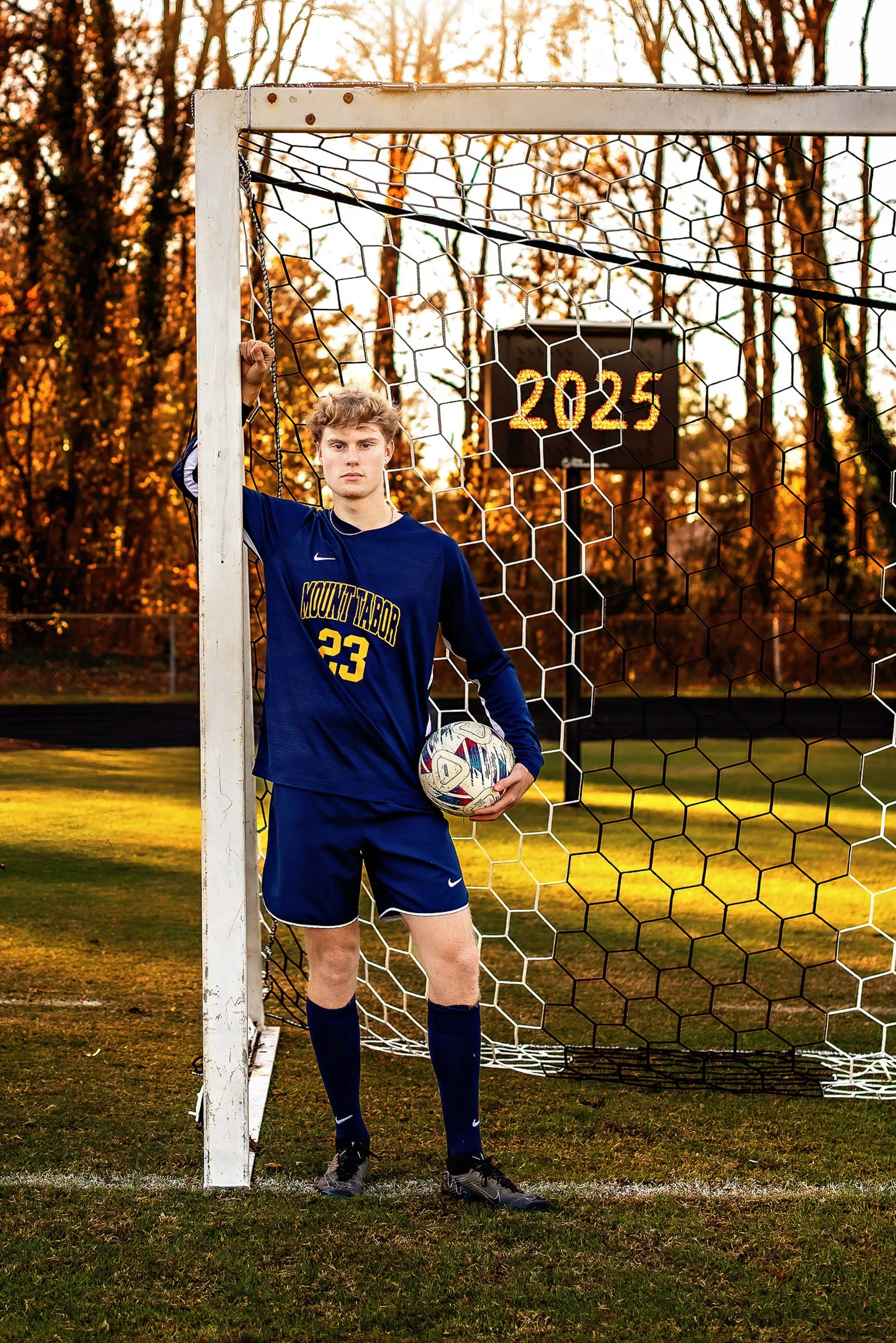
Outfit 3: Something personal — sport uniform, cap & gown, band gear, or a meaningful look
The #1 Rule: Fit Always Wins
This is the single most important thing in this entire guide. A simple, well-fitting outfit will photograph 10x better than an expensive outfit that doesn't fit right. Clothes that are too baggy look sloppy on camera. Too tight, and they restrict your movement and make you self-conscious.
You do not need to buy anything new for your session. Most guys already have everything they need — they just need to make sure it actually fits well before the session.
Colors That Work Well on Camera
Here's what tends to photograph beautifully:
Neutrals: White, cream, gray, tan, navy, black — clean and timeless
Earth tones: Olive, rust, camel, forest green — these look amazing outdoors, especially in the Charlotte area
Soft blues and burgundy: Classic, flattering, and versatile
What to avoid: Neon colors (they create color cast on your skin), large busy logos (they distract from your face), and all-black head-to-toe if your session includes dark backgrounds.
Outfit Ideas by Style
The Classic Look
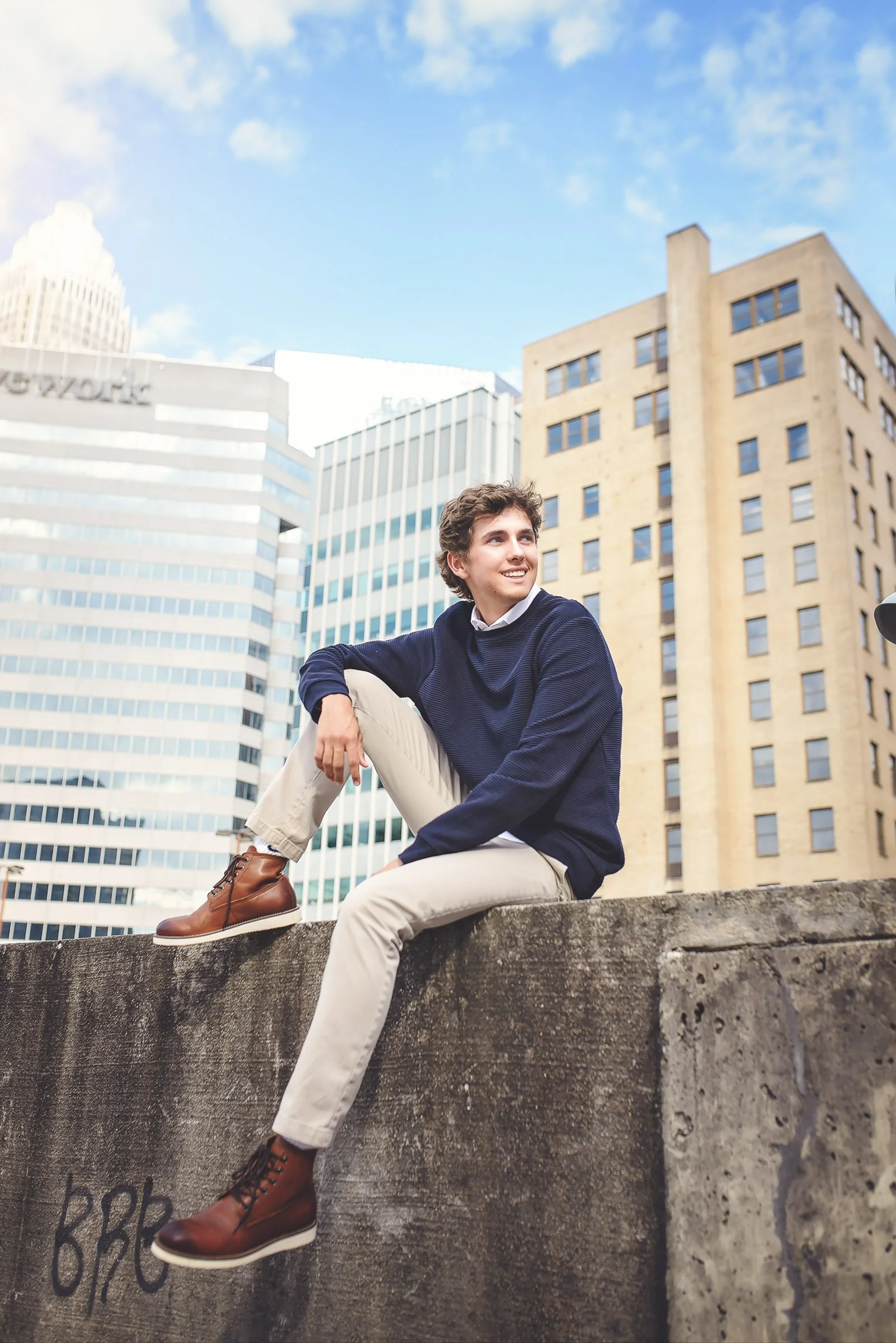
A well-fitted chino or dark denim, a button-down (tucked or untucked), and clean leather shoes or white sneakers. Simple, sharp, and works at any location — from downtown Concord to an open field.
The Casual-Cool Look
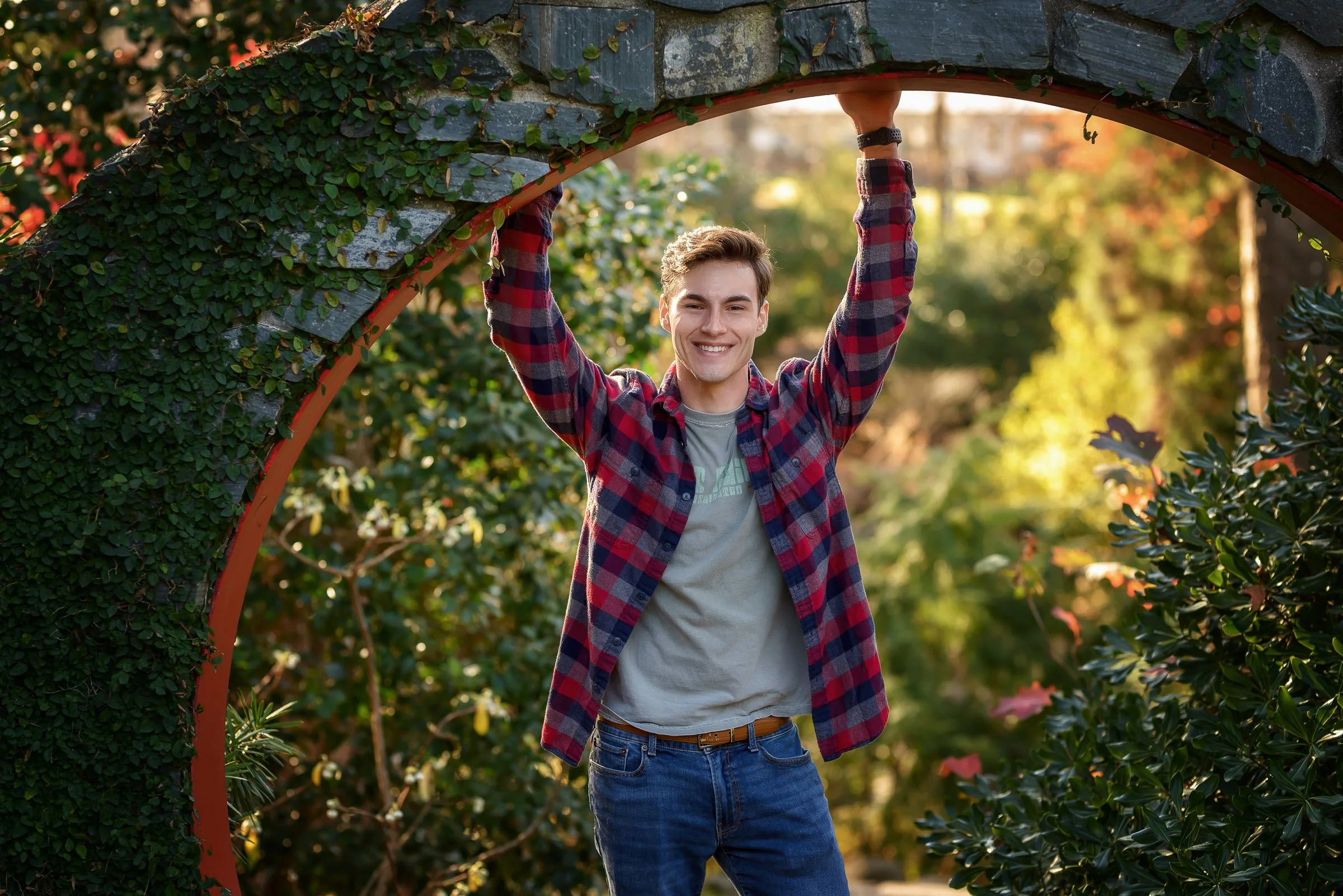
Your favorite jeans that actually fit (not the ones that have been sitting in your closet since freshman year), a plain or lightly textured crewneck or henley, and clean sneakers. This is the look most guys feel most like themselves in — and that authenticity comes through in every single photo.
The Dressed-Up Look
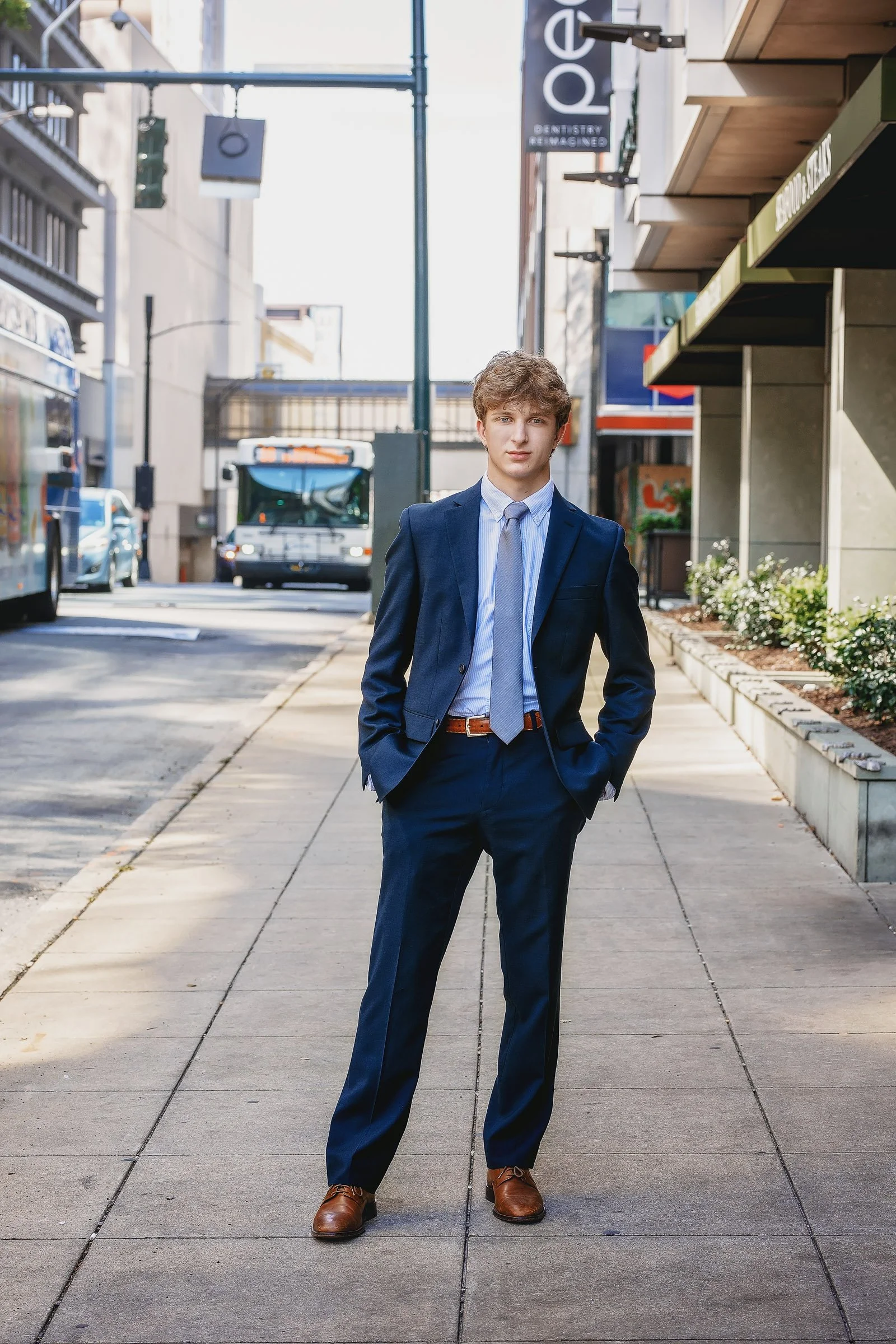
You don't have to go full suit-and-tie unless that's your thing, but a blazer over a simple shirt elevates any outfit instantly. Throw it over a white tee or a solid button-down. You'll be surprised how good it looks — and how easy it is.
The Sport or Activity Look
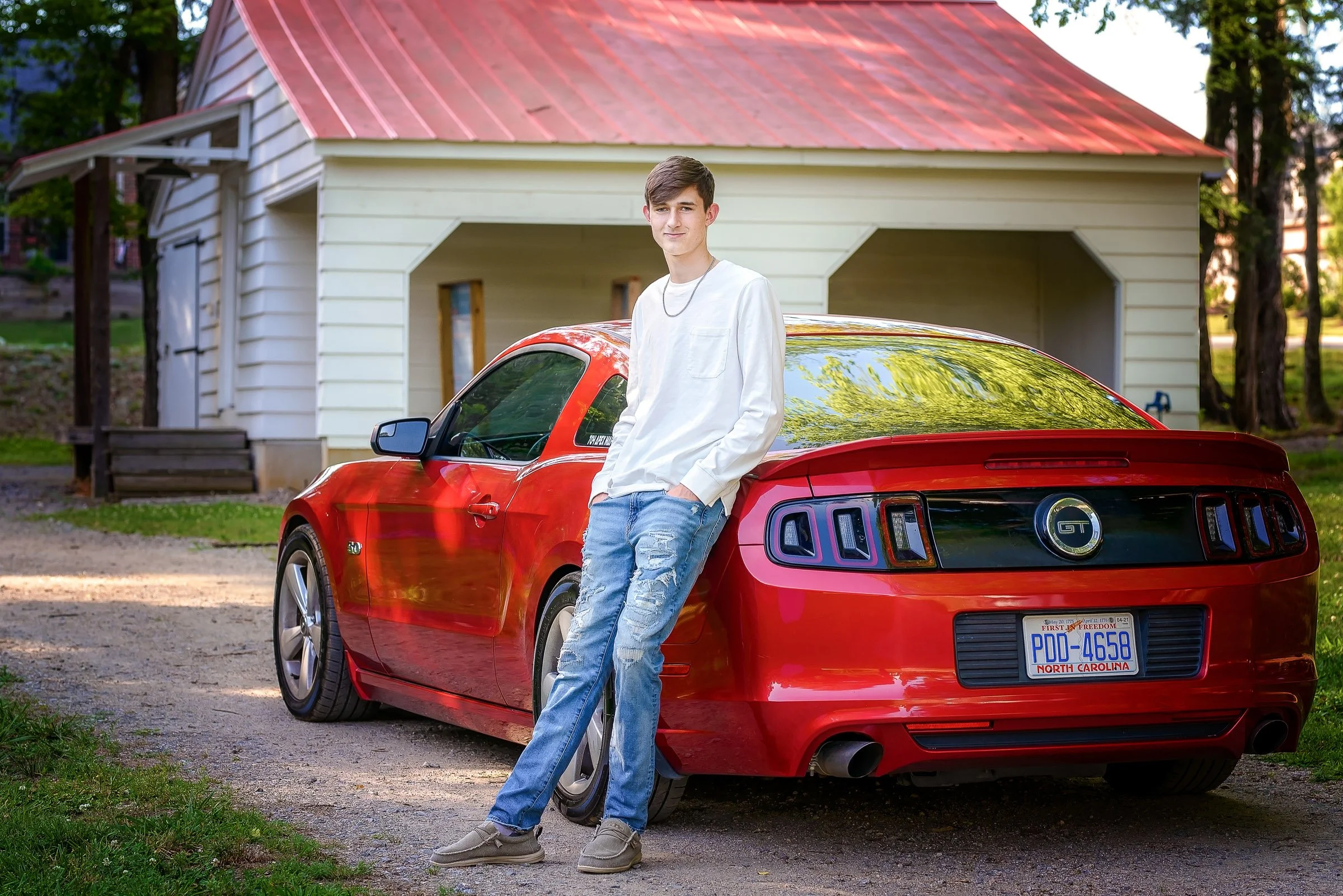
Playing sports, into hunting, love your truck or your guitar? Bring it. Senior sessions should reflect who you actually are — not just a polished version. Your team jersey, your camo jacket, your instrument. These are often the most memorable shots from the entire session.
Don't Forget These Details
Shoes matter more than you think. They show up in photos constantly. Make sure they're clean and match your outfit's vibe.
Iron or steam your clothes. Wrinkles are very visible on camera. It takes five minutes and makes a real difference.
Haircut timing. If you're getting a fresh cut before your session, do it 5–7 days before — not the day of. You want it to look natural, not brand new.
Skip the heavy cologne. You'll be moving around a lot, and it's a long session. Keep it light.
A Note on Props & Personal Touches
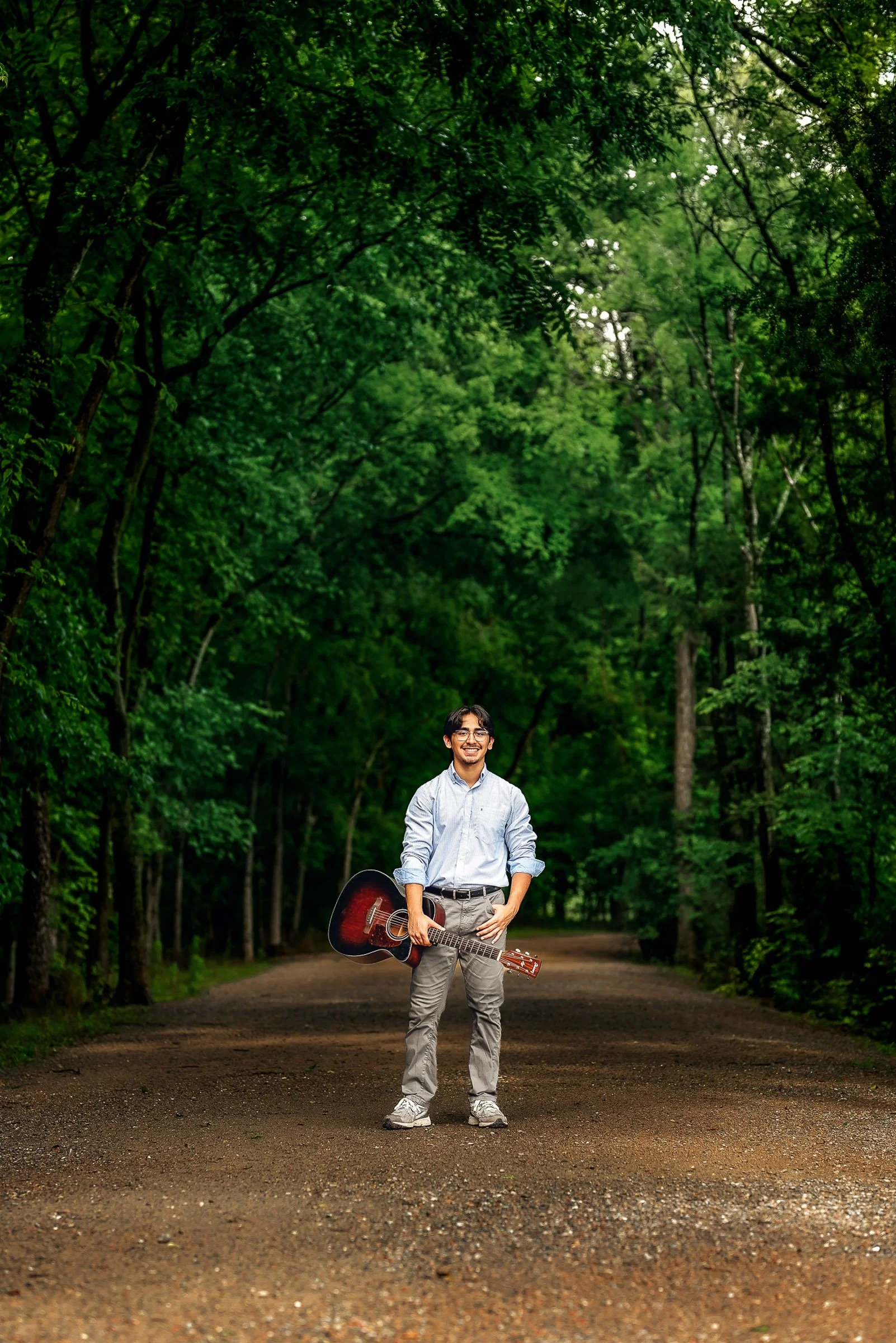
Some of the best senior sessions I've done have included a beat-up guitar, a truck, a dog, sports equipment, or a meaningful piece of gear. If there's something that's been a big part of your high school story, bring it. Props and personal touches are what turn a "nice photo" into something you'll actually want to hang on the wall.
Wrapping Up: Keep It Simple, Keep It You
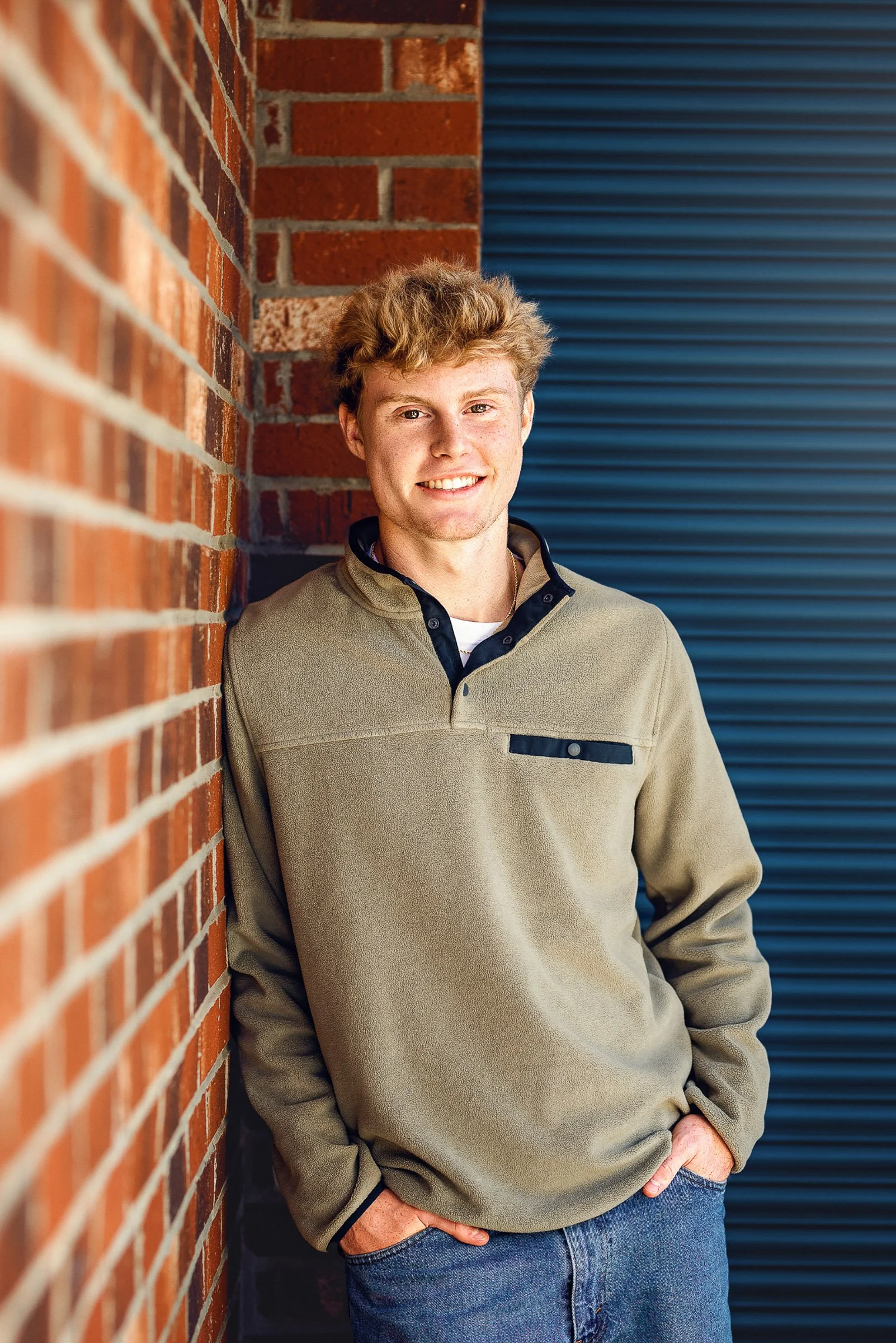
The goal of your senior session isn't to look like someone else. It's to capture who you are right now — before you head off to college, trade school, the military, or wherever life is taking you next. Clean, well-fitting clothes in colors that make you feel good are all you need.
If you're in the Charlotte, Harrisburg, Concord, or Cabarrus County area and you're ready to start planning your senior session, I'd love to connect. I guide every client through outfit planning as part of the booking process — so you'll never have to figure it out alone.
→ Ready to book? Check out the info on the Senior Page or head to the contact page and let's make it happen.

What to Wear for Professional Headshots in Charlotte, NC (For Business + Students)
Wondering what to wear for professional headshots in Charlotte, NC? Here’s a complete guide for corporate headshots, entrepreneurs, and student headshots for scholarships, internships, research, grad school, and med school applications.
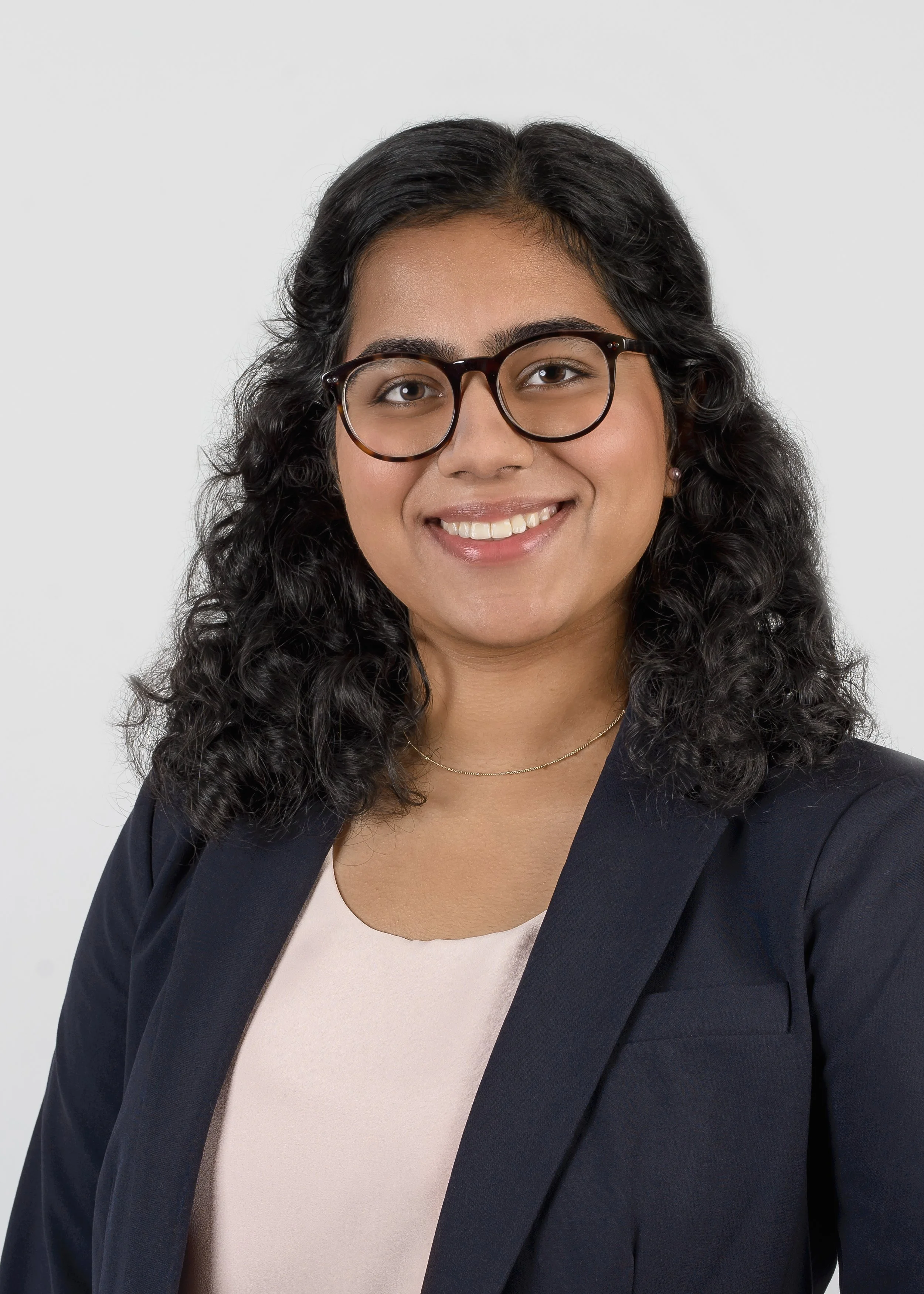
If you’ve been thinking about booking a headshot session, you’re already doing something smart for your future. A professional headshot is one of the fastest ways to upgrade how people perceive you online—whether that’s on LinkedIn, your company website, a speaking bio, or even the “About” page for your own small business. But one question comes up every single time: “What should I wear?”
And honestly… that’s a fair question. Because the outfit you choose for your headshot matters. It affects how confident you feel, how polished you look on camera, and the overall impression your image gives off in the first two seconds someone sees it.
So today I’m breaking down exactly what to wear for professional headshots in Charlotte, NC—plus an extra section for students who need headshots for scholarships, internships, research, grad school, or med school.
Why Your Outfit Matters More Than You Think
Headshots are not just “a nice photo.” They’re a branding tool.
Your clothing communicates:
your professionalism
your confidence
your personality
your industry and role
how approachable you seem
And because headshots are usually framed tight (shoulders + face), the wrong neckline, color, or pattern can distract from the one thing that matters most: you.

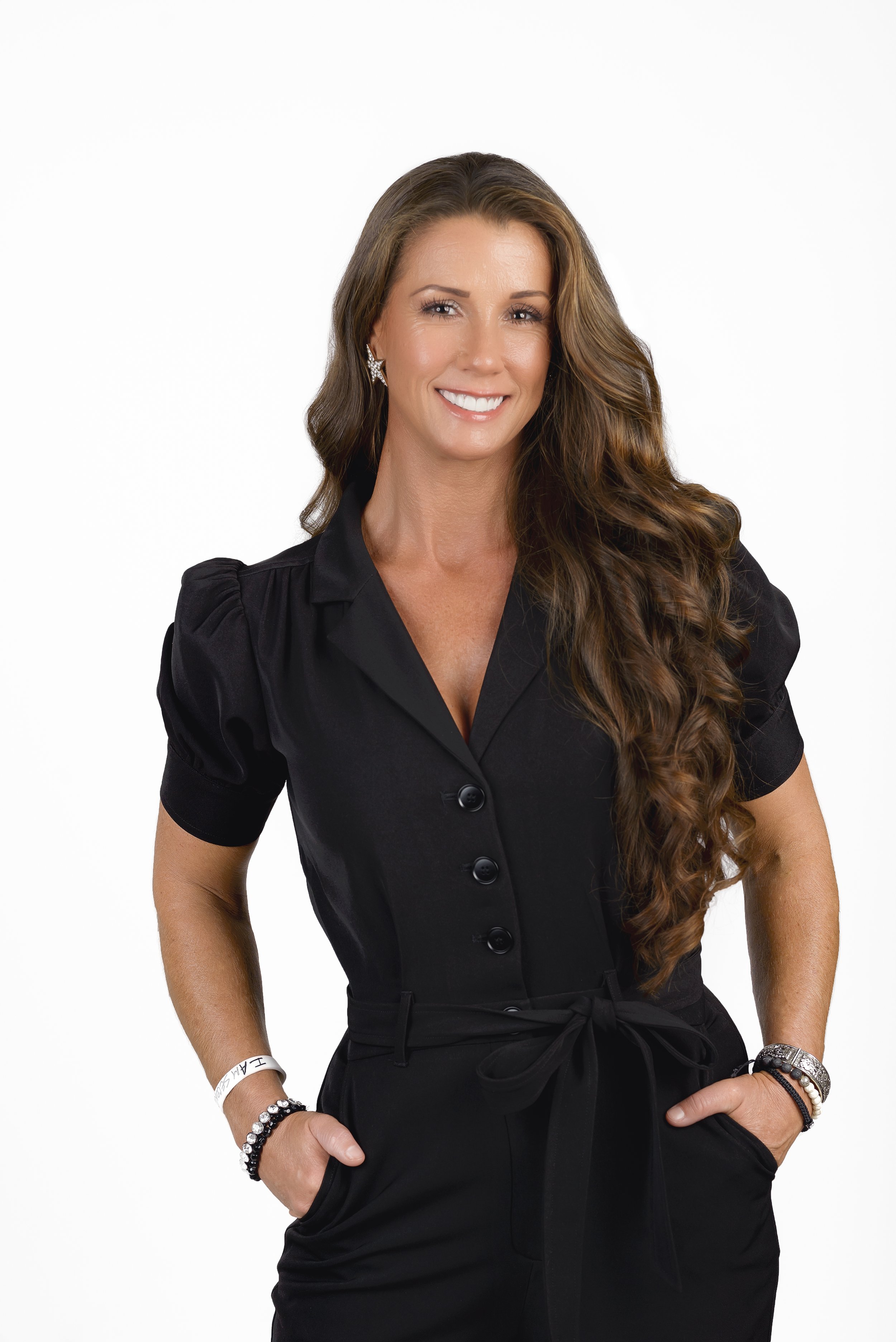
The #1 Rule: Wear Something That Looks Like You on Your Best Day
If you’re uncomfortable, it shows.
The best headshot outfits are:
professional but not stiff
flattering but not trendy
clean and polished
aligned with your career goals
If you never wear a blazer in real life, don’t force it. But if a blazer makes you feel powerful and confident? Bring it.
What Colors Photograph Best for Headshots
Color is one of the easiest ways to elevate your images.
Best colors for headshots:
navy
charcoal
black
cream
emerald
deep burgundy
soft blues
muted jewel tones
Colors to avoid:
neon anything
tiny busy prints
super bright white (can blow out in photos)
very pale pastels close to skin tone
loud patterns that compete with your face
Pro tip: solids photograph best. If you want to add interest, use texture (ribbed knit, tweed, satin) rather than patterns.
What Necklines Look Best on Camera
Necklines matter because they frame your face.
The most flattering options usually are:
v-necks
scoop necks
modest open collars
structured tops
Avoid necklines that are:
too tight (high crew necks can feel restrictive on camera)
overly low cut
wrinkled or stretched out
Headshot Outfit Ideas (By Industry)
Here are a few simple outfit formulas that always work.
Corporate / Executive
blazer + blouse
suit jacket + button-down
tailored dress + blazer
Small Business Owner / Entrepreneur / Creative Professional
clean solid top + elevated accessories
modern blazer + simple jewelry
polished dress with texture or structure
Real Estate / Finance / Law
structured blazer
classic button-down
neutral colors + crisp styling

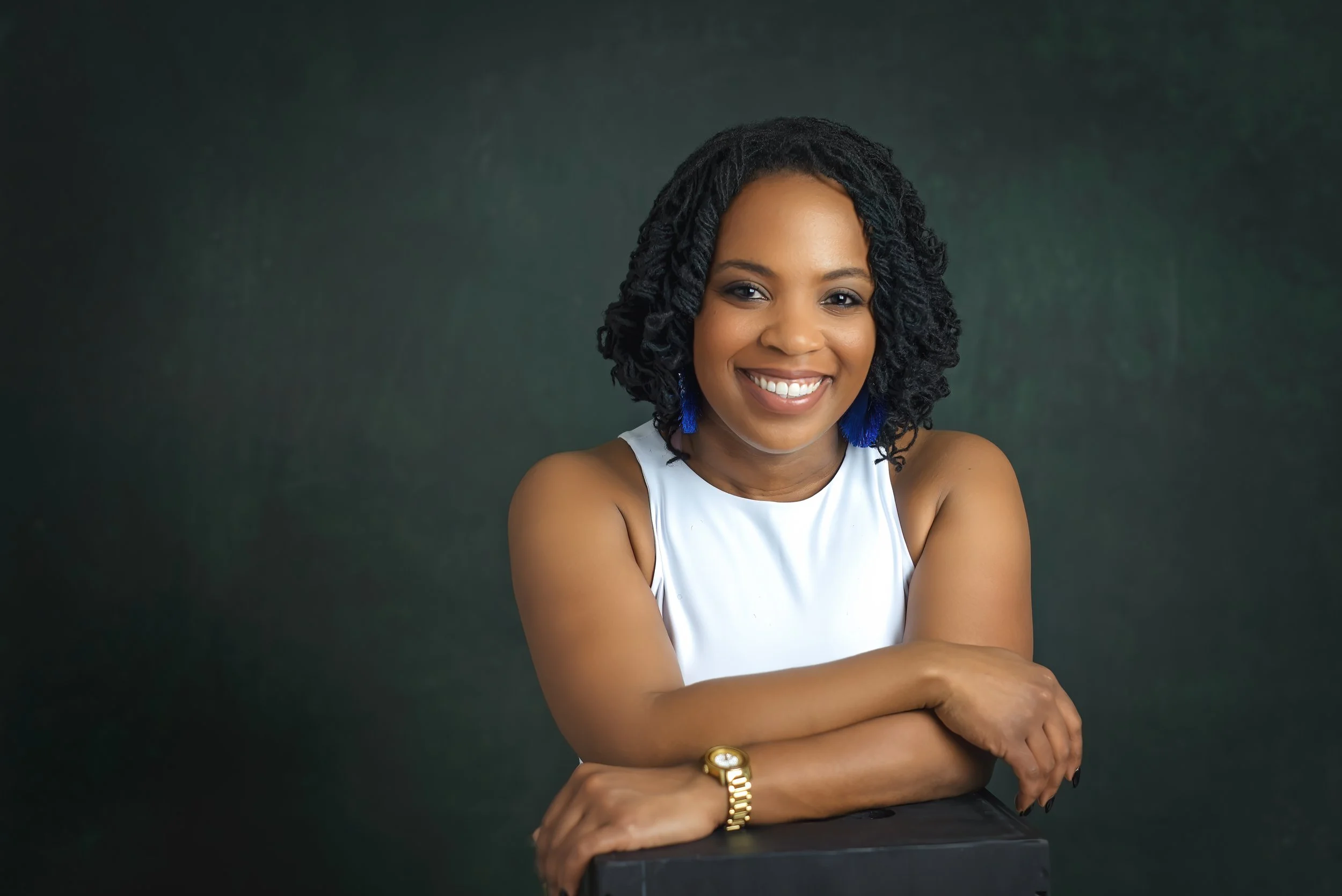

What to Wear for Student Headshots (Scholarships, Internships, Research, Grad School + Med School)
Not all professional headshots are for corporate executives. More and more of my clients are high school and college students who need a polished headshot for:
scholarship applications
specialty programs + honors programs
internships + research positions
LinkedIn + career fairs
graduate school / professional school applications
medical school applications
lab websites and academic profiles
The goal here is simple: look professional, approachable, and credible without looking stiff or like you borrowed a parent’s blazer.
High School Students (Scholarships + Specialty Programs)
For high schoolers, the best styling is “future professional.”
Great outfit options:
solid color blouse or sweater
simple dress with sleeves
button-down shirt
blazer optional (only if it fits well and feels natural)
Best vibe: confident, polished, age-appropriate.
Avoid graphic tees, loud prints, neon, and anything distracting.
Undergraduates (Internships + Research + Programs)
For college students applying to internships, research positions, or honors programs, your headshot should say:
“I’m capable, reliable, and ready to be taken seriously.”
Best options:
solid top + blazer
button-down shirt
simple professional dress
sweater over a collared shirt
Pro tip: If they’re applying to labs, healthcare internships, engineering programs, etc., neutrals and classic tones photograph beautifully and feel credible.
Grad School / Med School / Post-Grad Applications
This category needs the strongest “professional credibility” look.
Think: clean, confident, mature, and just a little more formal than undergrad.
Best outfit options:
blazer + solid blouse
suit jacket
button-down + jacket
professional dress + blazer
These images often end up in online directories and professional bios for years, so it’s worth getting it right.
Final Student Styling Tips
No matter the age or program, what works best is:
solids over patterns
minimal distractions
clean necklines
well-fitted clothing
hair groomed and camera-ready
light makeup (if worn) for polish
And if your student has no idea what to do—trust me, that’s normal. Most students need guidance, and that’s part of what I provide in every session.
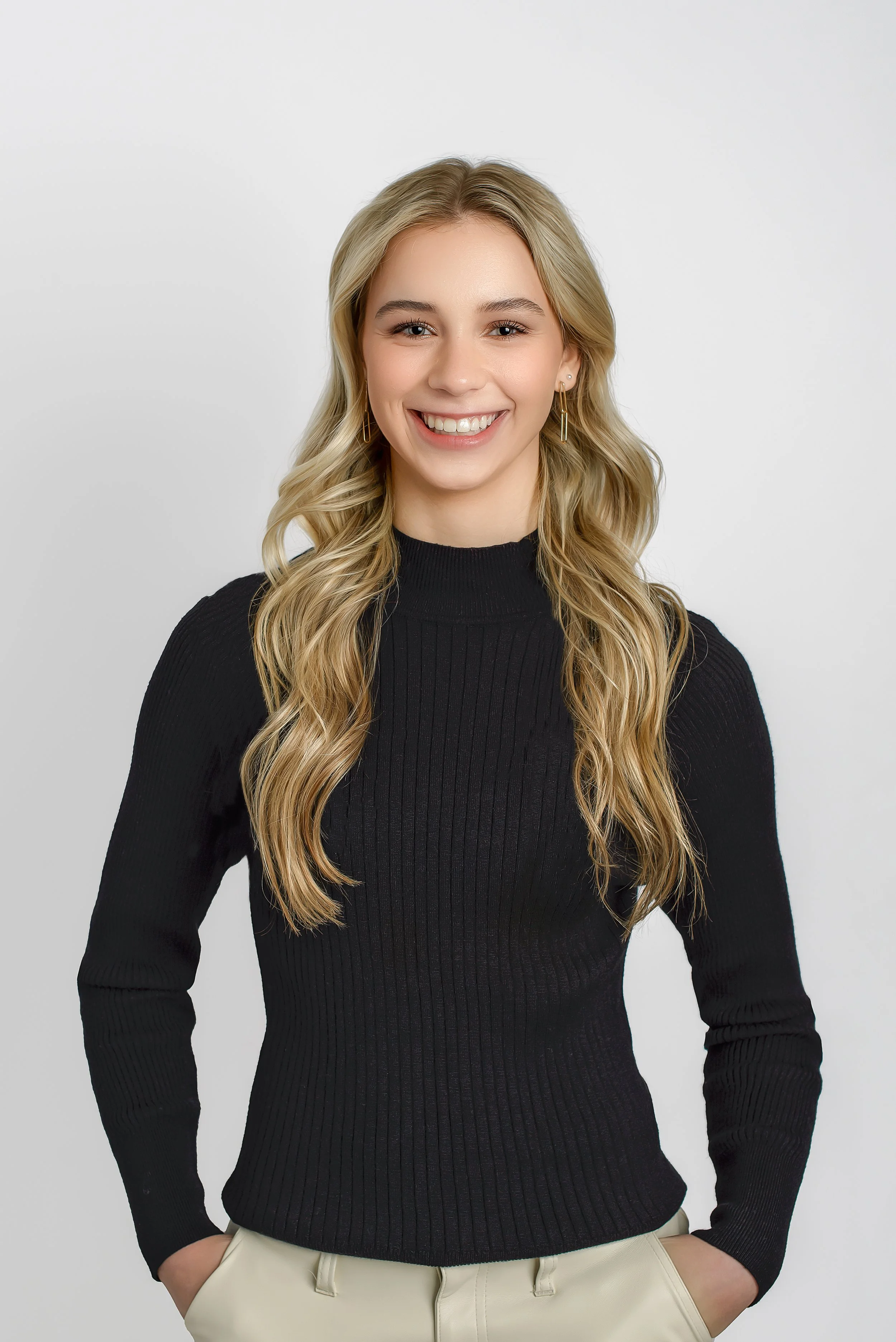
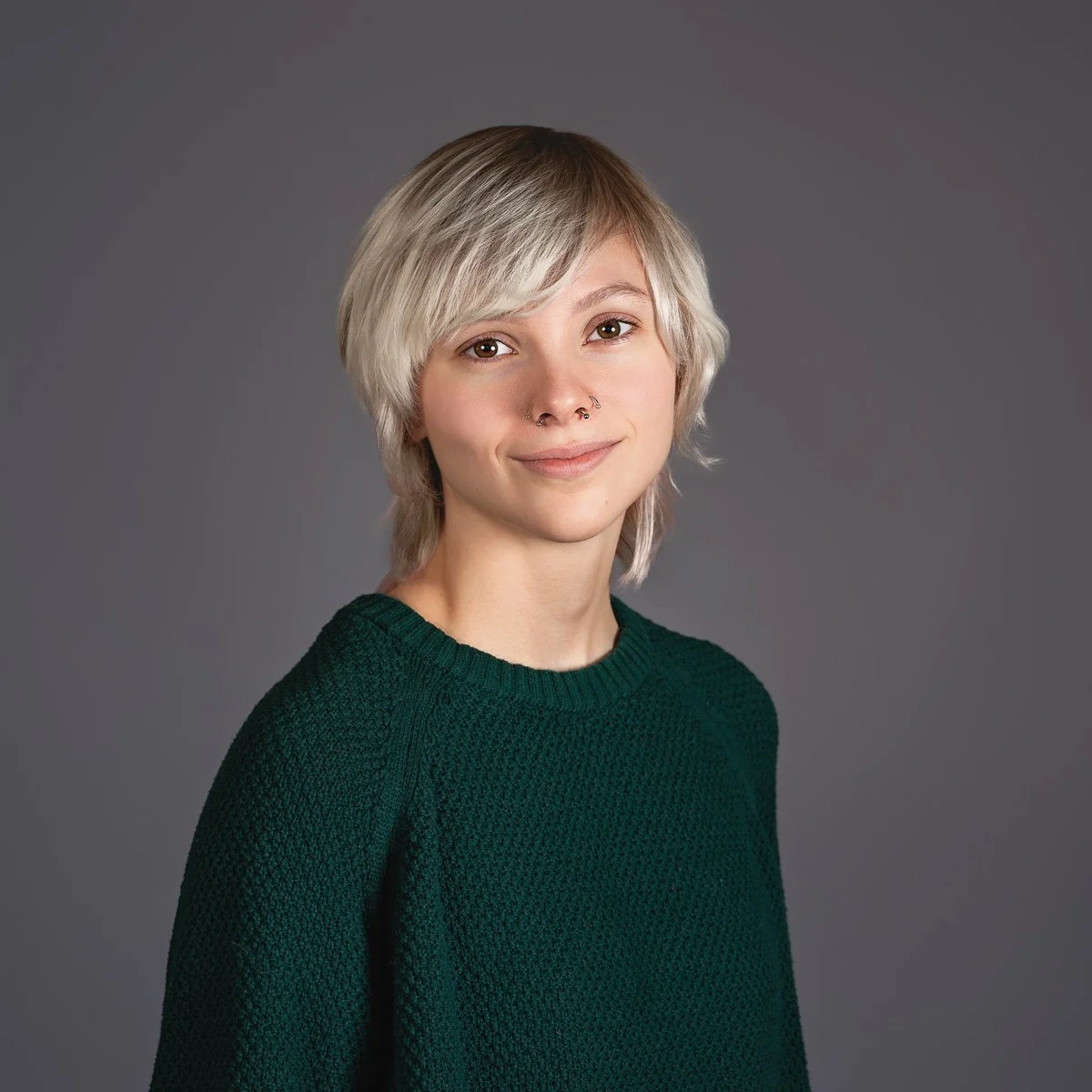
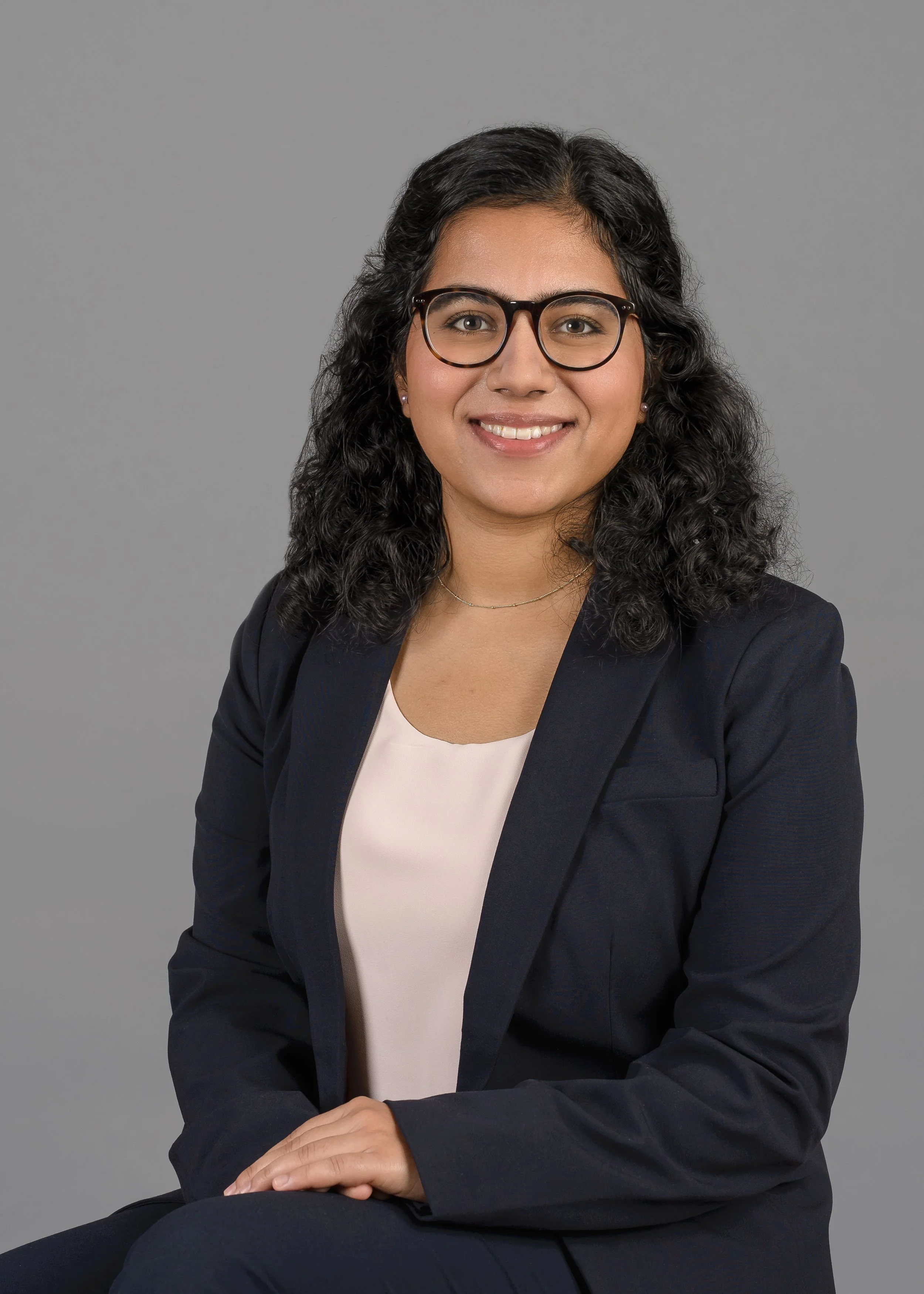
What to Bring to Your Headshot Session
I always recommend bringing 2–3 outfit options.
A simple lineup looks like:
most professional (blazer/jacket look)
less formal but still polished
optional personality/brand look
Also bring:
lint roller
powder or blotting sheets
lipstick/gloss for touch-ups
a brush/comb
any glasses you regularly wear (clean them!)

Want Help Styling Your Session?
One of the biggest differences between a “quick headshot” and a truly elevated session is that I don’t just take a photo—I guide you through the whole experience.
From outfit feedback to posing and expression coaching, you’ll never be left wondering what to do with your hands or whether your outfit choice was the right one.
If you’re looking for professional headshots in Charlotte, NC, I’d love to help you create images that look polished, confident, and authentically you.

When Should You Book Senior Pictures in Harrisburg & Cabarrus County?
Not sure when to schedule senior portraits? A guide for Harrisburg and Cabarrus County families on timing, seasons, and creating a relaxed senior photography experience.
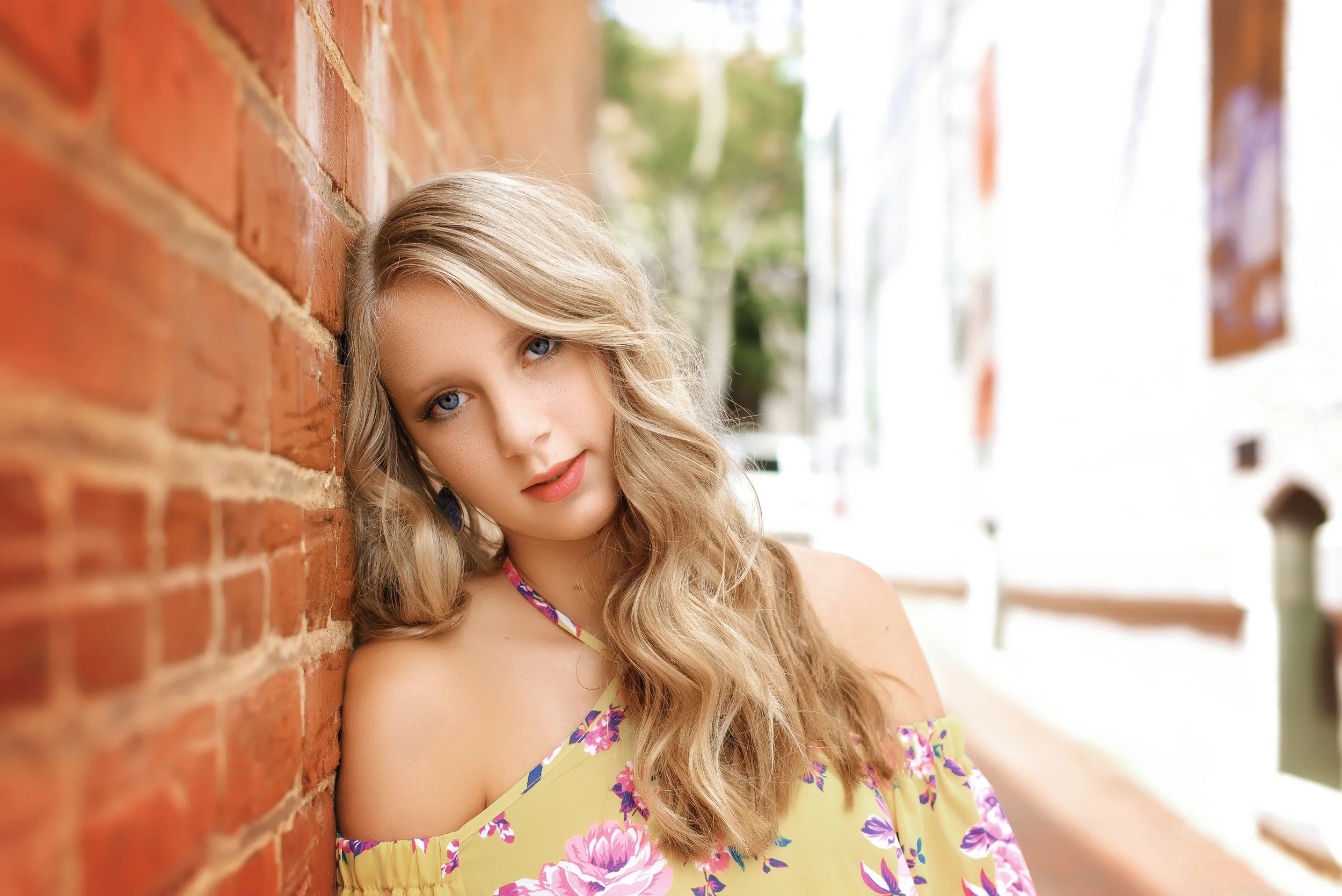
One of the most common questions parents ask when starting to plan senior portraits is when to book. Between school schedules, sports, activities, and everything else senior year brings, it can feel overwhelming to figure out the “right” time.
Families in Harrisburg and Cabarrus County often assume there’s a single correct answer; but in reality, the best timing depends on your goals, your schedule, and the kind of experience you want your senior to have. The good news? With a little planning, there’s flexibility, and the process doesn’t have to feel stressful.
The Short Answer
Most seniors book their portraits between late spring and early fall, with many families planning sessions well before senior year gets busy. Booking earlier typically allows for more flexibility with dates, locations, and overall session design, while later bookings may come with tighter timelines.
That said, there’s no one-size-fits-all timeline — and it’s never too late to create meaningful senior portraits.
What Affects the Best Timing for Senior Pictures
Several factors play into choosing the right time to schedule a senior session. Thinking through these ahead of time helps families feel confident rather than rushed.
Seasonal Look & Location
The time of year directly impacts the feel of senior portraits.
Spring: Soft Greens, Florals, and Lighter Tones
Spring brings fresh greenery, softer tones, and an overall lighter feel. In North Carolina, that greenery tends to lean more yellow early on, which can sometimes feel bright or even slightly neon if not handled carefully. We balance that by choosing locations with florals, soft textures, and lighter wardrobe colors that keep everything looking natural and flattering.
Spring sessions are a great fit for seniors who love a fresh, airy look and want portraits that feel light, romantic, and timeless rather than bold or dramatic.
Summer: Warm Light and an Easy, Laid-Back Look
Summer brings warm light and a bold, energetic feel — but in the Carolinas, it also brings heat. August and September (and even parts of April/May) can still feel very much like summer, with temperatures well into the 80s and sometimes close to 90.
That makes summer sessions ideal for casual styling: shorts, t-shirts, tank tops, flowy dresses, and maxi skirts. Summer grasses and natural textures have their own kind of beauty, and we schedule sessions carefully to avoid harsh midday light and uncomfortable heat. With thoughtful timing, summer portraits feel relaxed, confident, and effortless.
Fall: Rich Textures and Deeper Light
Fall provides rich textures and seasonal color, but it’s also more unpredictable than many families expect. In this area, warm summer-like days can stretch well into October and even November, which can make scheduling tricky for families hoping for a very specific fall look.
As fall progresses, the quality of light changes. Sunsets happen earlier, the light deepens, and tones become richer and moodier. This is perfect for seniors who love depth, contrast, and a more editorial feel — especially when paired with layered outfits and textured locations.
Why This Matters for Scheduling
Because seasons don’t follow a strict calendar here, timing often matters more than the month itself. We plan sessions around how you want your portraits to feel, not just what season it says on paper. That flexibility is one of the biggest reasons families who book earlier feel less stressed and more confident about their final images.
School Schedules & Deadlines
Senior year fills up quickly. Between academics, sports, band, clubs, and family commitments, calendars get tight fast. For instance, families with students in the graduating class of 2027 often begin planning senior portraits during junior year to allow plenty of flexibility once senior schedules fill up.
Booking earlier allows room to plan around:
school commitments
extracurricular schedules
yearbook submission timelines
weather backups if needed
Families who plan ahead often find the experience feels calmer and more enjoyable overall.
Style & Session Goals
Every senior session is different. Some seniors want a relaxed, natural feel. Others prefer a more editorial or studio-based look. Outdoor vs. studio, outfit variety, and overall pacing all influence the best timing. Clarifying what matters most, whether that’s flexibility, variety, or a specific visual style, helps guide the scheduling decision and makes the session feel intentional.
Why Booking Earlier Makes the Process Easier
Booking senior pictures earlier doesn’t just secure a date — it creates space for thoughtful planning. Planning ahead allows time for:
outfit coordination without last-minute stress
choosing locations intentionally
building a session flow that feels natural
flexibility if plans need to shift
Rather than feeling like another task on a long to-do list, the session becomes something seniors and parents can actually look forward to.
Is It Ever Too Late to Book Senior Pictures?
Absolutely not. While earlier booking offers more flexibility, seniors who are running behind still have great options. Studio sessions, simplified location plans, and focused session design make it possible to create strong, meaningful portraits even later in the year. The goal isn’t perfection — it’s creating images that feel authentic and reflective of this season of life.
How I Help Harrisburg & Cabarrus County Families Decide
I work closely with families throughout Harrisburg and Cabarrus County to help them choose timing based on their senior’s personality, schedule, and comfort level. From the first conversation, we talk through goals, options, and expectations so the experience feels guided and clear from start to finish. Planning happens long before the camera comes out, which allows sessions to feel relaxed, confident, and intentional rather than rushed.
If you’d like to learn more about how the experience works, you can find additional details on my Senior Info page.
Next Steps
If you’re unsure when to book senior pictures, that’s completely normal. Reaching out early, even just to ask questions, can help you feel more confident about the process and timing.
Senior portraits don’t need to be stressful or complicated. With the right guidance, they can be an enjoyable, meaningful experience for both parents and seniors.

How to Choose the Right Location for Your Senior Portraits
A helpful guide to choosing the right location for senior portraits. Learn how personality, style, vibe, and practical factors all play a role in selecting locations that feel natural and photograph beautifully.
One of the first questions I hear from seniors and parents is, “Where should we take the photos?”
And the honest answer is: the best location isn’t about trends — it’s about you.
The right location should support your personality, your style, and the story you want your senior portraits to tell. Here’s how to narrow it down without overthinking it.
Start With Personality, Not Popularity
It’s easy to get caught up in what you’ve seen on Instagram or Pinterest, but a location works best when it feels natural to you.
Ask yourself:
Are you more laid-back or bold?
Do you love nature or feel more at home in the city?
Do you want your images to feel soft and timeless or modern and editorial?
Someone who thrives in quiet, natural spaces will photograph very differently than someone who loves urban energy — and that’s a good thing.

Think About the Overall Vibe You Want
Locations create mood just as much as outfits do.
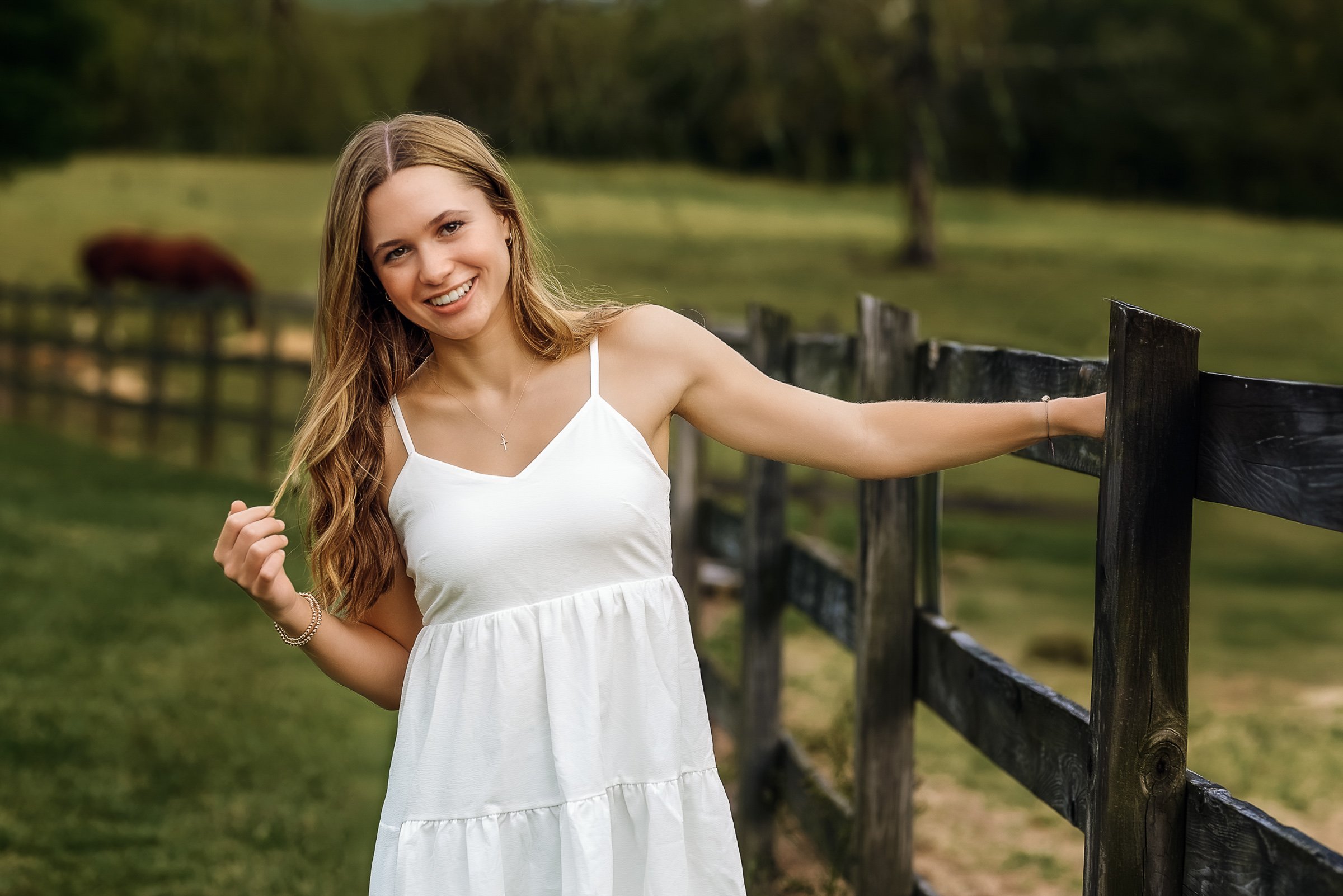
Gardens, fields, and wooded paths feel soft, romantic, and timeless
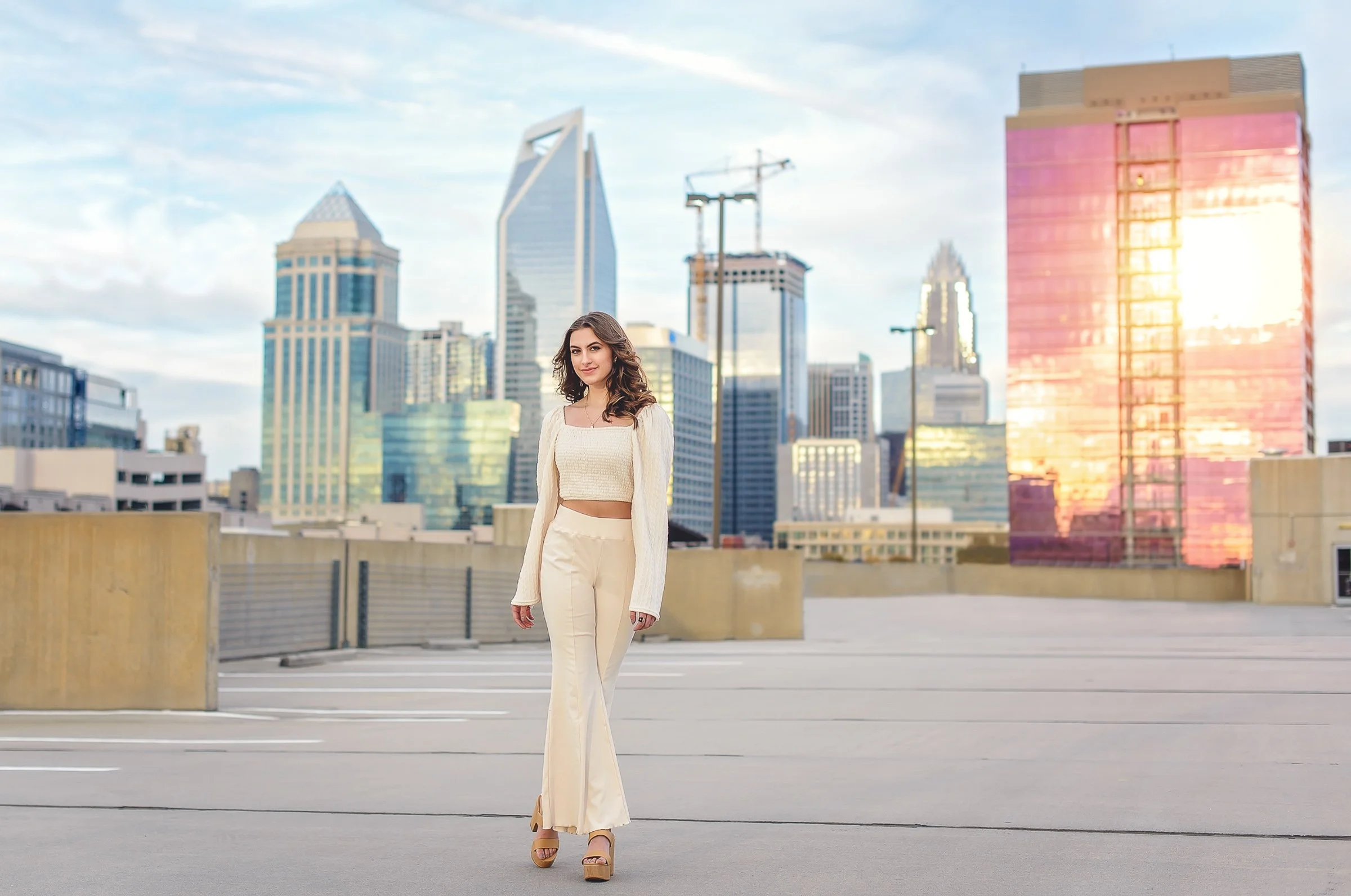
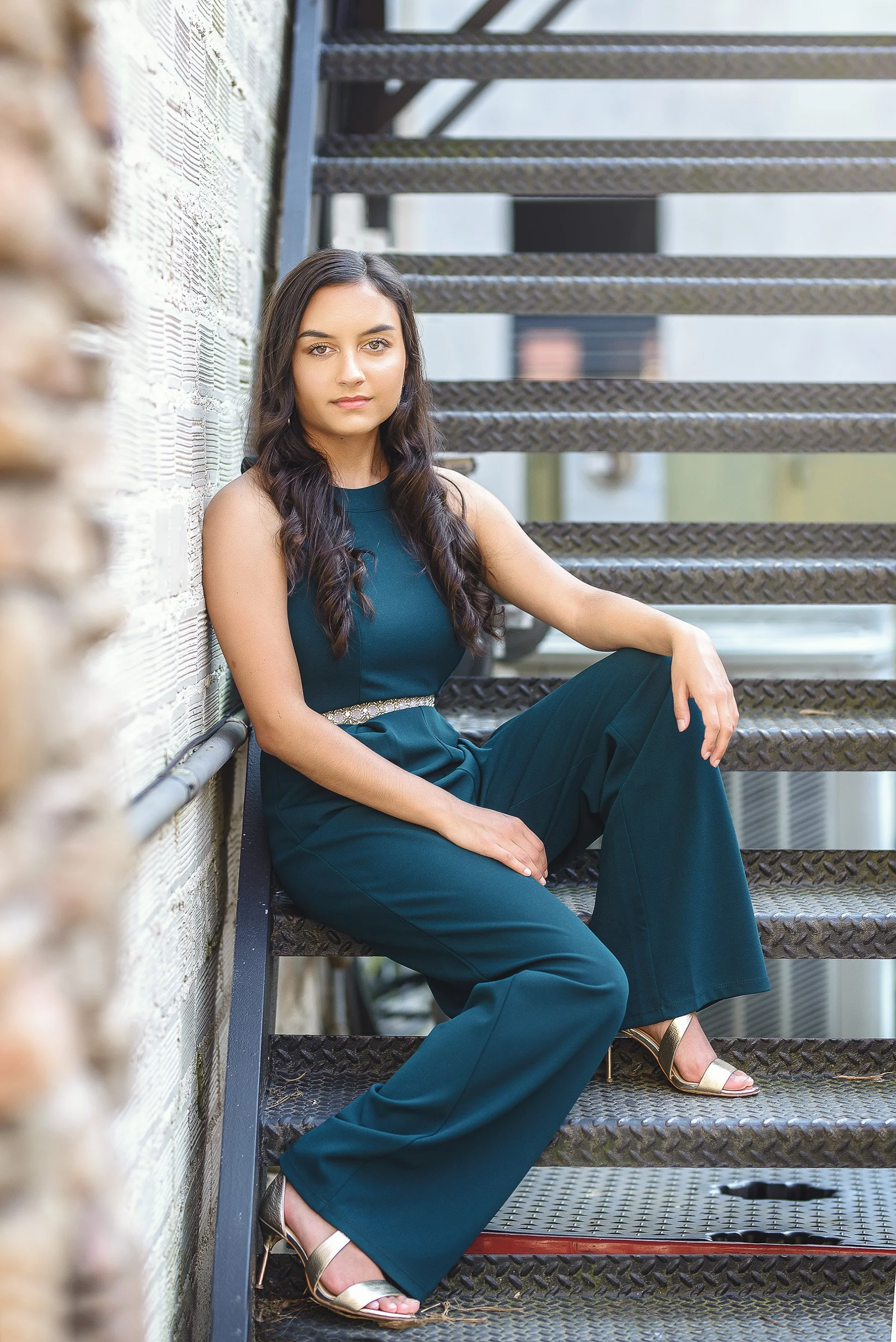
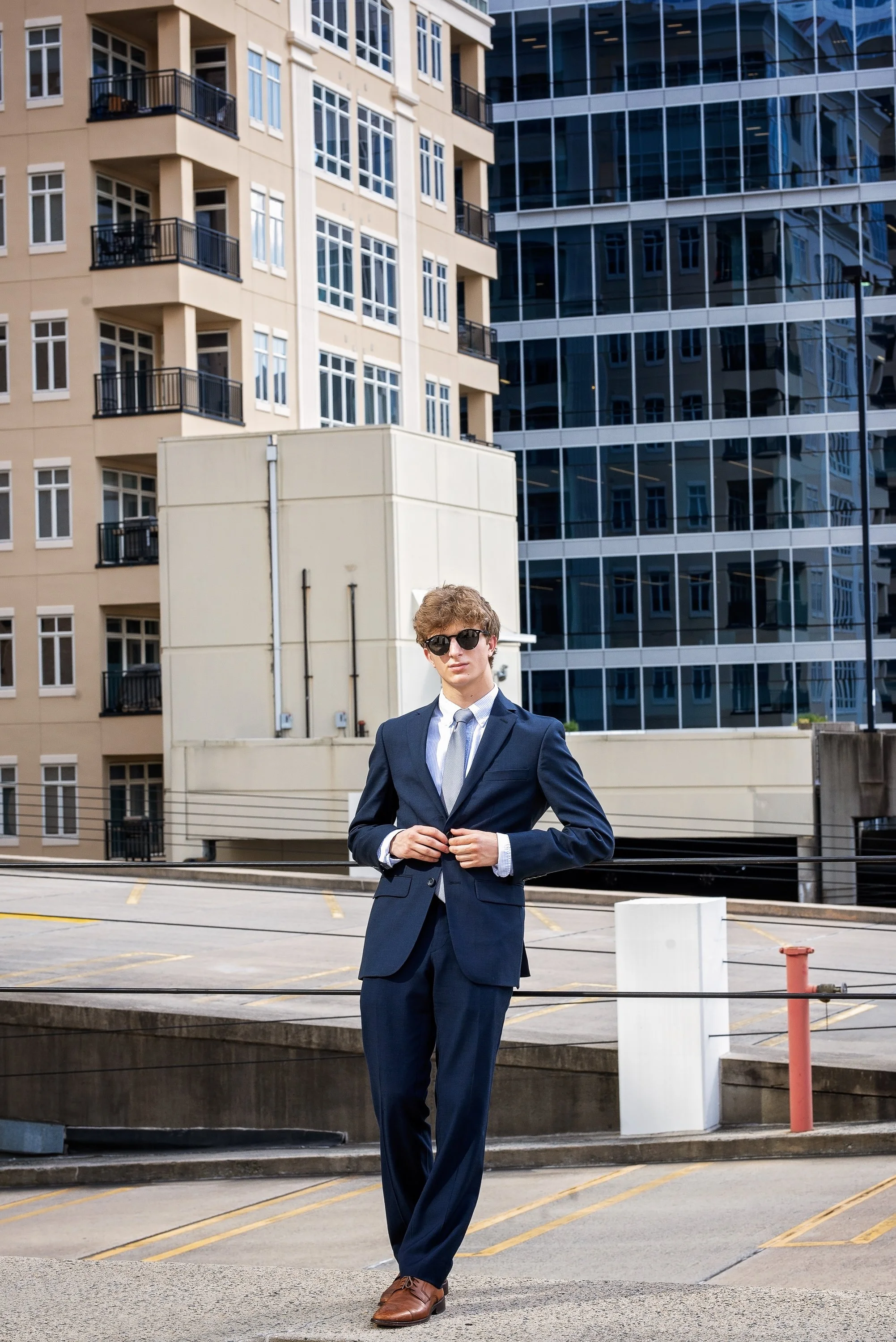
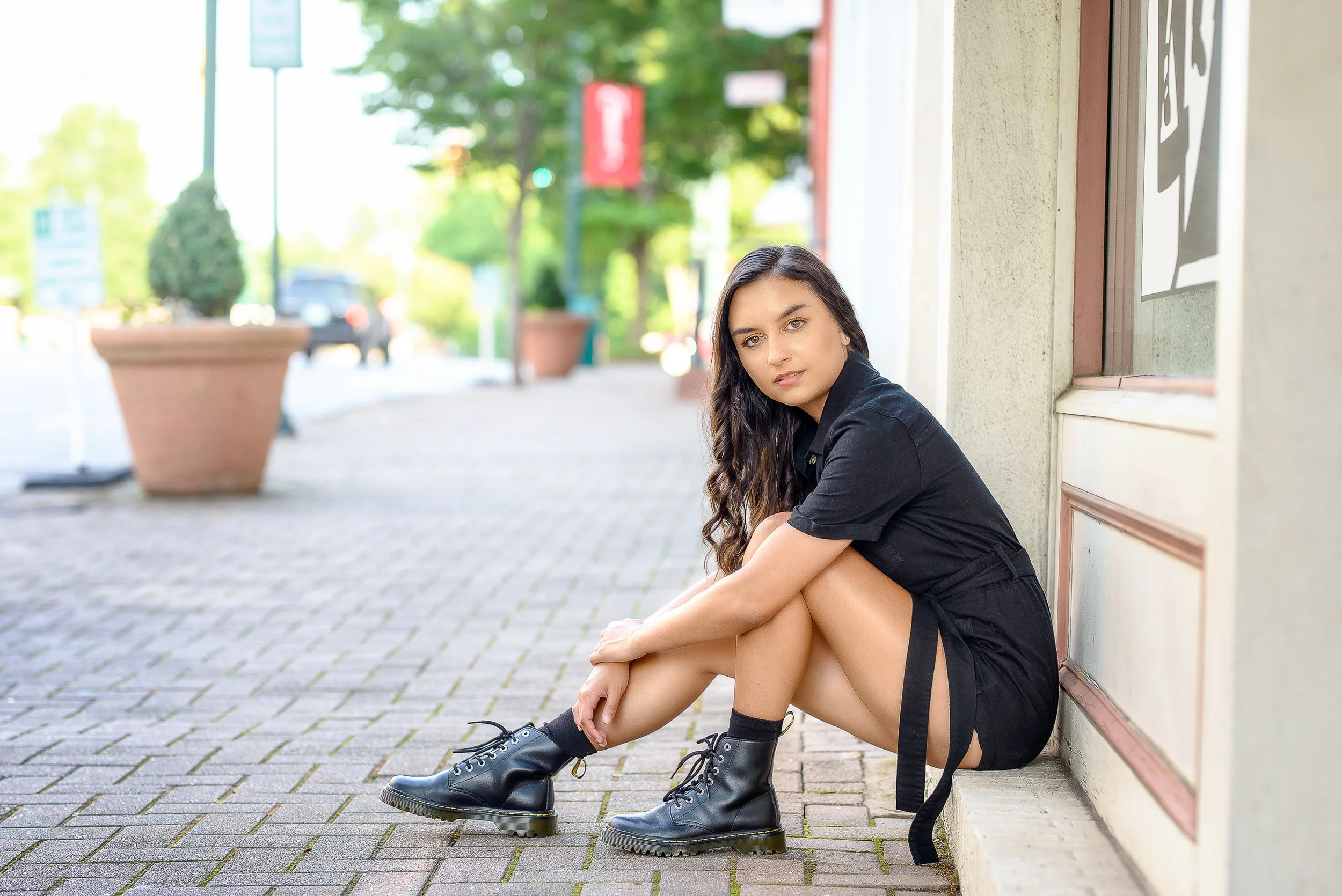
Downtown areas, alleys, and architecture feel modern, bold, and editorial
Studios feel clean, controlled, and design-forward
There’s no “better” option — just what fits your vision best.
Consider Variety (You Don’t Have to Pick Just One)
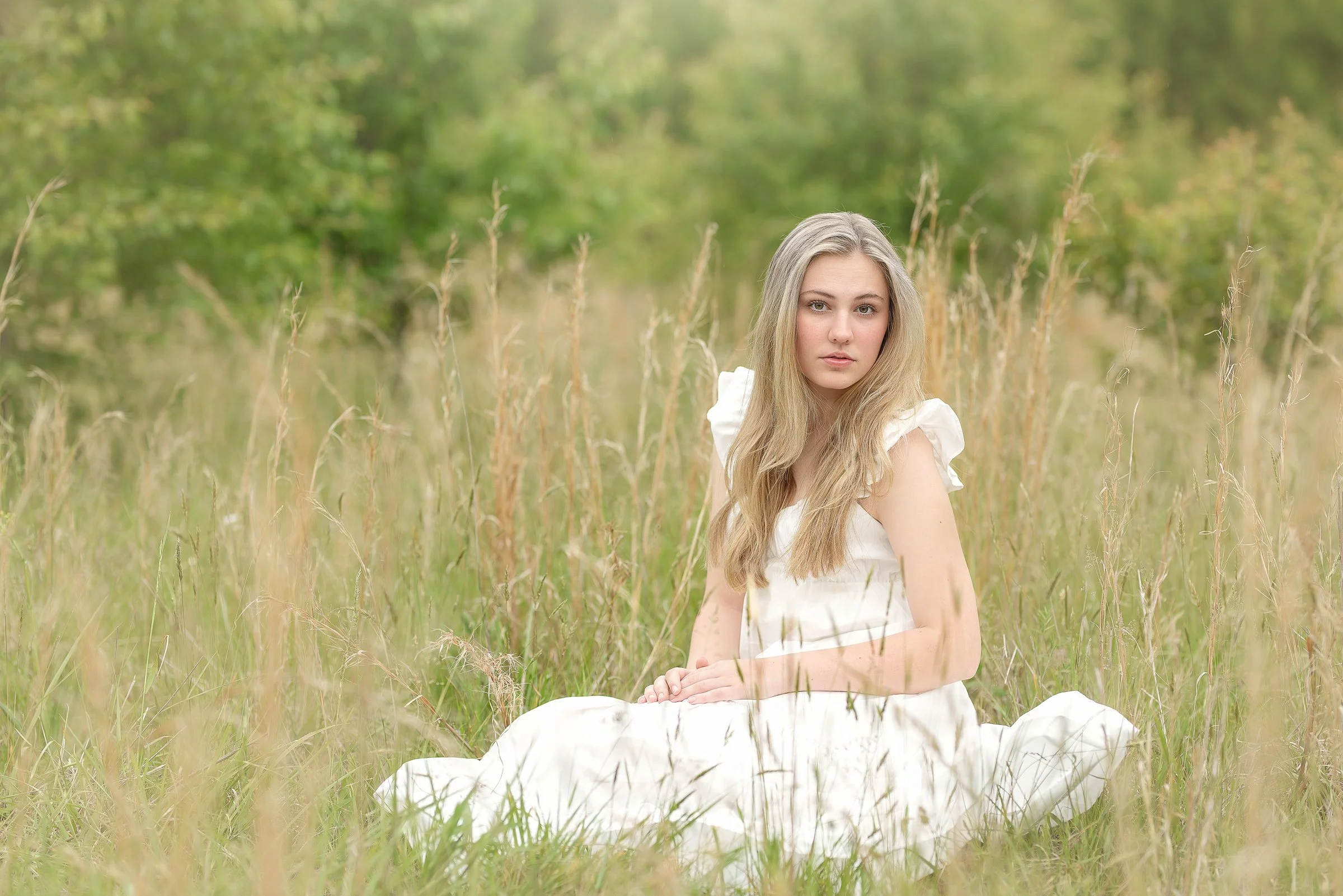
Many senior sessions work best when we combine locations.
For example:
An urban area paired with a nearby field
A garden followed by a studio session
Downtown portraits finished with sunset light
This gives you a gallery with range while still feeling cohesive. I very frequently split sessions over multiple days to get the most out of your portraits!
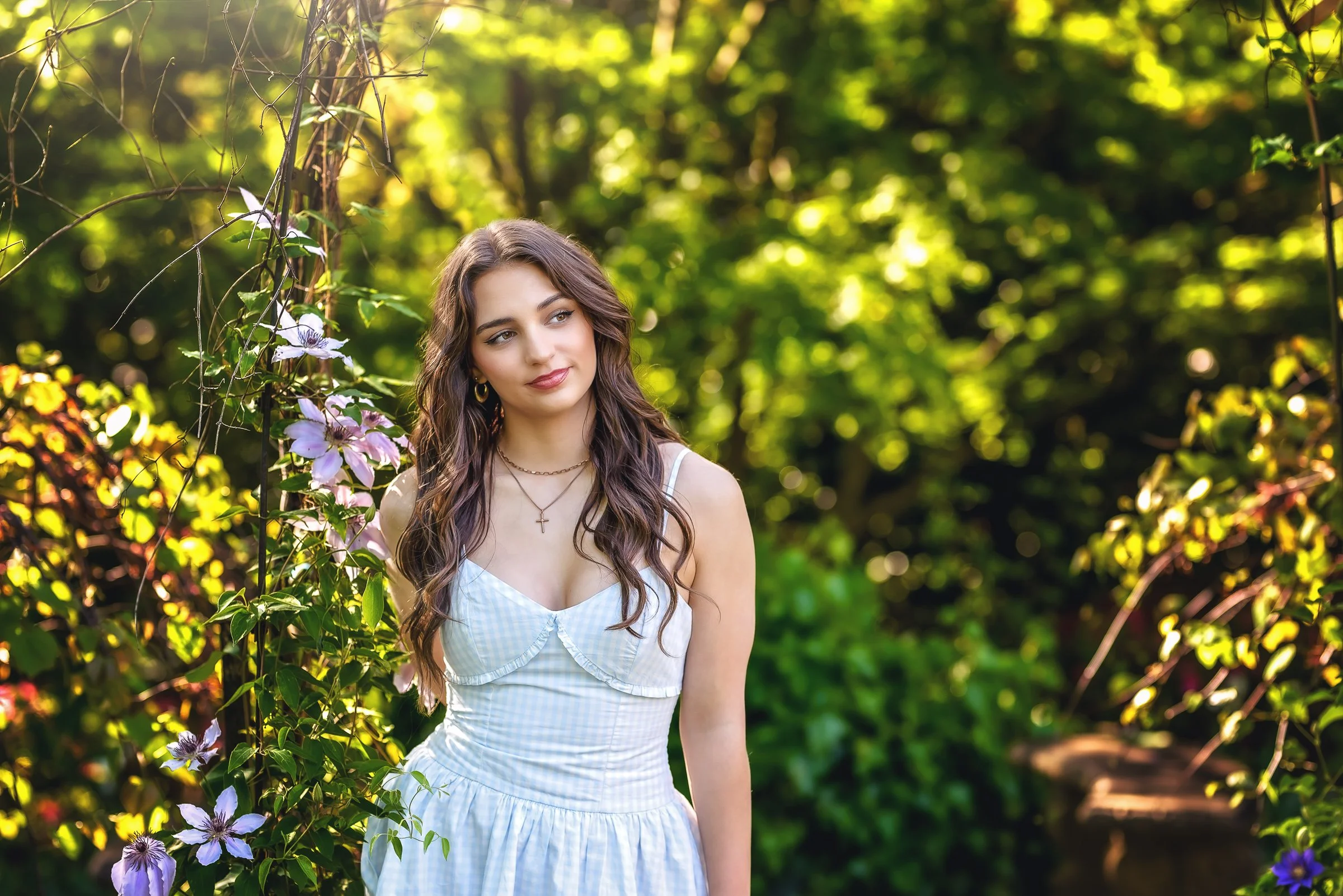
Don’t Forget Practical Factors
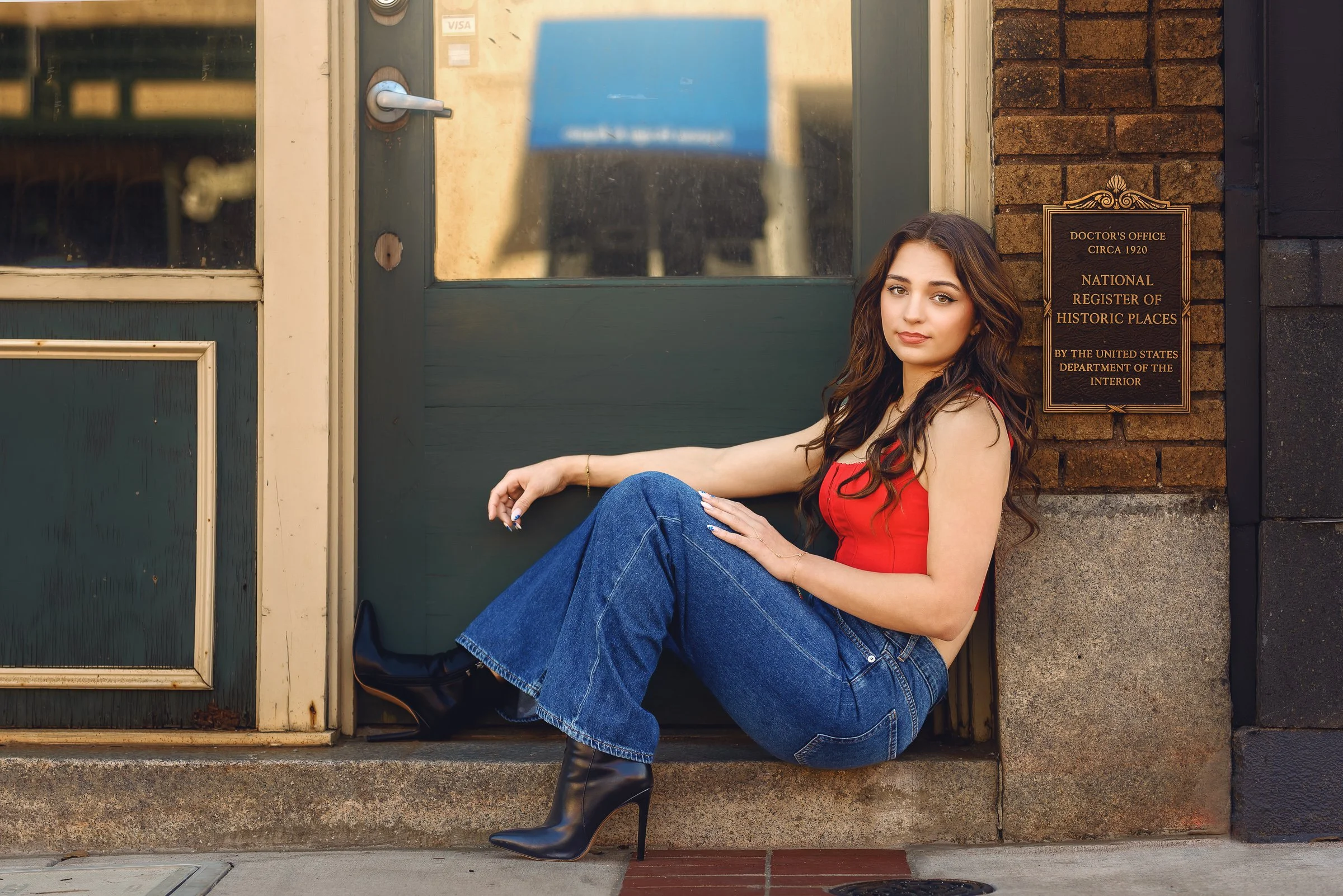
Some locations look great online but don’t always translate well in real life.
Things to consider:
How crowded a location gets
Parking and walking distance
Whether outfit changes are easy
Time of day and available light
Seasons change how green grass and trees look even from spring to summer. Nobody likes dead winter foliage!
A beautiful location only works if we can use it comfortably and creatively within the vision you have
Trust Your Photographer’s Experience
Part of my job is knowing how locations photograph, not just how they look in person. I pay attention to light direction, seasonal changes, and how spaces feel on camera — not just what’s trendy.
If you’re torn between a few options, that’s completely normal. We’ll talk through what fits your style, your session goals, and your comfort level so the location supports the experience instead of complicating it.
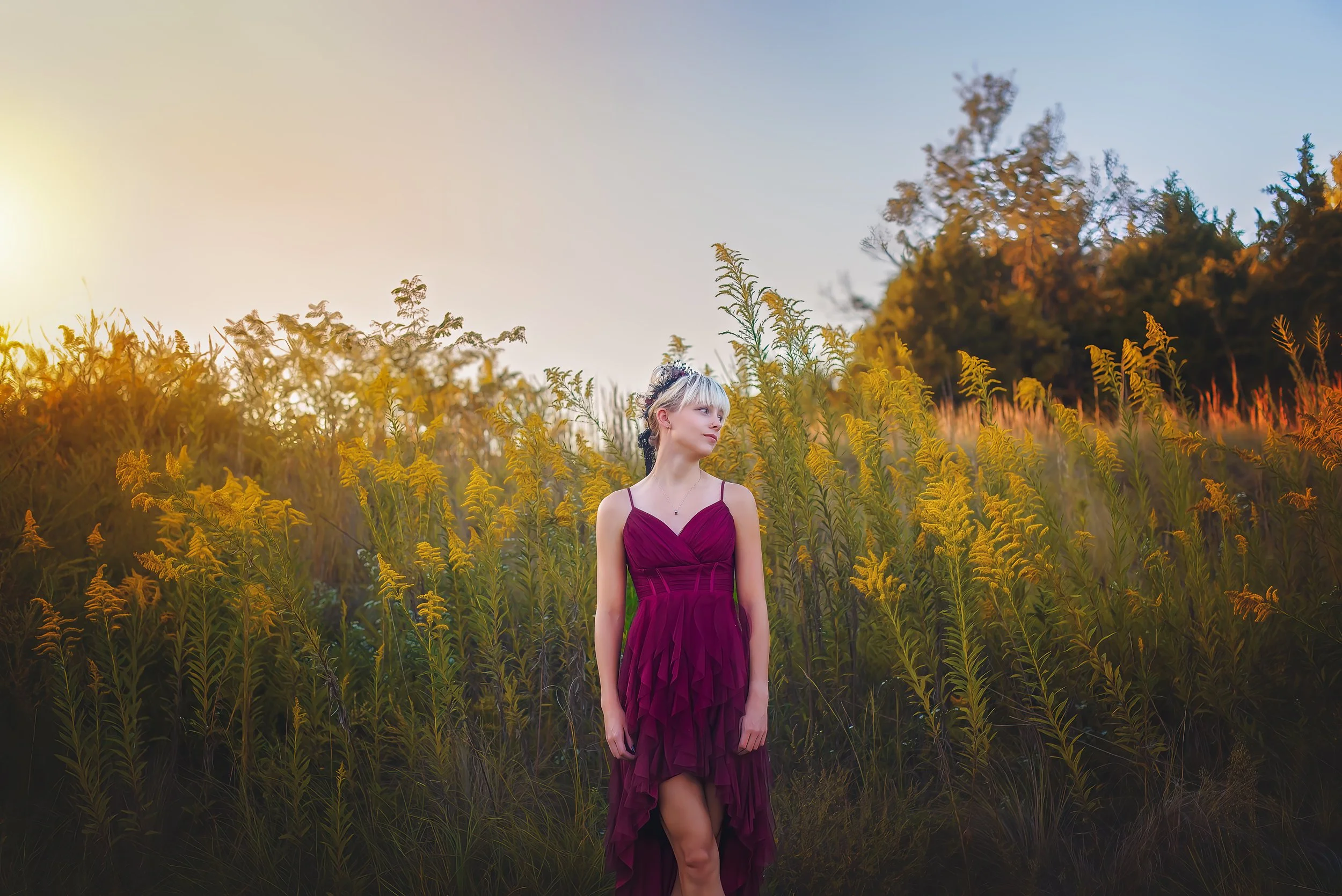
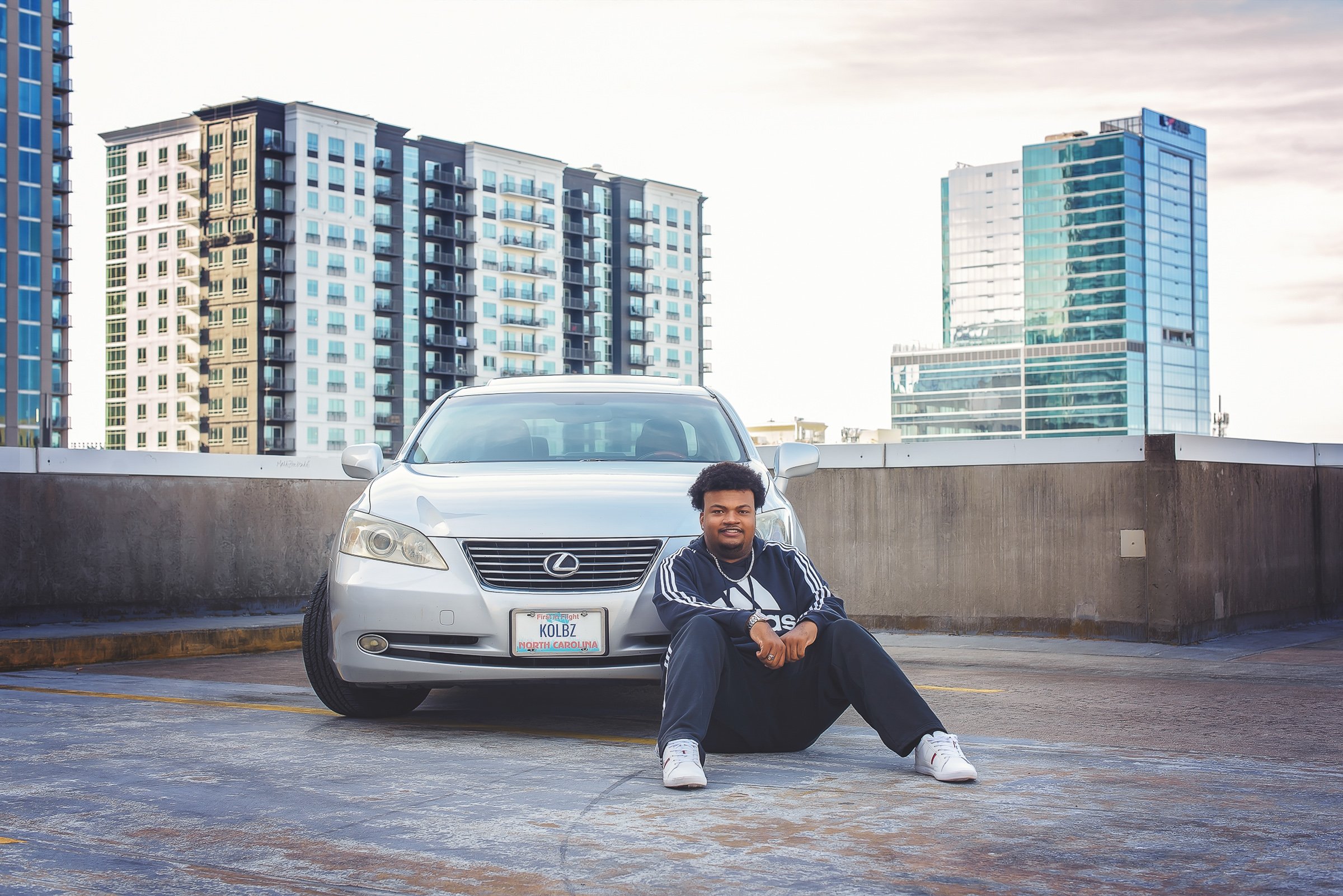
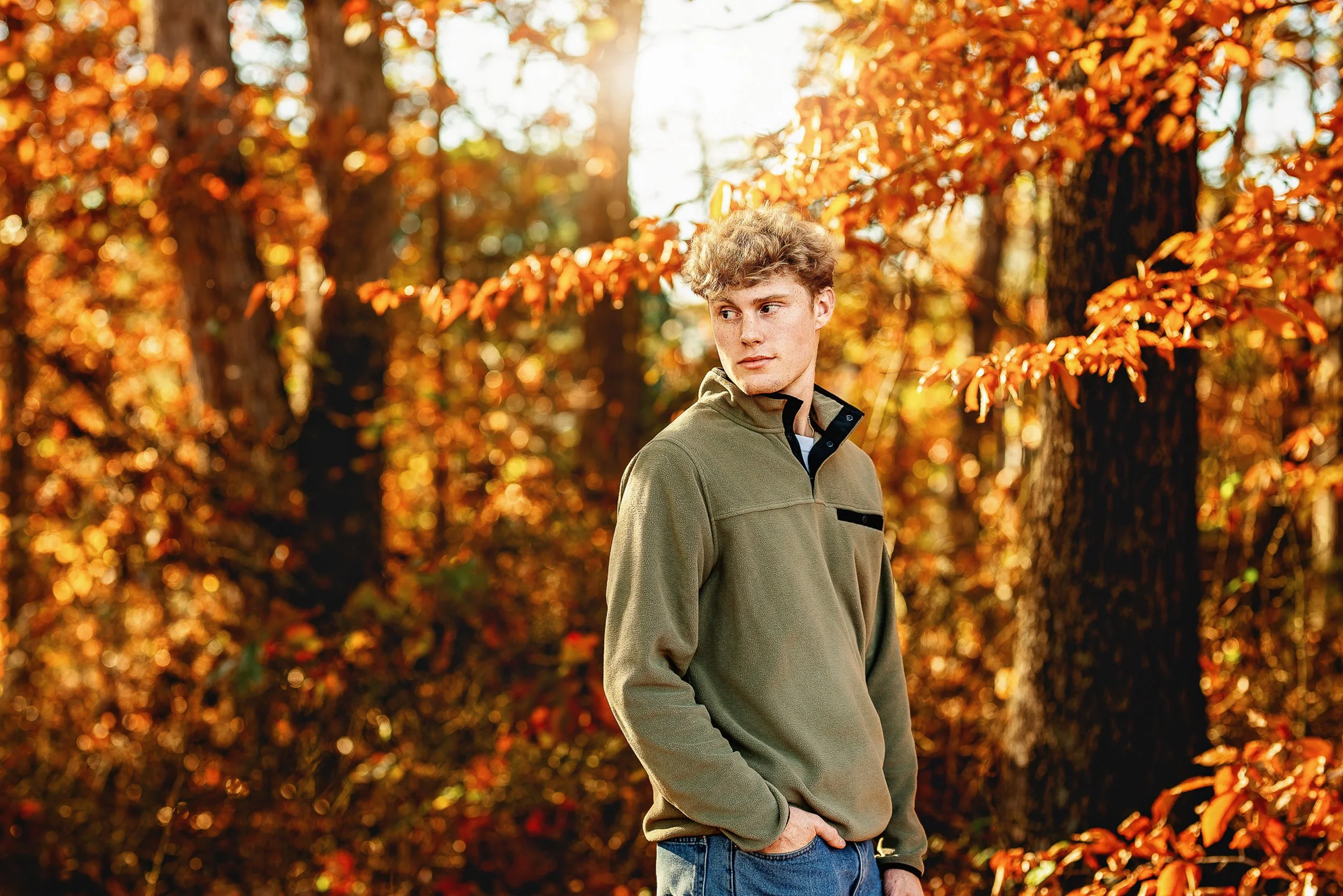



The Bottom Line
The best senior portrait locations:
Reflect who you are
Match the mood you want
Complement your outfits and styling
Allow space to relax and be yourself
When those things line up, the photos feel effortless — and that’s when the magic happens. Want help choosing the perfect location for your senior session? You can learn more about my senior portrait experience HERE.

What to Wear for Senior Pictures (Girls Edition)
Not sure what to wear for your senior photos? This guide breaks down flattering colors, outfit ideas, accessories, and styling tips—with a focus on personality, confidence, and creating images that feel authentically you
A personality-first, confidence-centered style guide for unforgettable senior photos
Choosing what to wear for senior photos is one of the most exciting parts of planning your session—but it can also feel overwhelming. Outfits matter not because they need to be trendy or perfect, but because the right clothing helps you feel confident, comfortable, and completely yourself. And when you feel good, that energy shows in every image.
This guide breaks down the most flattering outfit ideas, styling tips, and creative approaches for girls preparing for their senior session—outdoors, downtown, in studio, or a little of everything.
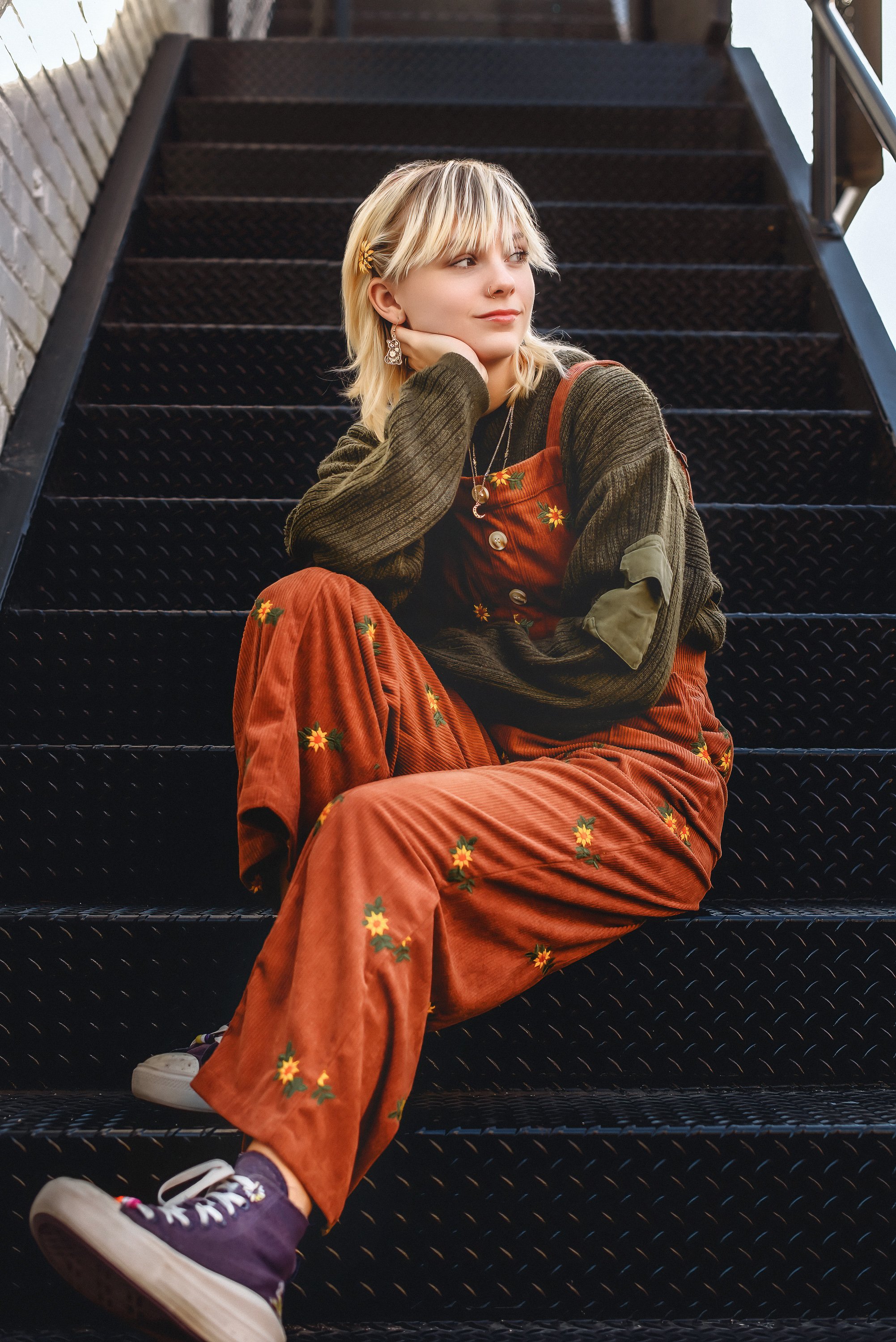
1. Wear What Feels Like You
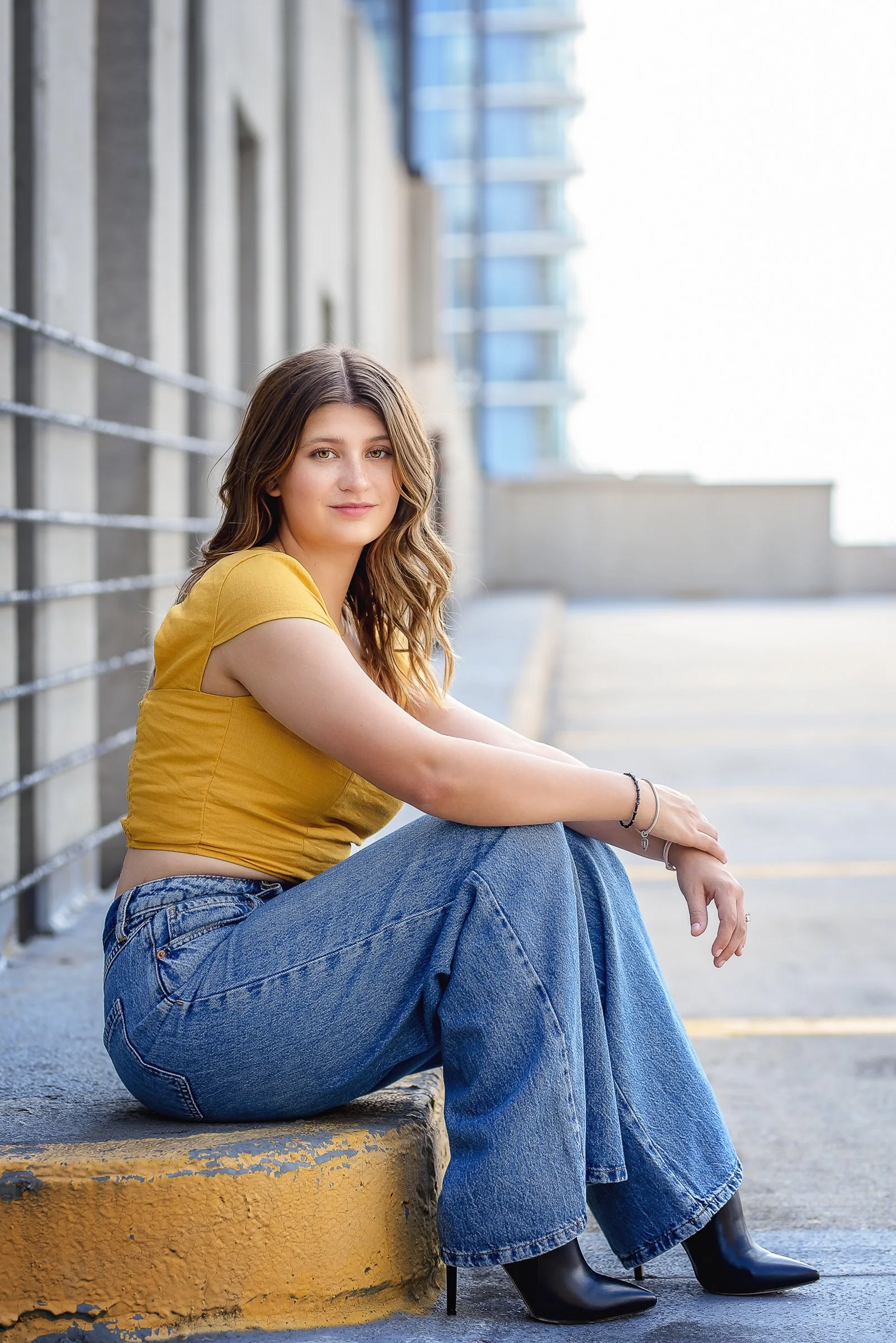
The best senior photos happen when you wear clothing that reflects your personality. Inspiration boards are great for discovering the styles you’re drawn to, but the goal is never to recreate someone else’s look—it’s to elevate yours.
Ask yourself:
What outfits make me feel the most confident?
What do I actually love wearing day to day?
Am I drawn to soft and feminine? Bold and modern? Casual and laid-back?
What feels like my signature?
When you choose clothing that feels authentic, your expressions relax, your movement looks natural, and the images feel timeless.
2. Choose Colors That Photograph Beautifully
Some colors translate especially well on camera:
Always flattering:
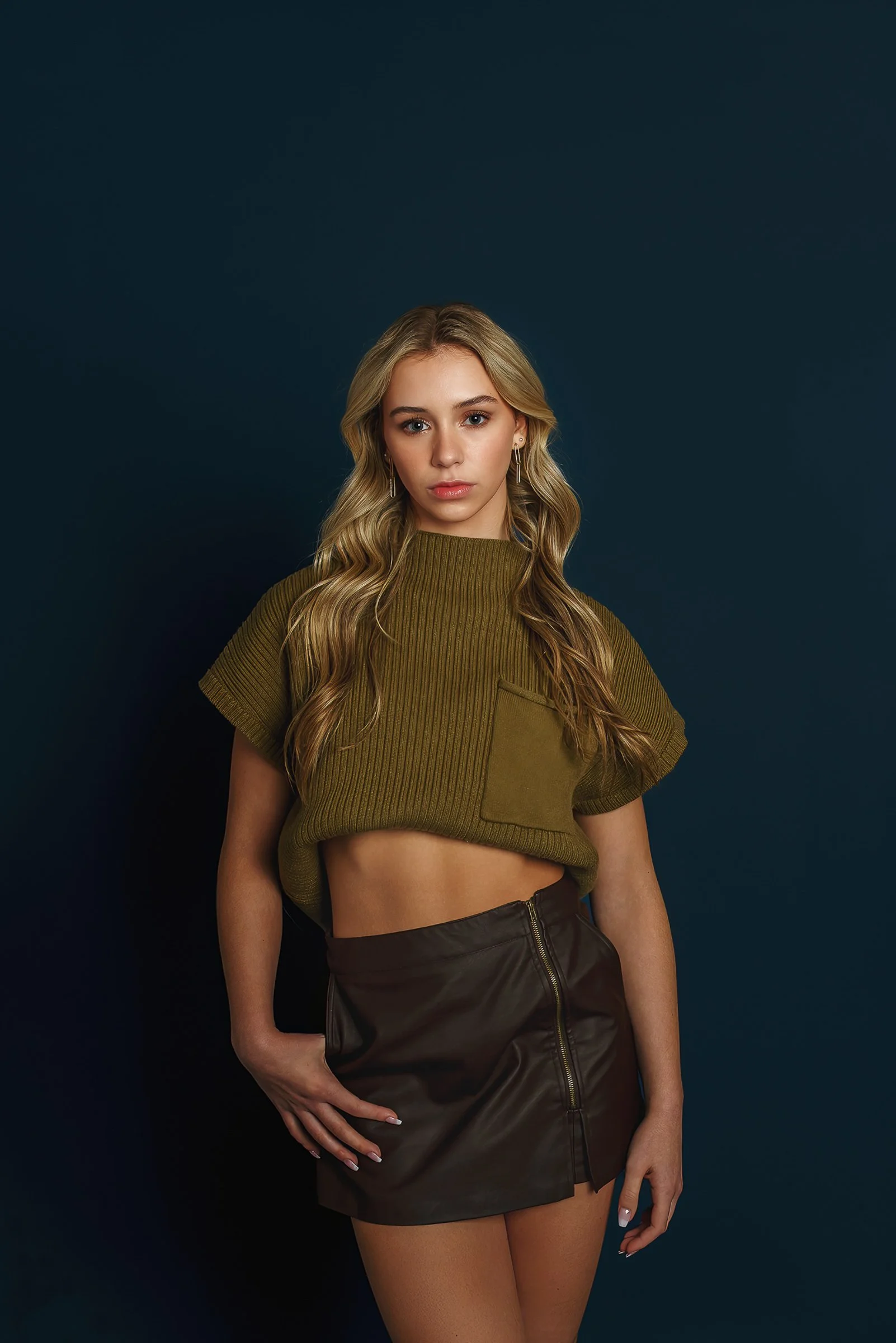
Earthy tones (tan, rust, olive, caramel, warm brown)
Soft neutrals (cream, beige, ivory, gray)
Dusty pastels (muted pink, lavender, soft blue)
Jewel tones (emerald, burgundy, plum, navy)
Use thoughtfully:
Neons (they cast color onto skin)
Tiny busy patterns
Pure white in bright sun (can blow out highlights)
If you're torn between options, feel free to send me photos—I love helping with this part.
3. Mix Up Your Outfits for Variety
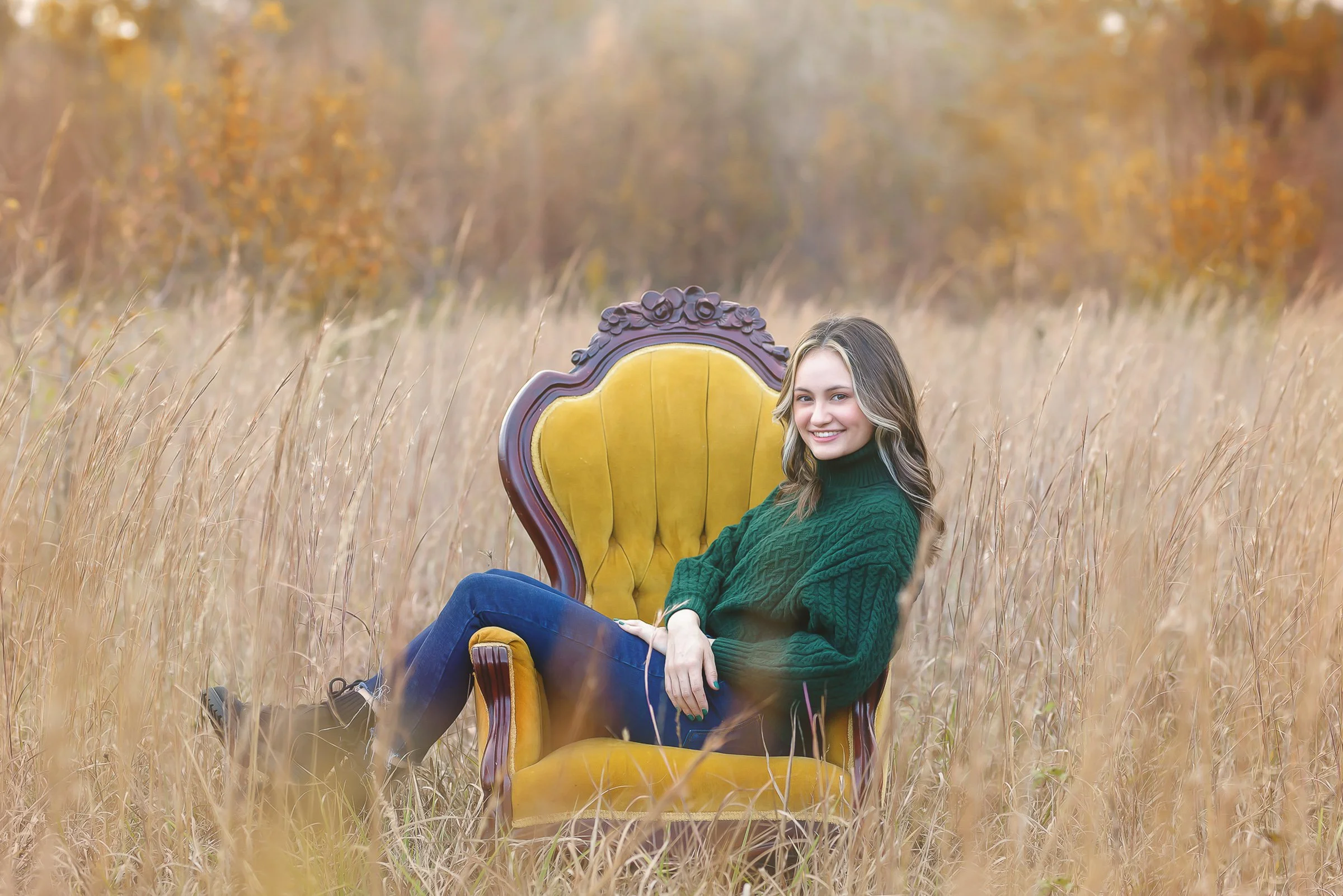
Most seniors look best with 2–3 outfits that show different sides of their personality:
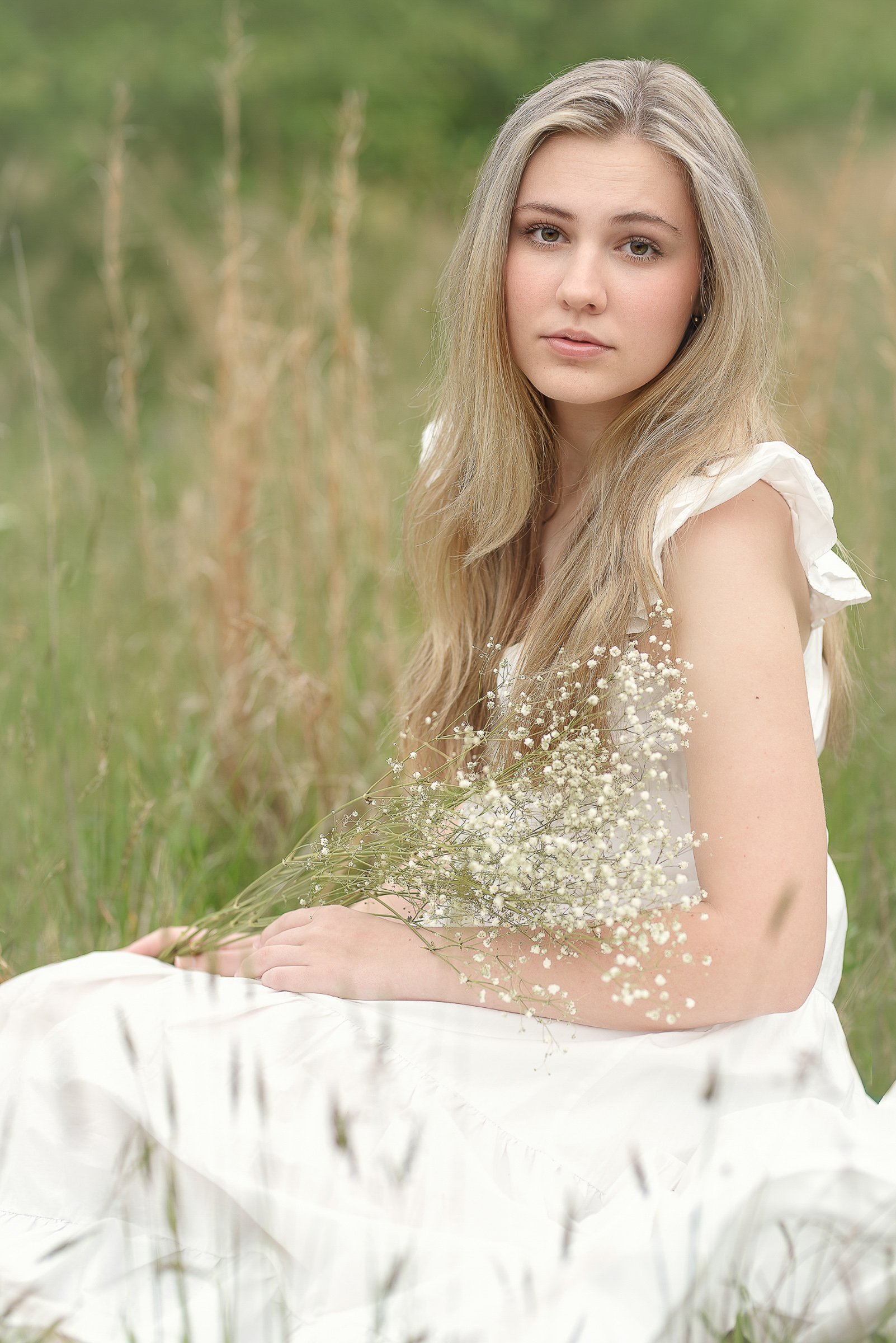
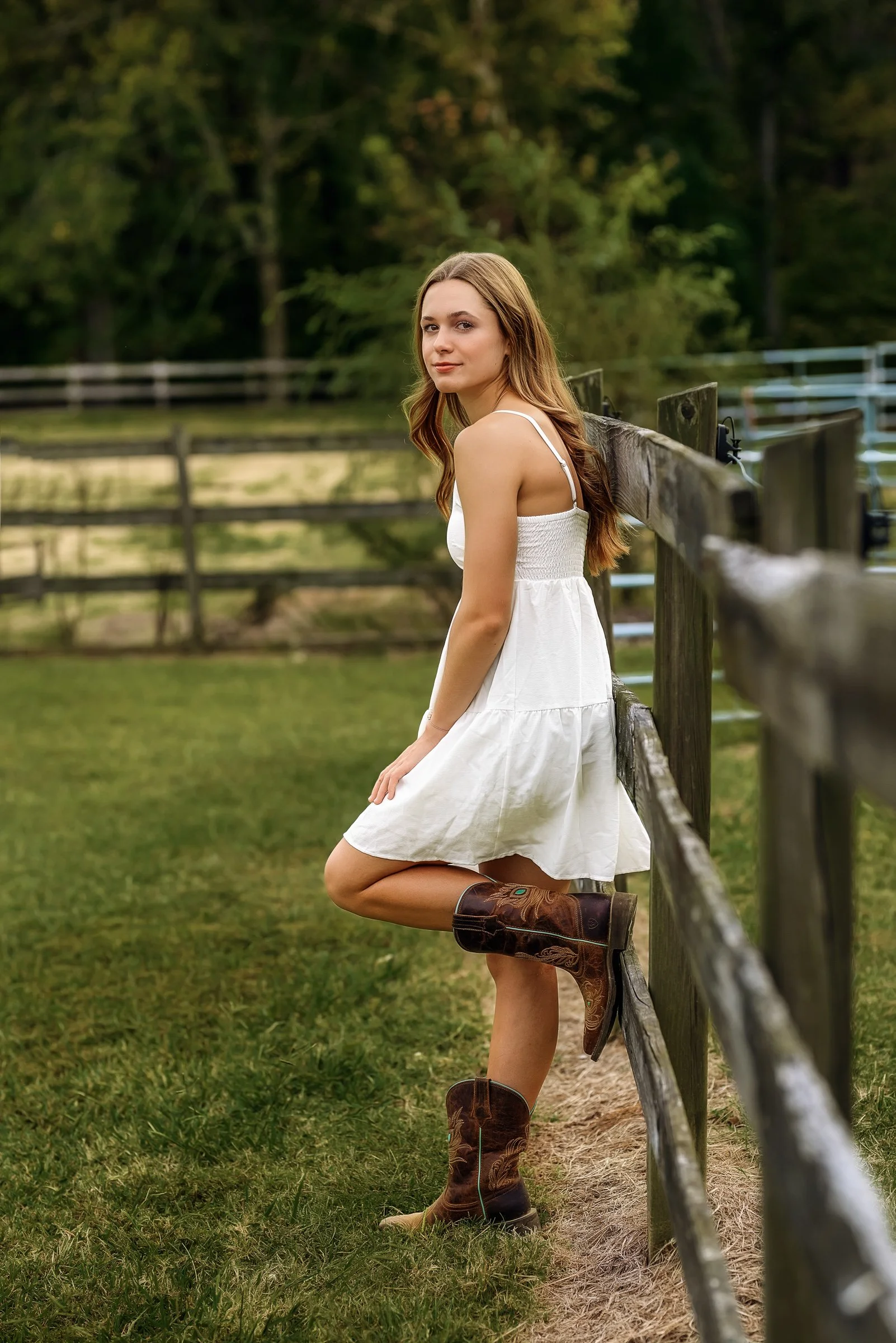
A flowy dress or pretty top (soft, feminine)
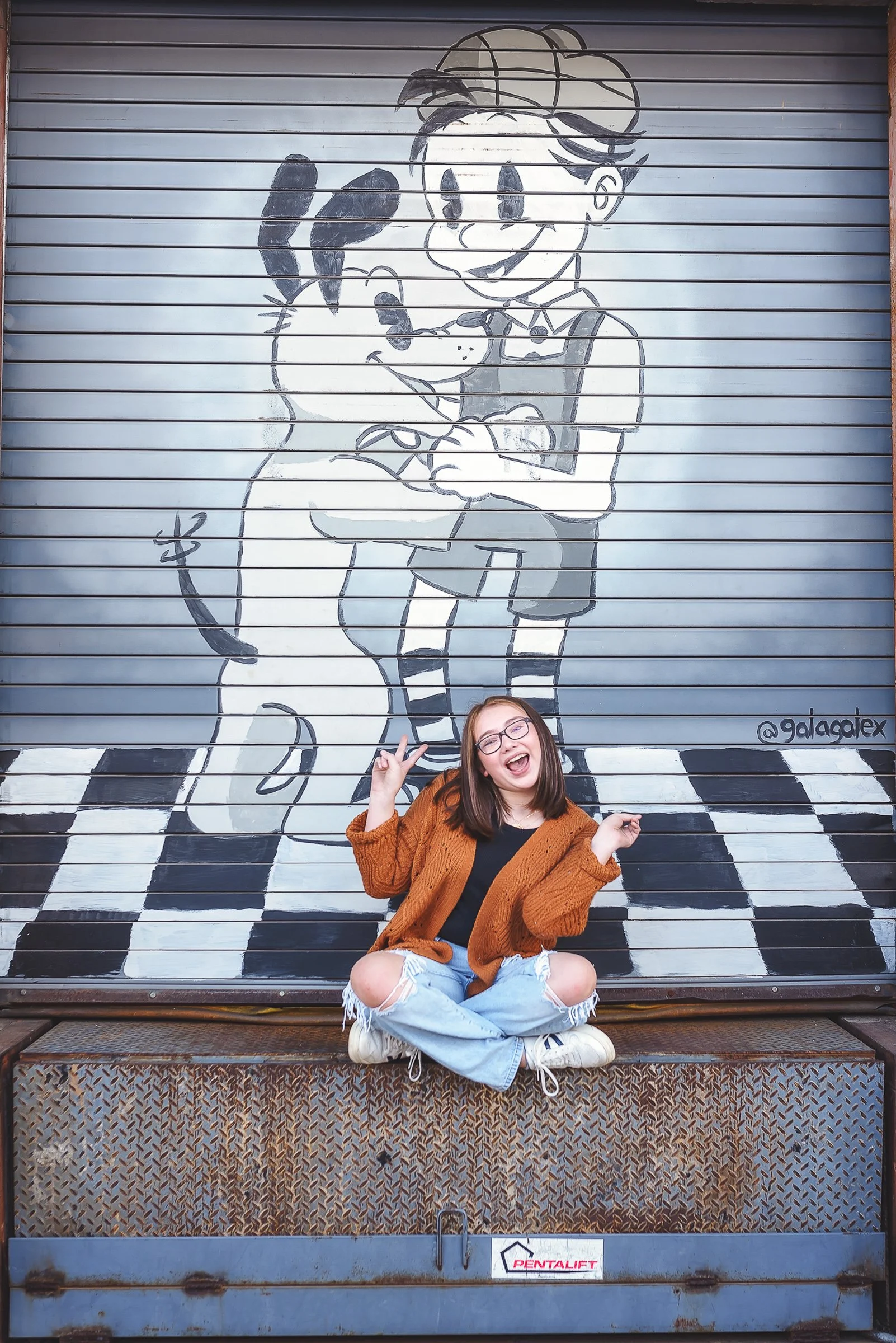
A casual outfit like jeans + a great tee or sweater
A bolder, fashion-forward option
Optional: something meaningful (letterman jacket, uniform, dance outfit, instrument)
Small changes in clothing can dramatically shift the energy of your photos.
4. Think About Outfits and Location—But Don’t Be Afraid to Break the Rules
Outfits and locations often flow beautifully when they complement each other:
Neutrals in a golden field
Denim and earth tones in natural settings
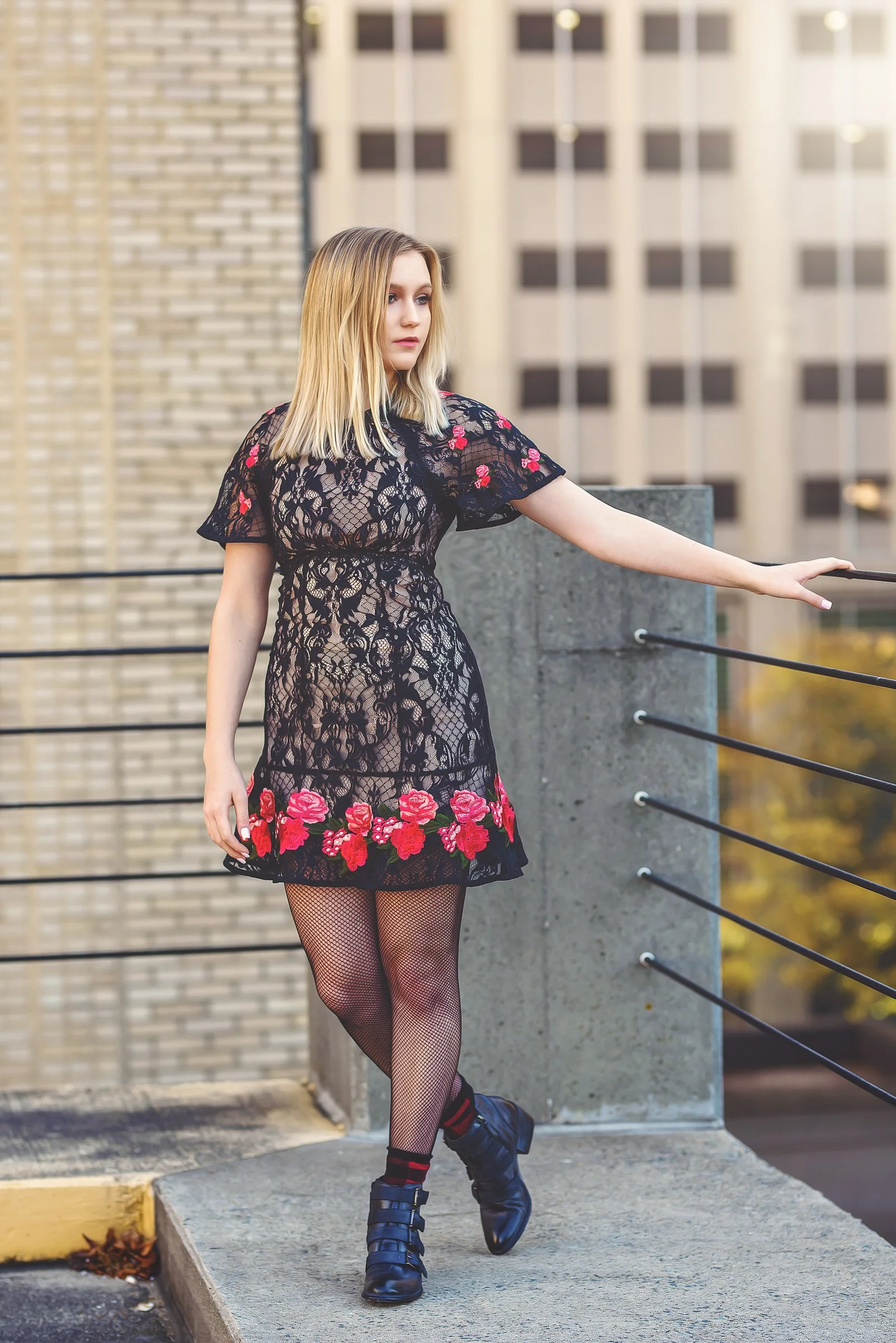
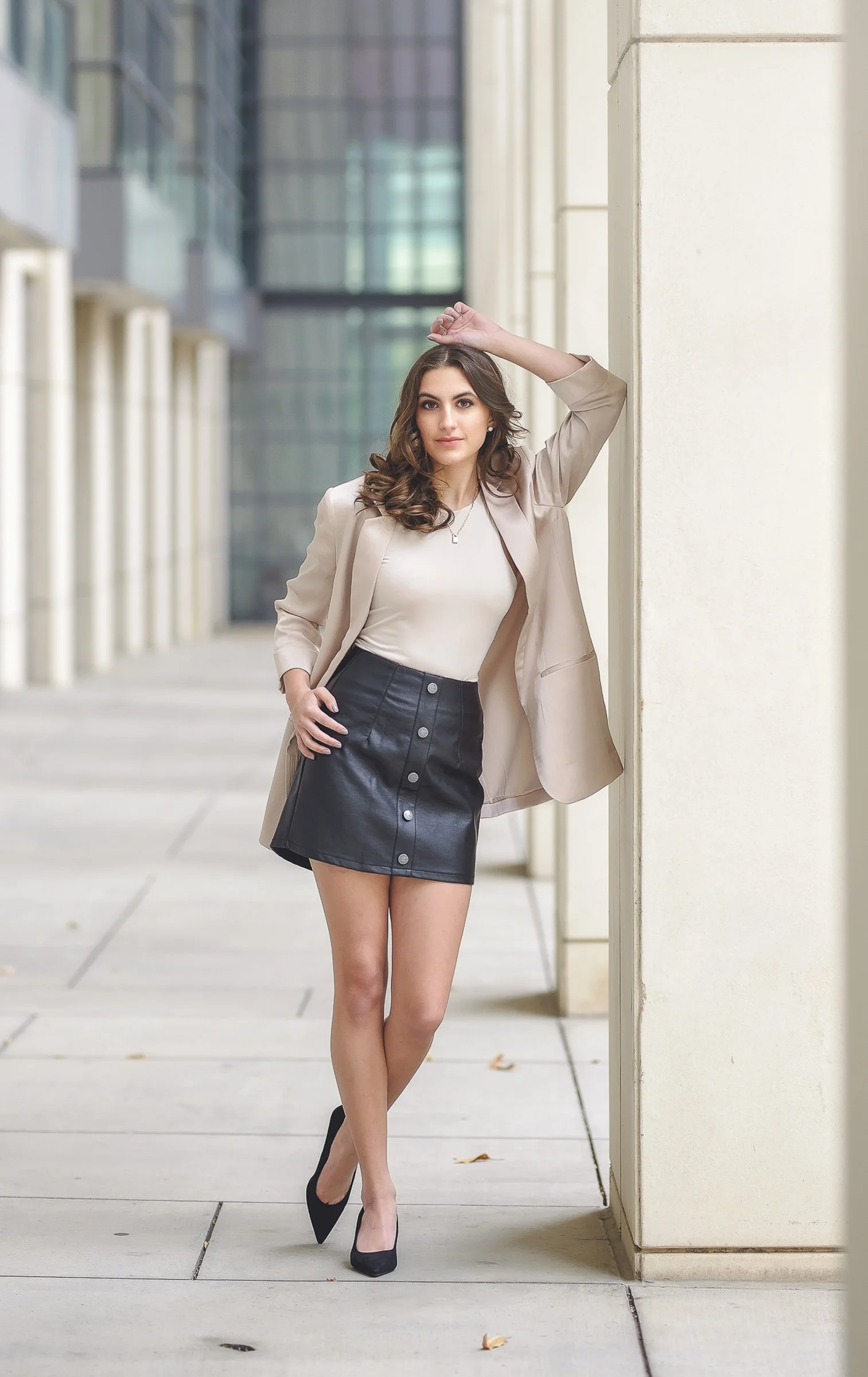
Trendy, structured outfits downtown
Clean, simple pieces in the studio
But contrast can be unbelievably striking, too.
A prom dress in an overgrown field
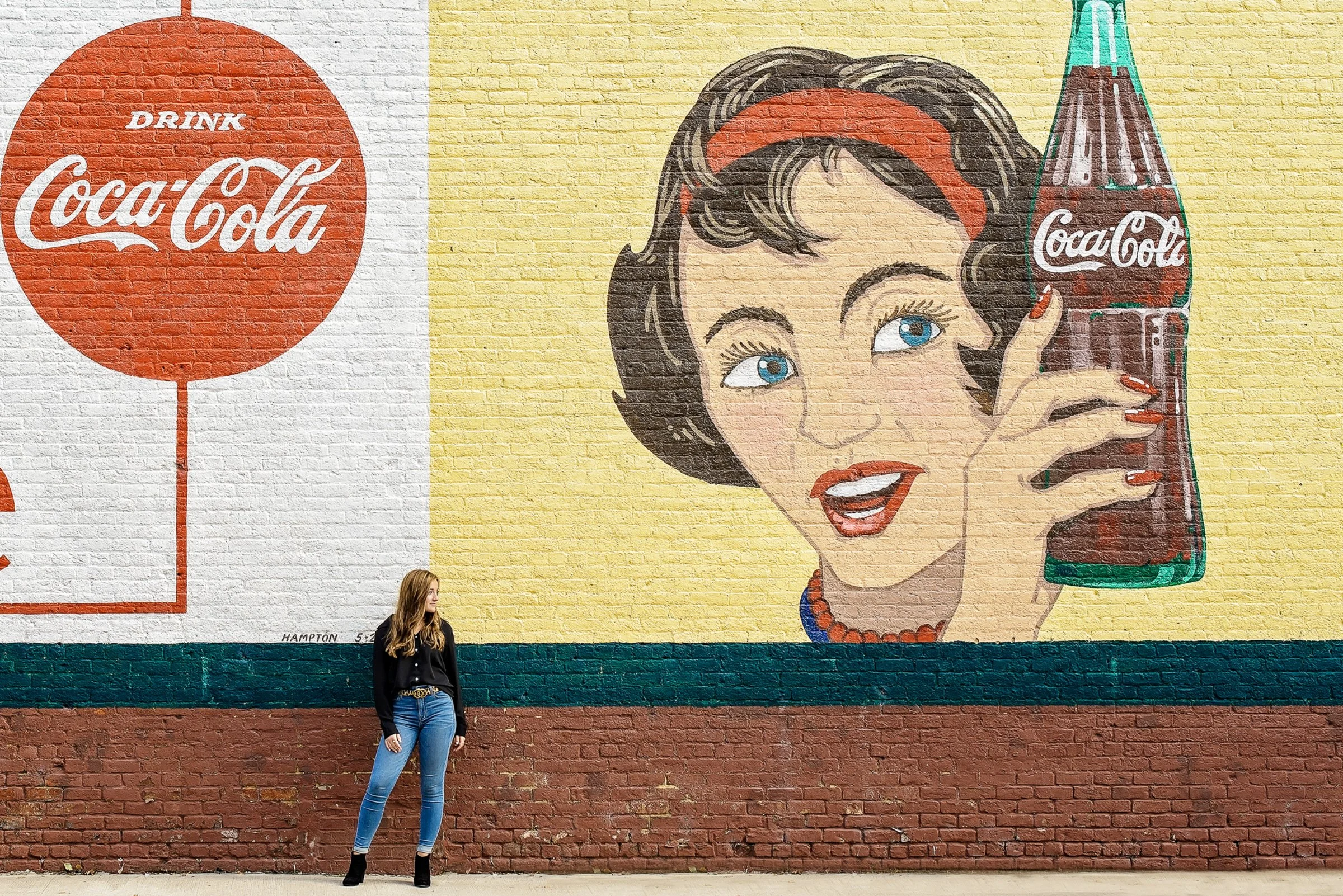
Jeans and a white tee in a gritty urban alley
Soft dresses in industrial environments
Vibrant colors against muted backgrounds
If a look speaks to you—even if it doesn’t “match”—we can make it work in a way that feels intentional and elevated.
5. Choose Silhouettes That Feel Good and Move Well
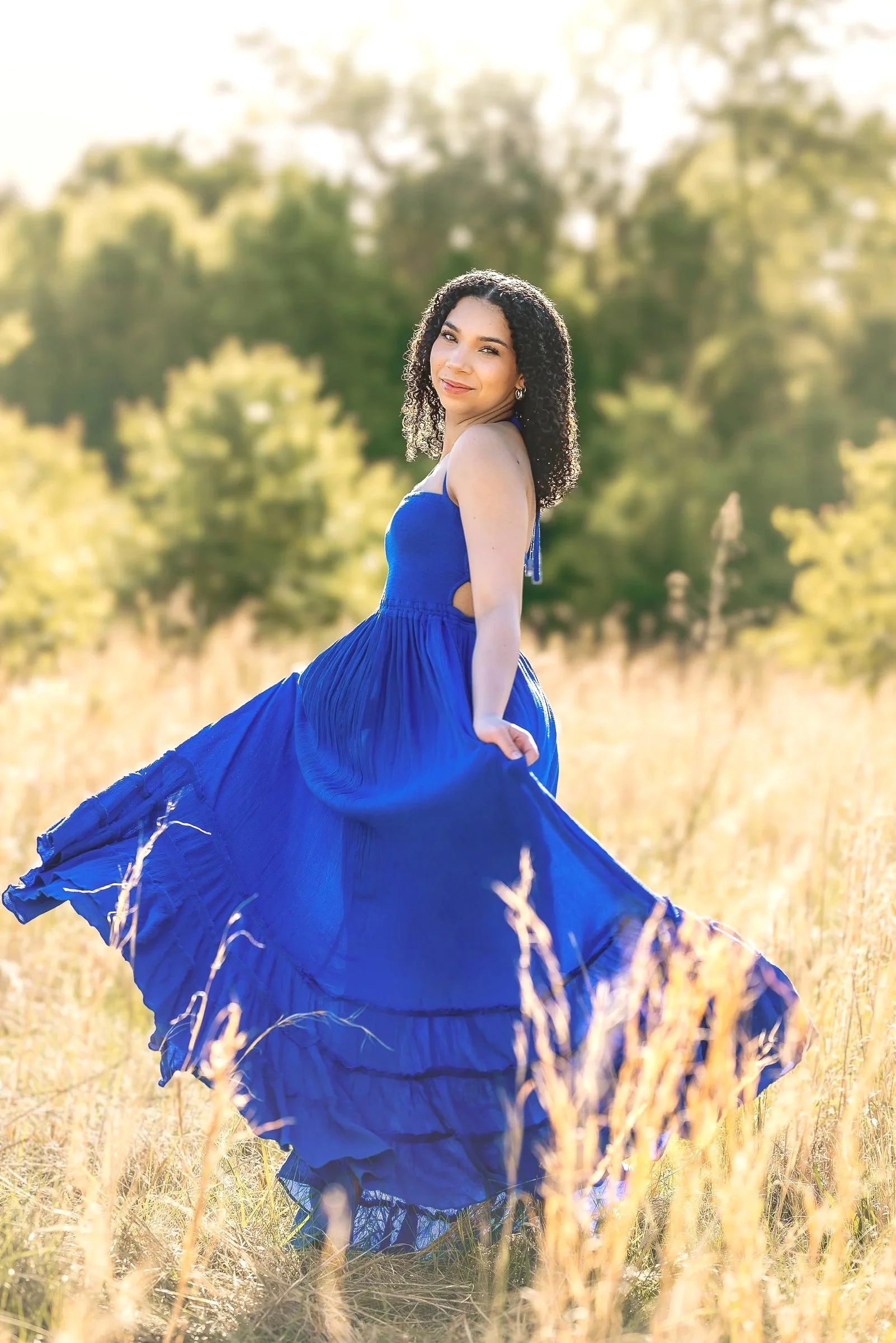
Movement photographs beautifully. Clothes that flow, drape, or have texture translate well on camera.
Great options:
Flowy dresses
Draped fabrics
Soft sweaters
Layered looks
Clothes with light structure
Avoid:
Outfits that need constant adjusting
Stiff fabrics
Dresses that feel too short to sit comfortably
Your comfort is always the priority.
6. Shoes Matter More Than You Think
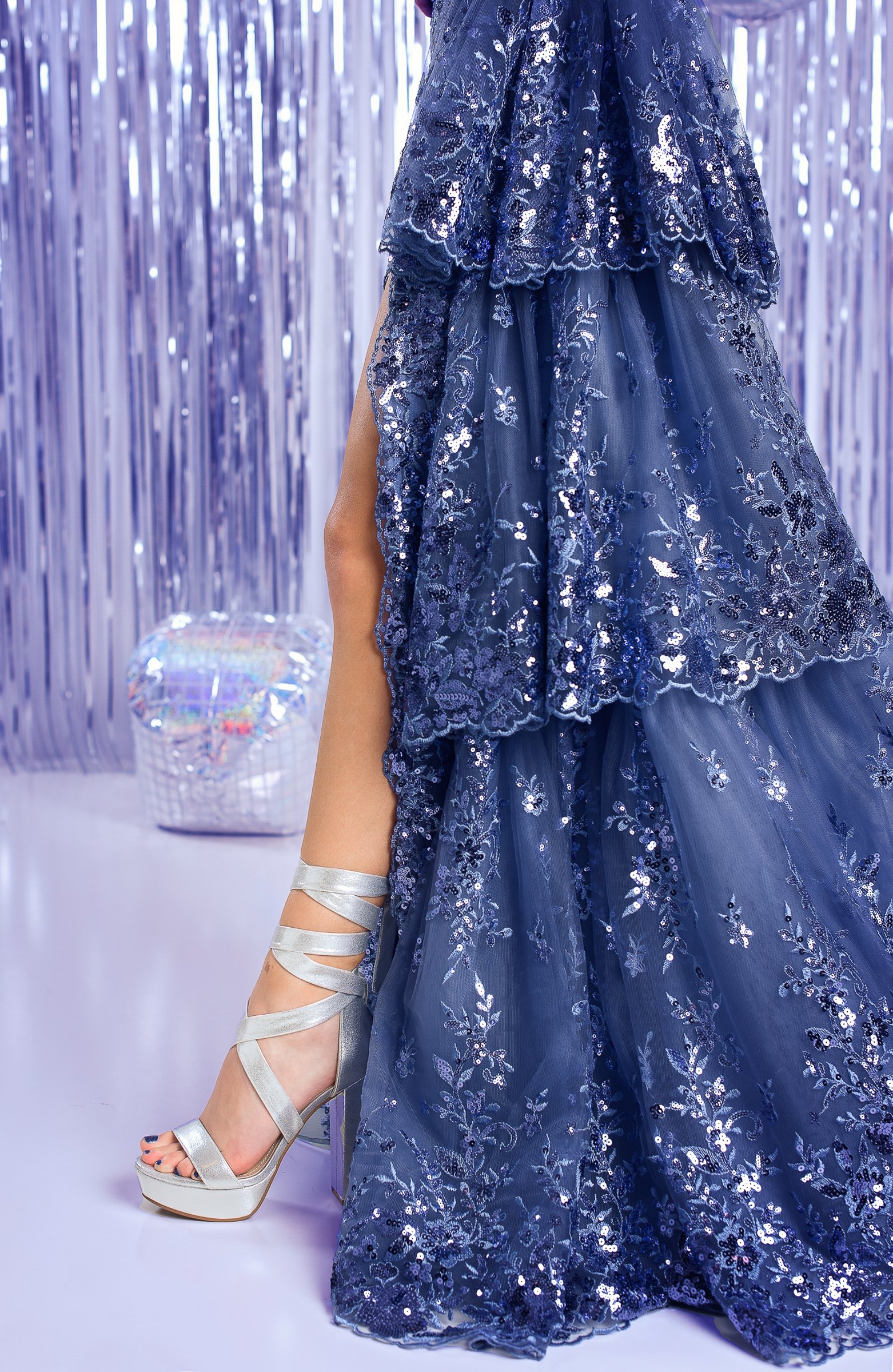
Shoes complete the outfit and definitely show up in the photos.
Great choices:
Neutral sandals
Clean sneakers
Booties
Simple heels
But—if bright sneakers, chunky boots, or quirky shoes are part of your personality, bring them. Authenticity > rules every time.
(And yes, you can bring walking shoes for in between spots.)
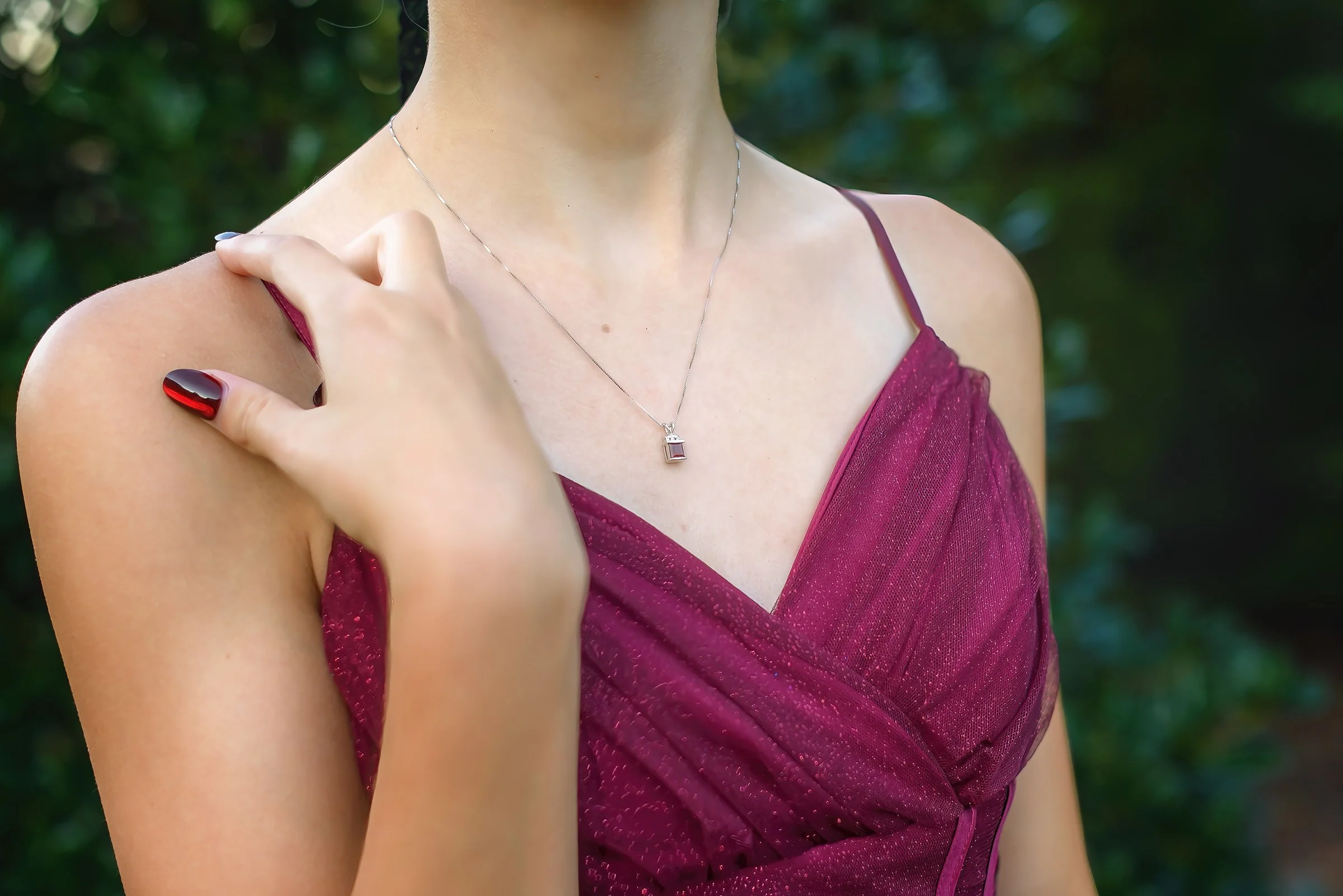
7. Accessories Should Highlight
You
Accessories can help elevate your outfits, but they shouldn’t overshadow you—unless bold accessories are your thing.
If you prefer simple:
Studs or small hoops
Delicate necklaces
Subtle rings
If you love big jewelry or statement pieces:
Bring them.
Layered necklaces, oversized earrings, fun socks, rings, hats—these details show who you are and add personality to your photos.
I want your session to feel like your style, not a set of rules.
Whatever it is, the way you tell your story online can make all the difference.
8. Hair, Makeup, and Nails Matter (But Don’t Overthink Them)
This is a big one. I get a lot of girls who either don’t wear makeup at all or very minimal. Sometimes clients want to go all out and do a complete makeover BUT if that’s not your jam, you don’t need professional hair and makeup—just a little polish. While a professional MUA can certainly glam you up and perfect every makeup style you want to achieve if you want to stay a minimal makeup girlie for your session I support you 100%. I promise either way you will look amazing and absolutely like the best version of yourself.
Tips:
Brush or style hair so it feels intentional
Avoid hair ties on wrists
Keep nails neat; neutral colors photograph beautifully
Bring lip gloss or lipstick for touch-ups
Skip heavy spray tans close to your session
Studio lighting especially loves clean, glowy, natural finishes.
9. Try Your Outfits On Ahead of Time
This small step makes a big difference.
Check for:
Undergarment visibility
Comfort when sitting, bending, or walking
Straps that stay put
Wrinkles that may need steaming
Pieces that shift too much
Bring everything on hangers and organized—it makes changes easier and keeps clothing looking fresh.
10. When You’re Unsure, Ask
I help seniors choose outfits all the time. If you want to send a few photos of what you’re considering, I’m happy to help you decide what will photograph best.
Your senior photos should feel like a celebration of who you are right now—and the outfits you choose are a beautiful way to express that.
Want more information on a Senior Session with me? Check it out on My Senior Info Page!

How to Choose a Senior Photo Location That Truly Feels Like You
Not sure where to take senior photos in the Charlotte area? This guide breaks down the best types of locations — fields, urban spots, parks, and more — and how to choose the one that fits your senior perfectly.
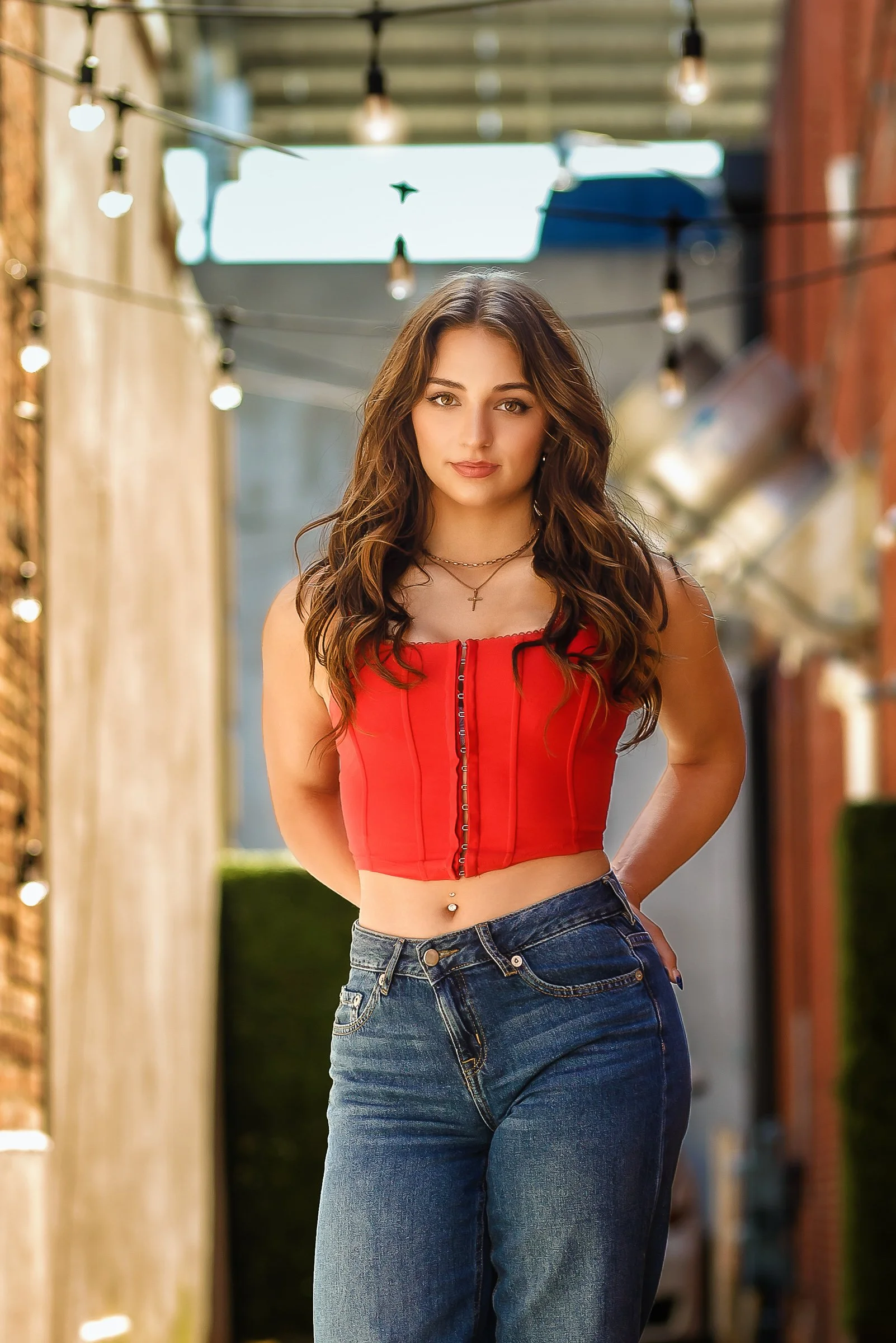
Choosing a location for senior photos isn’t about finding the most popular spot — it’s about finding a place that feels natural, meaningful, and aligned with who your senior is right now.
The best senior portraits happen when a senior feels comfortable and confident in their surroundings. Whether that’s an open field at golden hour, a quiet lakeside path, or an urban street with clean lines and texture, the location plays a huge role in how the final images feel.
This guide will help you think through location choices in a way that’s intentional, stress-free, and designed to create images that feel honest and timeless.
Start With How They Want to Feel
Before thinking about specific locations, start with the feeling you want your images to have.
Some seniors want their portraits to feel:
Calm and reflective
Bold and confident
Creative and expressive
Clean, modern, and polished
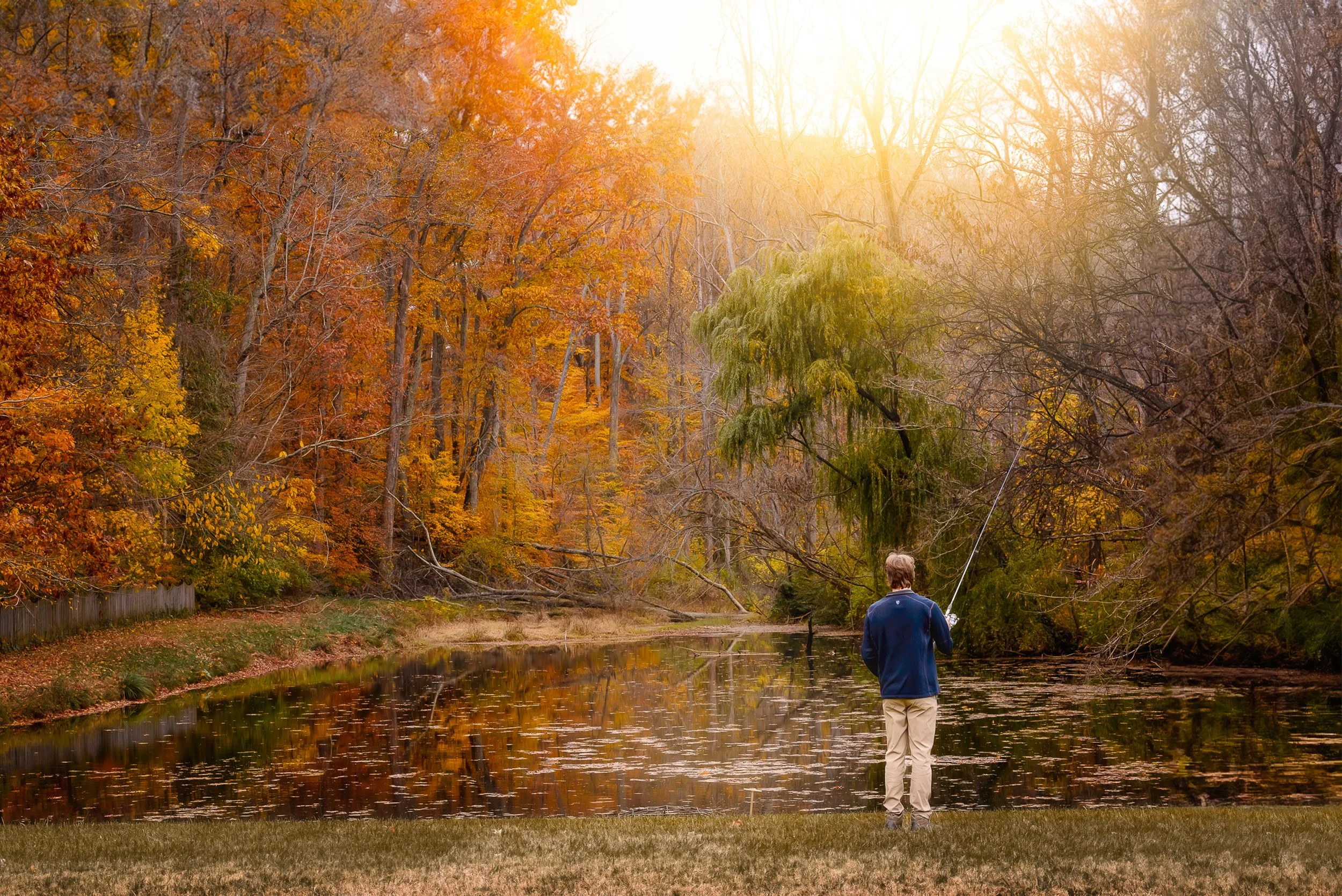
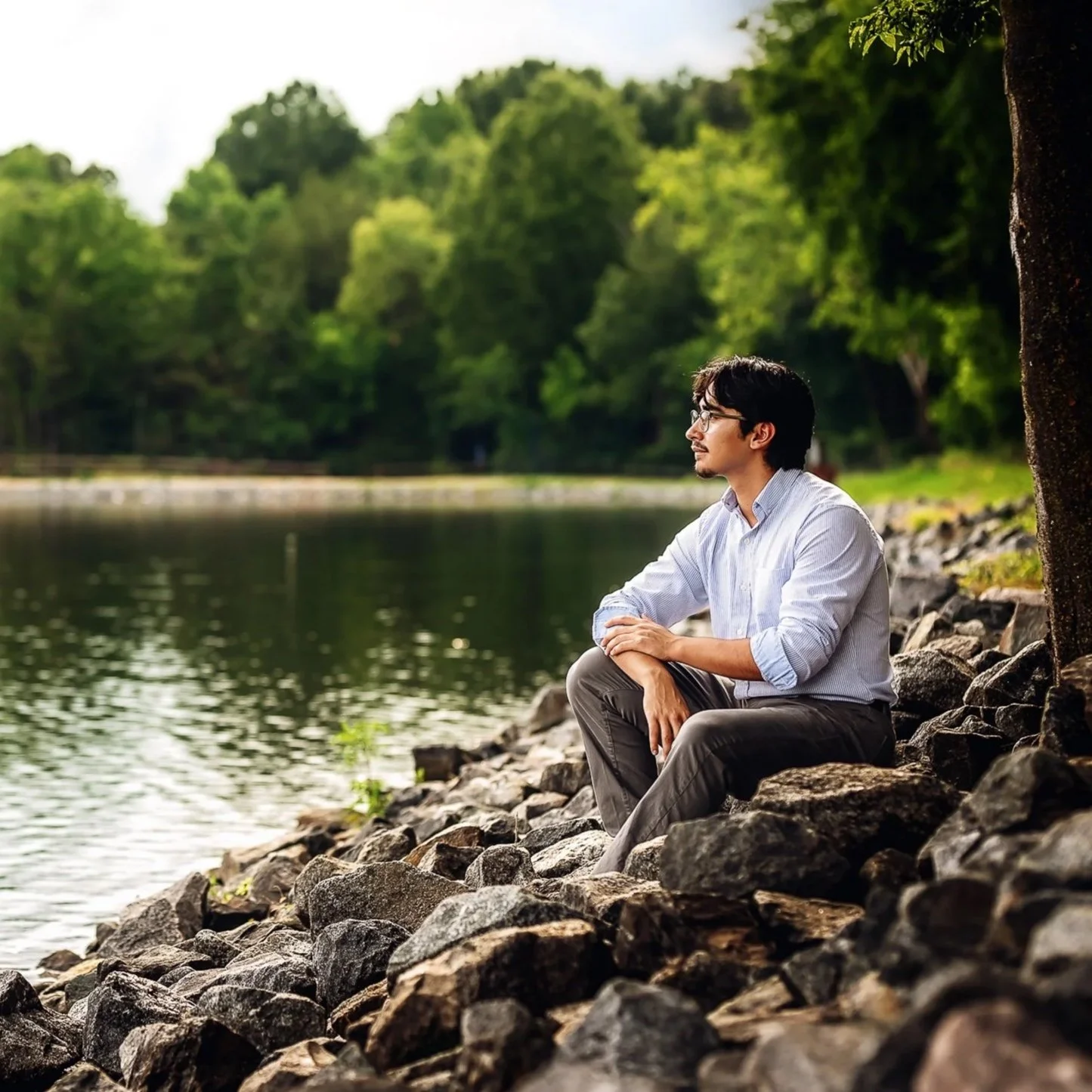
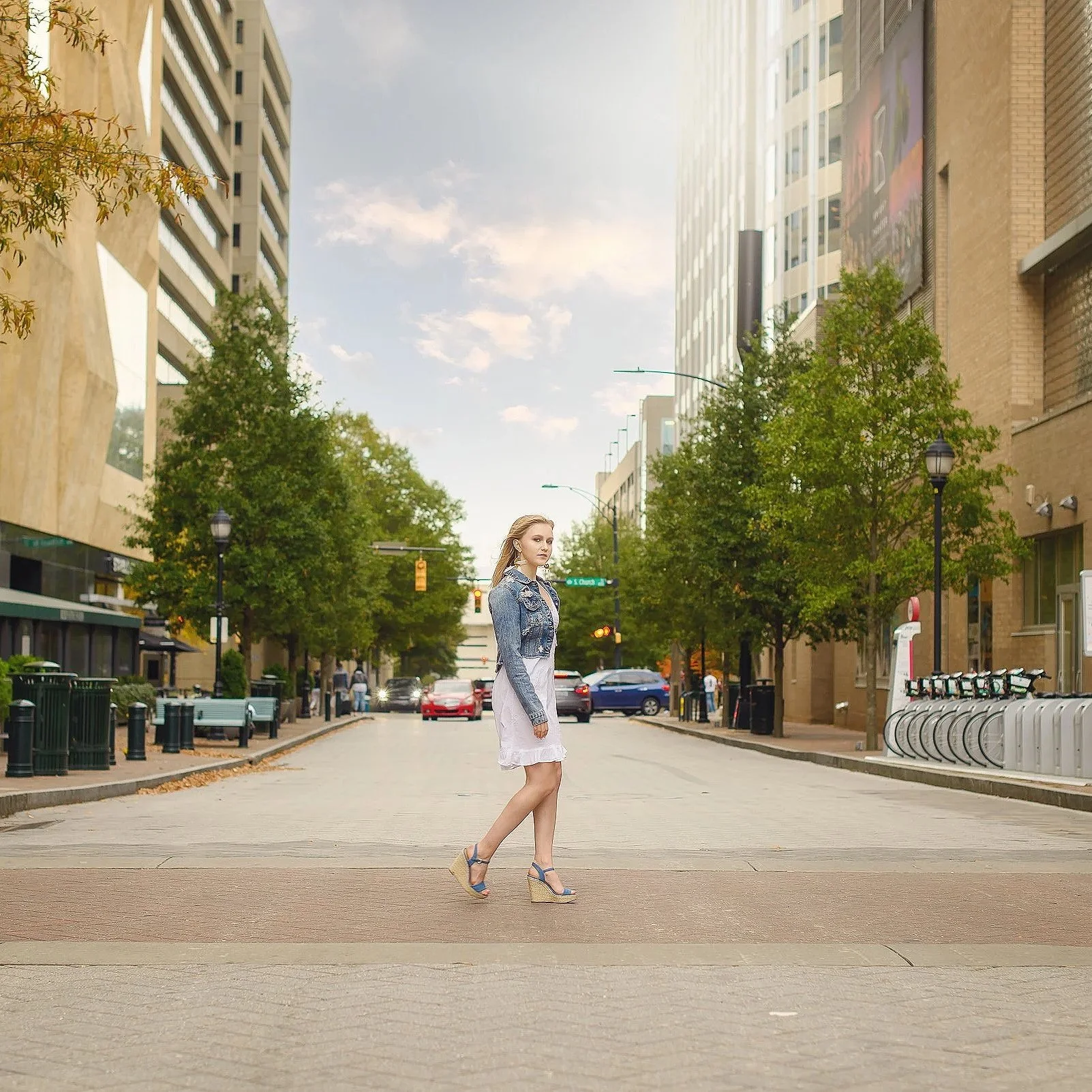
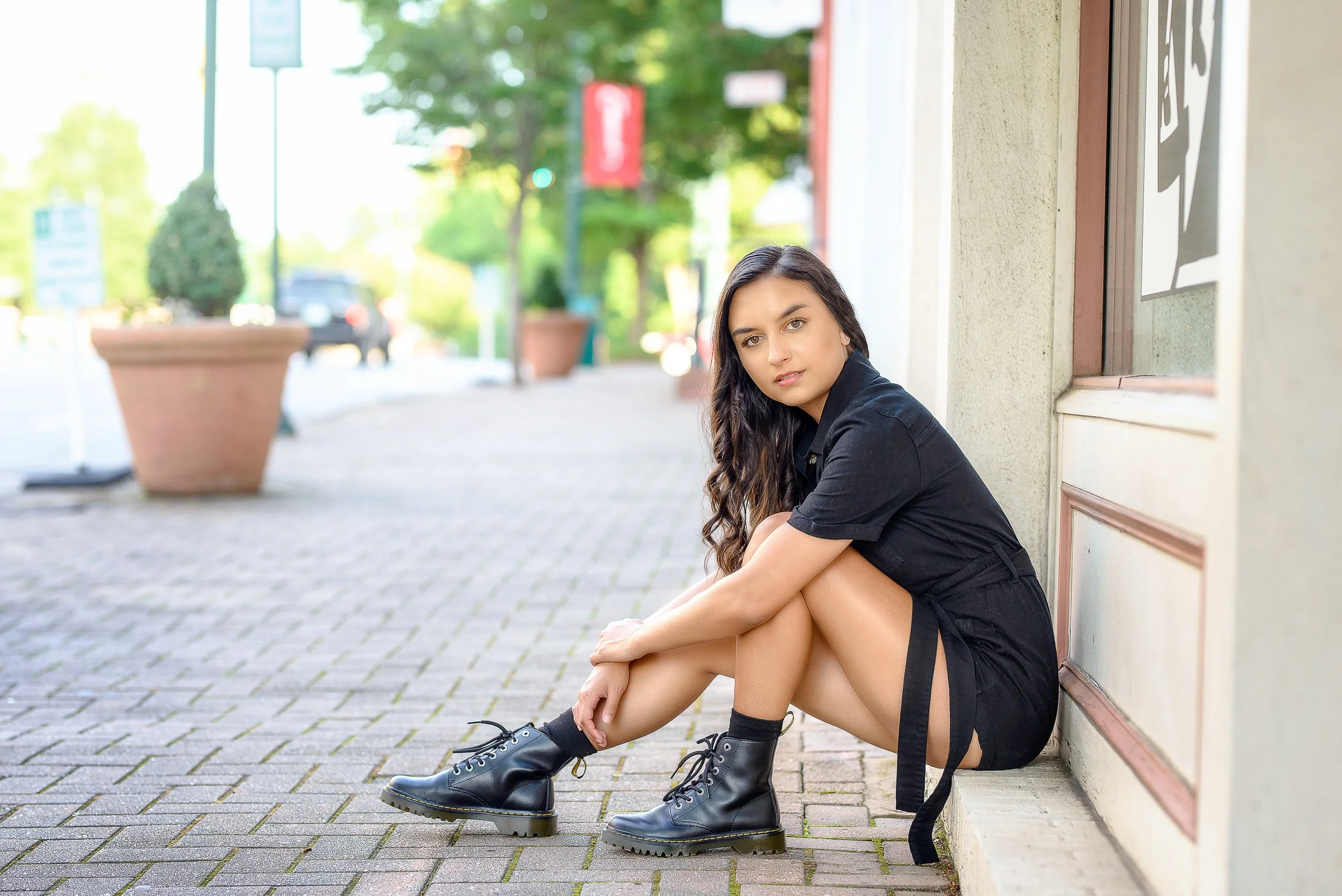
Different environments naturally support different moods. A wooded trail or lakeside setting creates a quiet, relaxed feel. Urban streets and architectural elements feel modern and editorial. Athletic spaces and meaningful hobbies bring personality and story into the images.
If you’re unsure where to start, describing how your senior wants their photos to feel is often more helpful than naming a specific place.
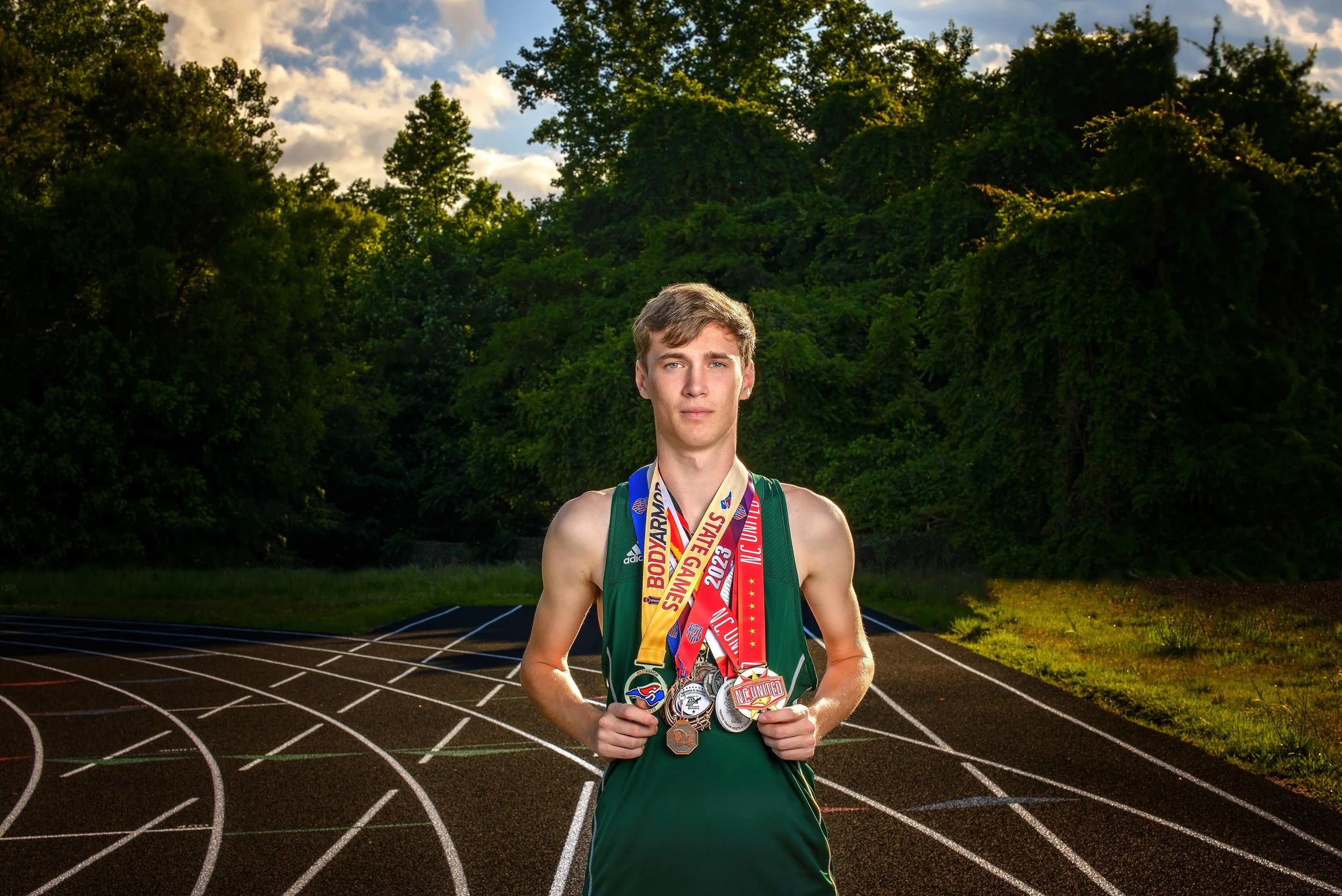
Let Outfits Help Guide the Location
Outfits and locations should work together, not compete.
Soft fabrics, neutral tones, and flowing dresses tend to photograph beautifully in natural settings. Structured outfits, bold colors, or sleek silhouettes often pair better with urban or architectural backdrops.
If you’re already thinking about outfits, that can be a great clue for narrowing down location options. And if you’re unsure, I’m always happy to help match outfits to environments that photograph beautifully together.
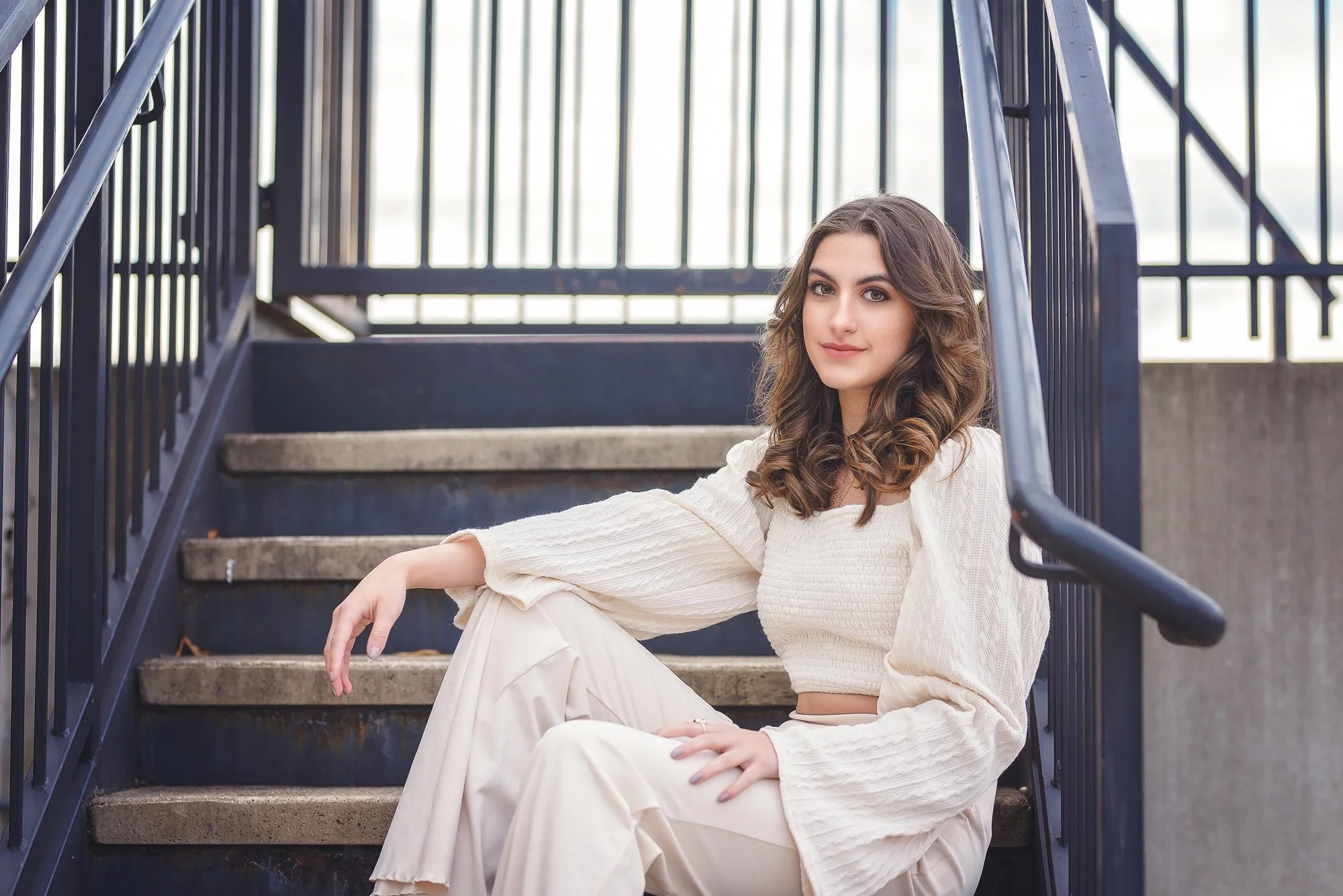
Lighting Matters More Than the “Perfect” Spot
Here’s something most people don’t realize: great light will always matter more than a famous location.
A simple spot with soft, flattering light will photograph better than a stunning location in harsh sun or deep shadows. When I choose locations, I’m thinking about:
How the light falls on the face
How consistent the light is throughout the session
How shadows shape features
How the environment reflects or softens light
This is where experience makes a difference — knowing when and how a location works is just as important as how it looks.
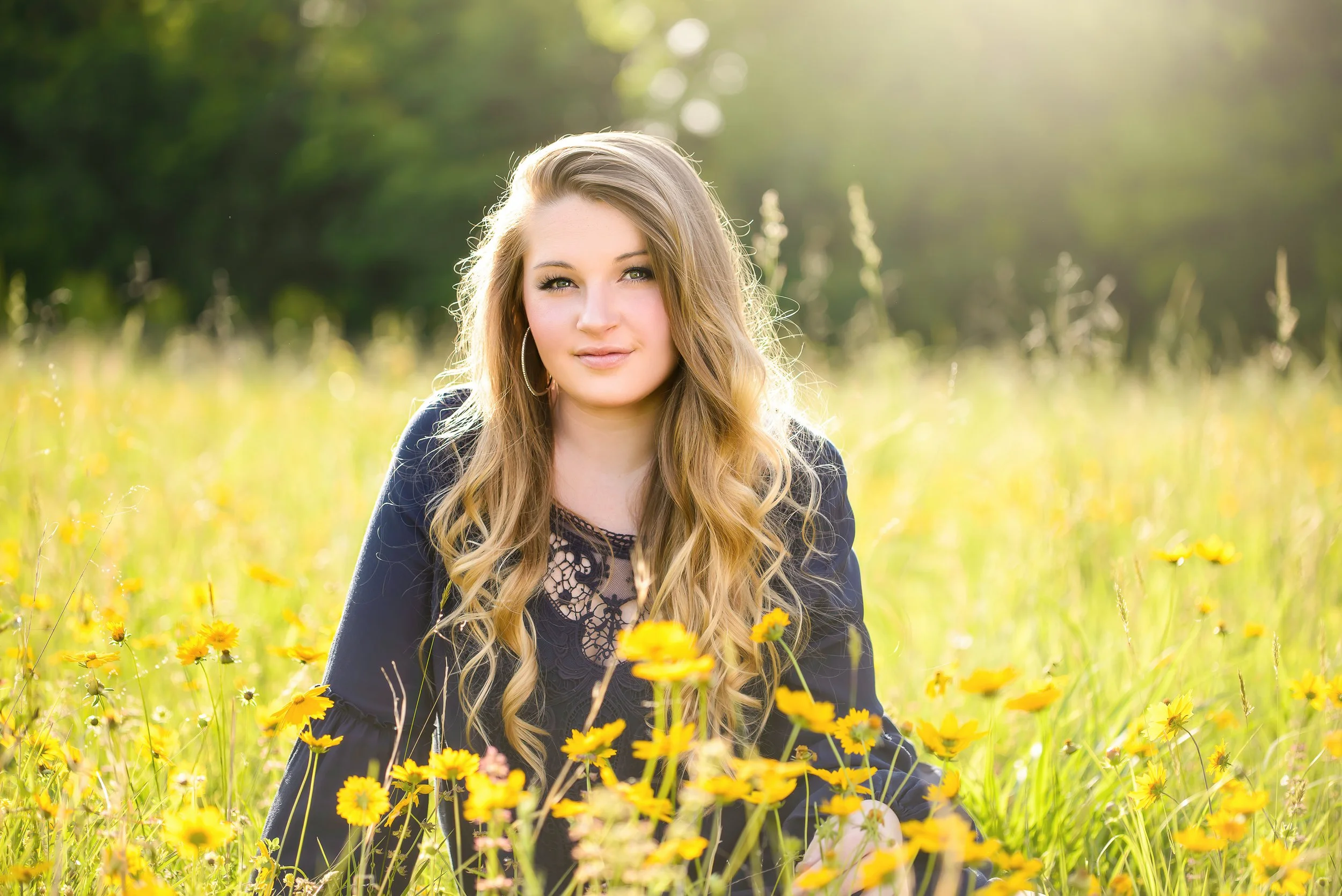
Think About the Season
North Carolina’s seasons each bring something different to senior portraits:
Spring: soft florals, fresh greens, airy light
Summer: vibrant tones, long evenings, glowing golden hour
Fall: warm colors, cozy textures, rich light
Winter: clean, minimal backdrops with a modern feel
Your preferred season can instantly narrow down the best location choices and help shape the overall look of your session.
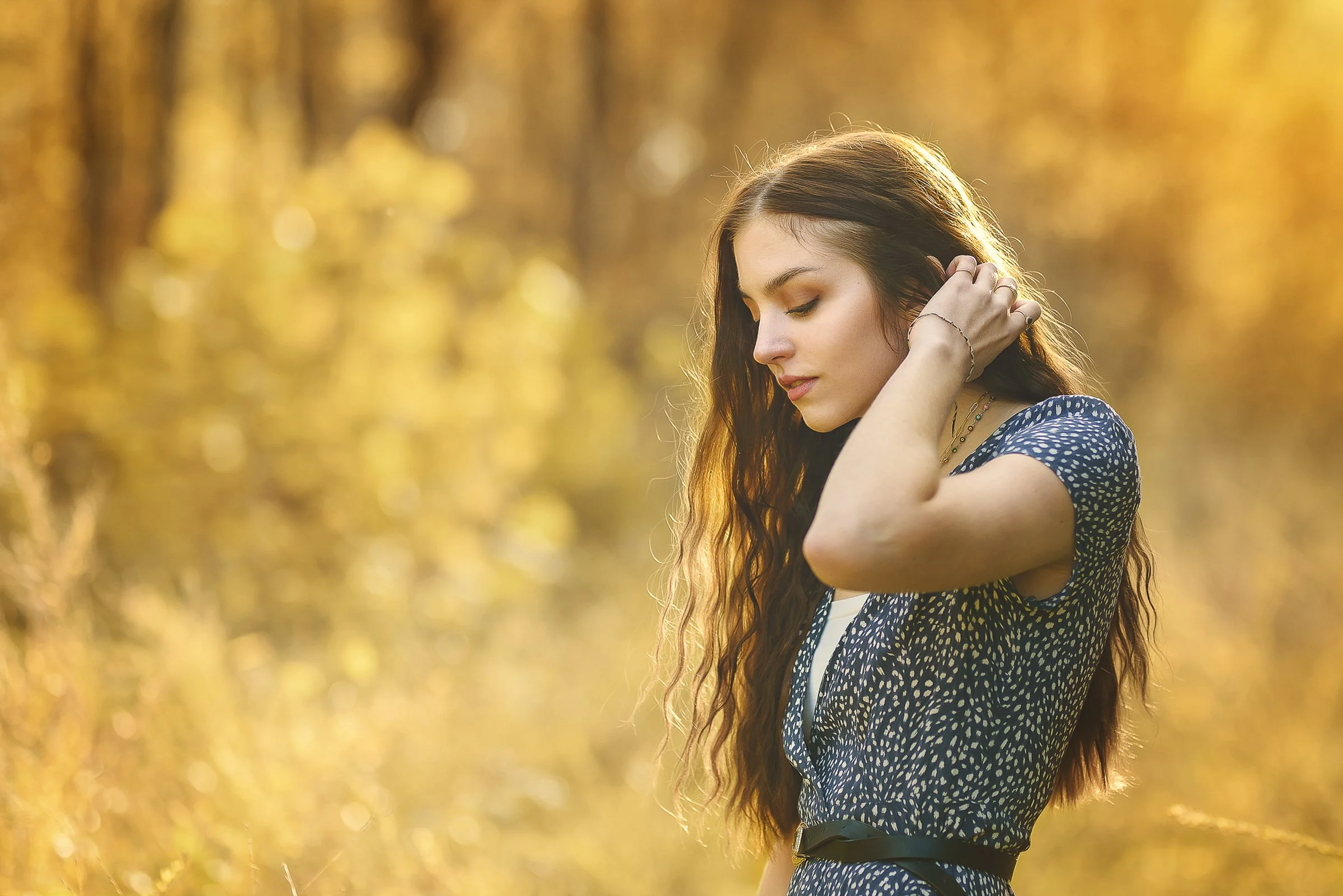
Location Styles That Always Photograph Well
Certain location styles consistently create beautiful, timeless senior portraits:
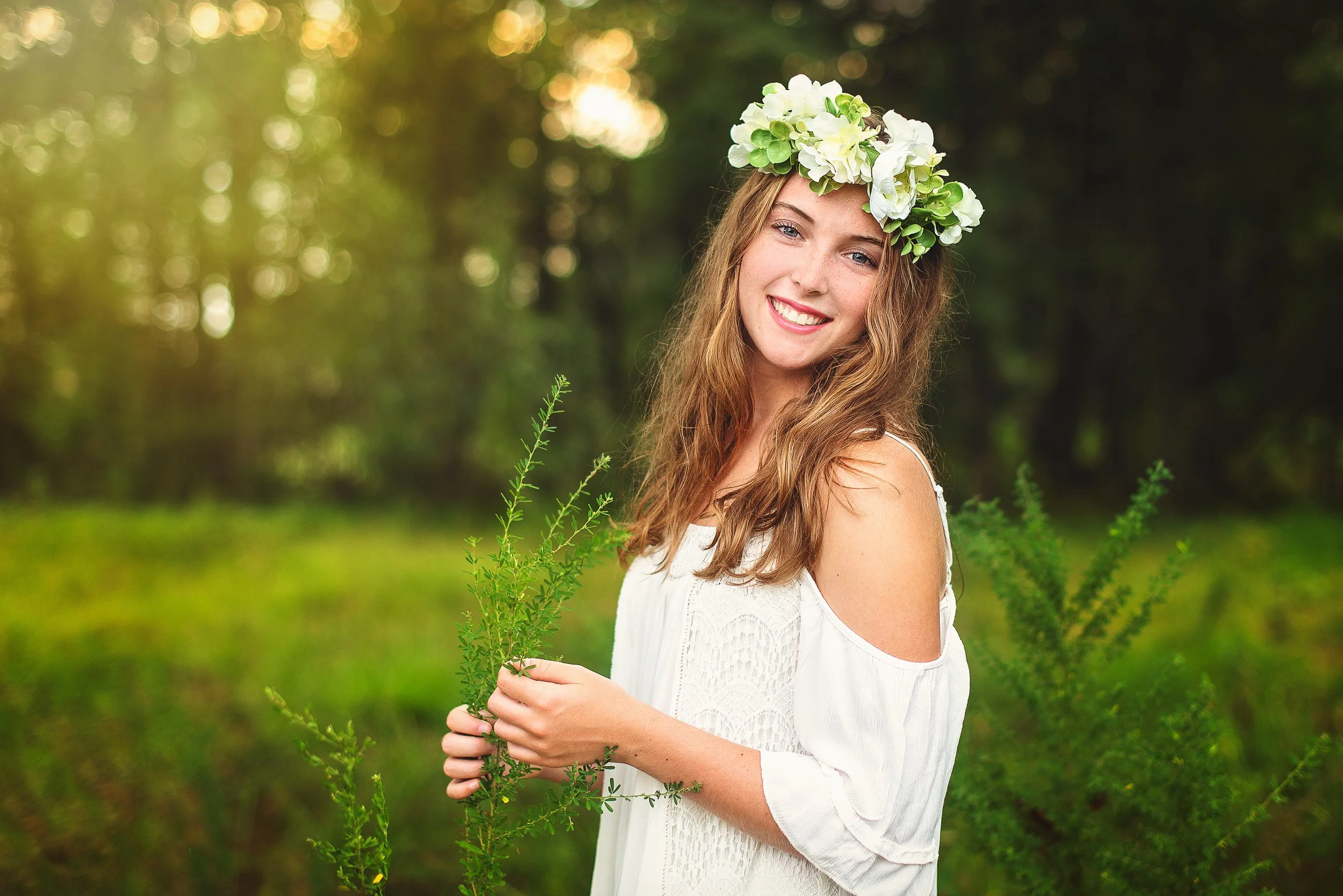
Fields & Meadows
Soft, dreamy, and perfect for golden hour light.
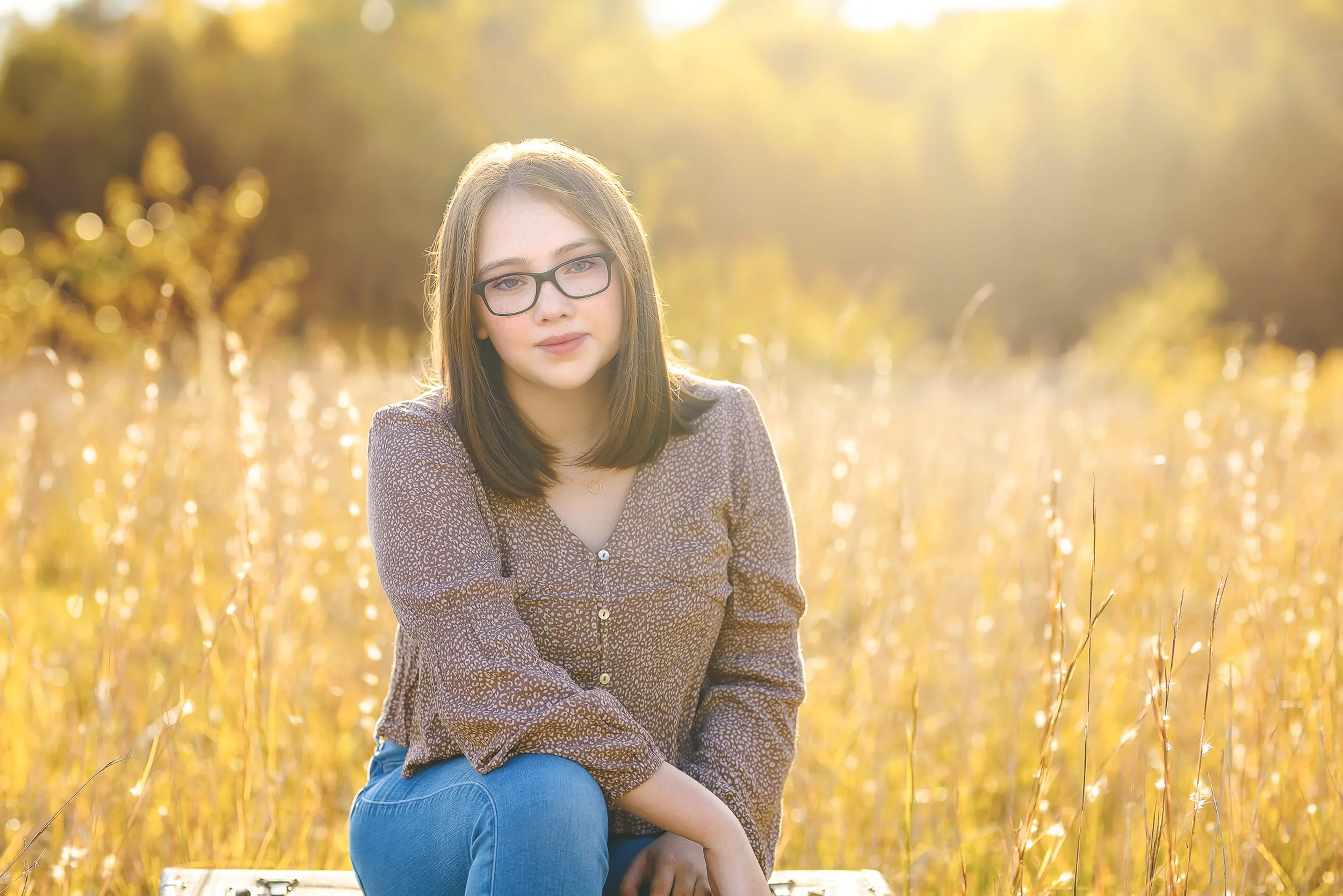
Urban & Architectural
Clean lines, texture, and a polished, editorial look.
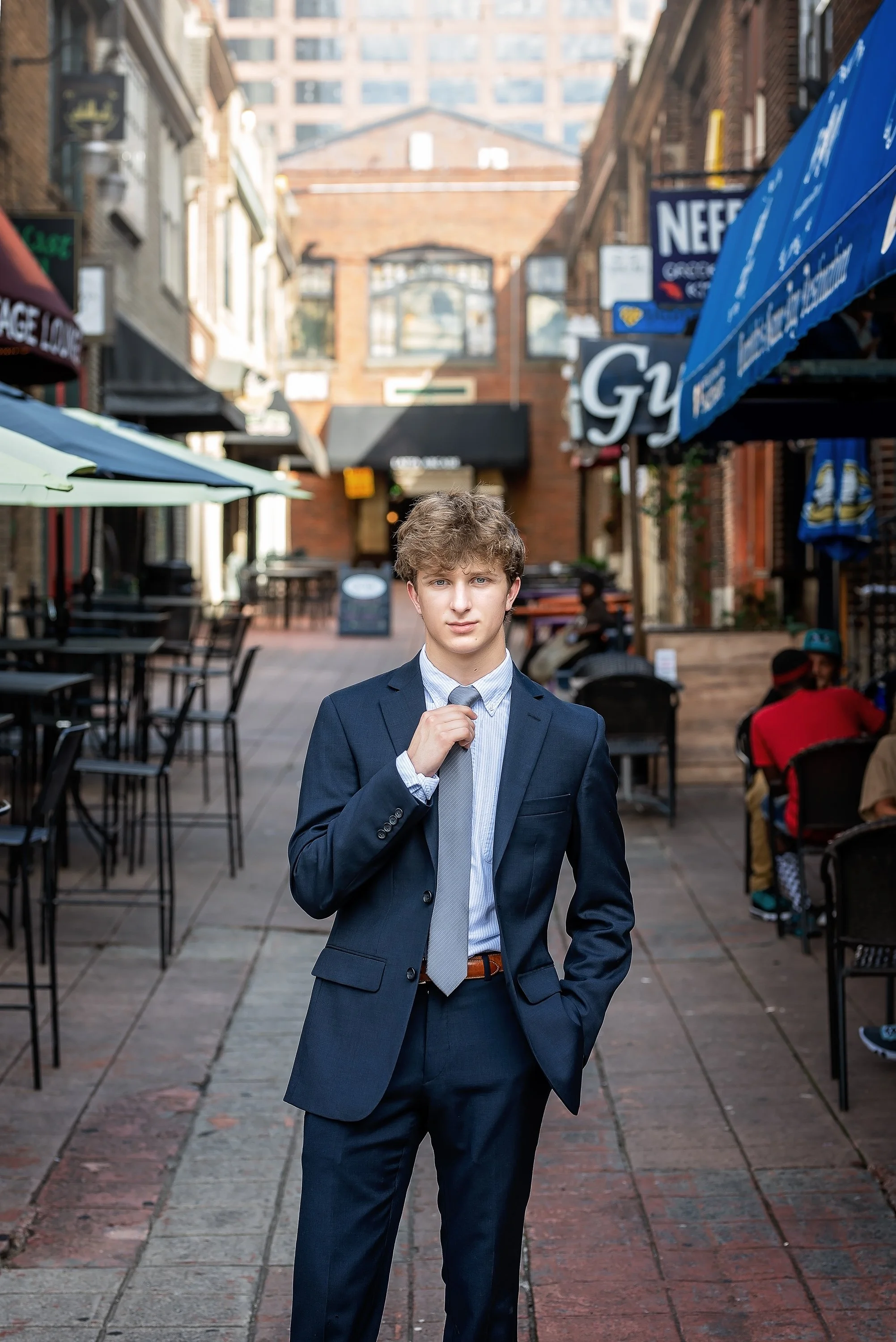
Parks & Green Spaces
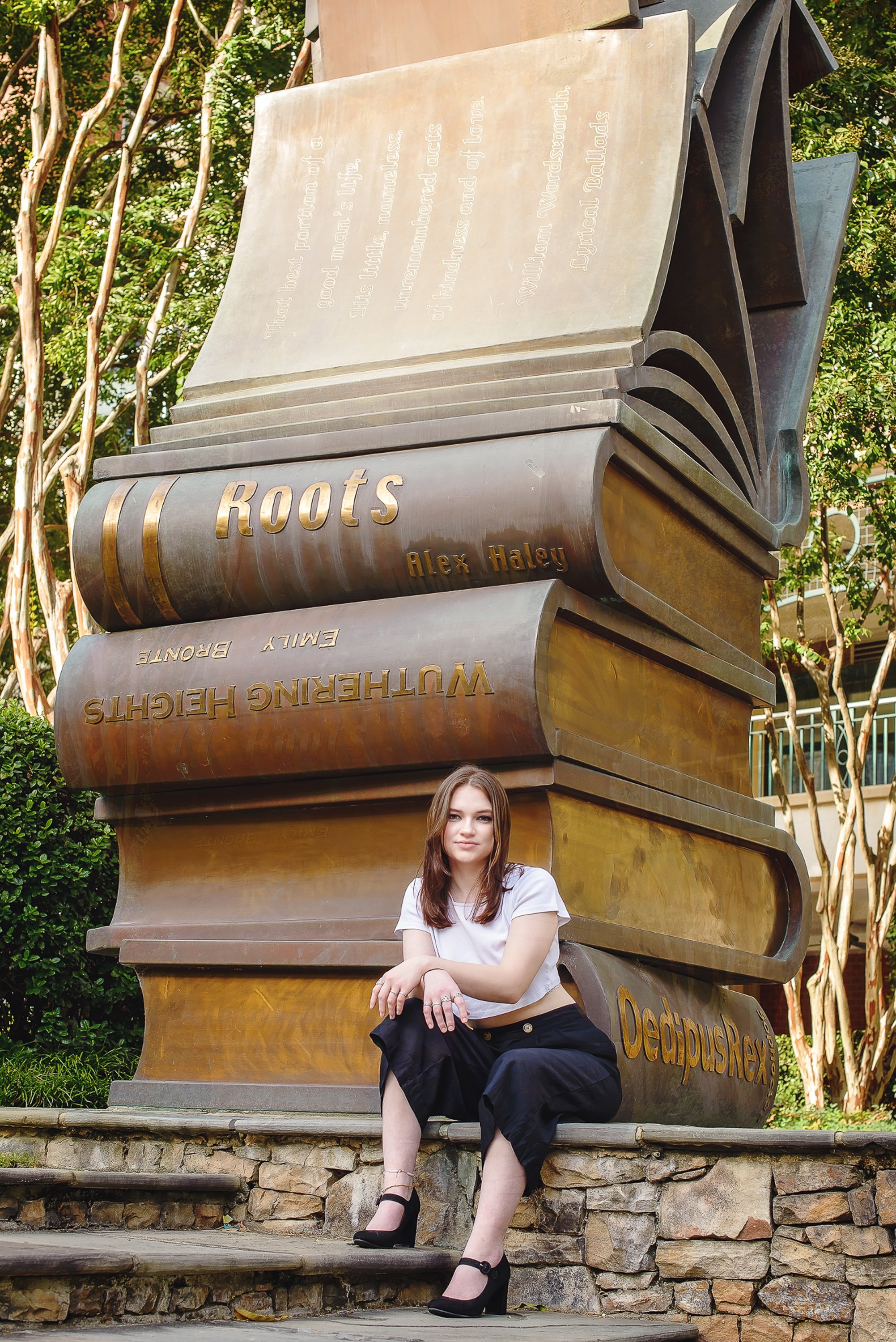
Versatile, classic, and easy to style.
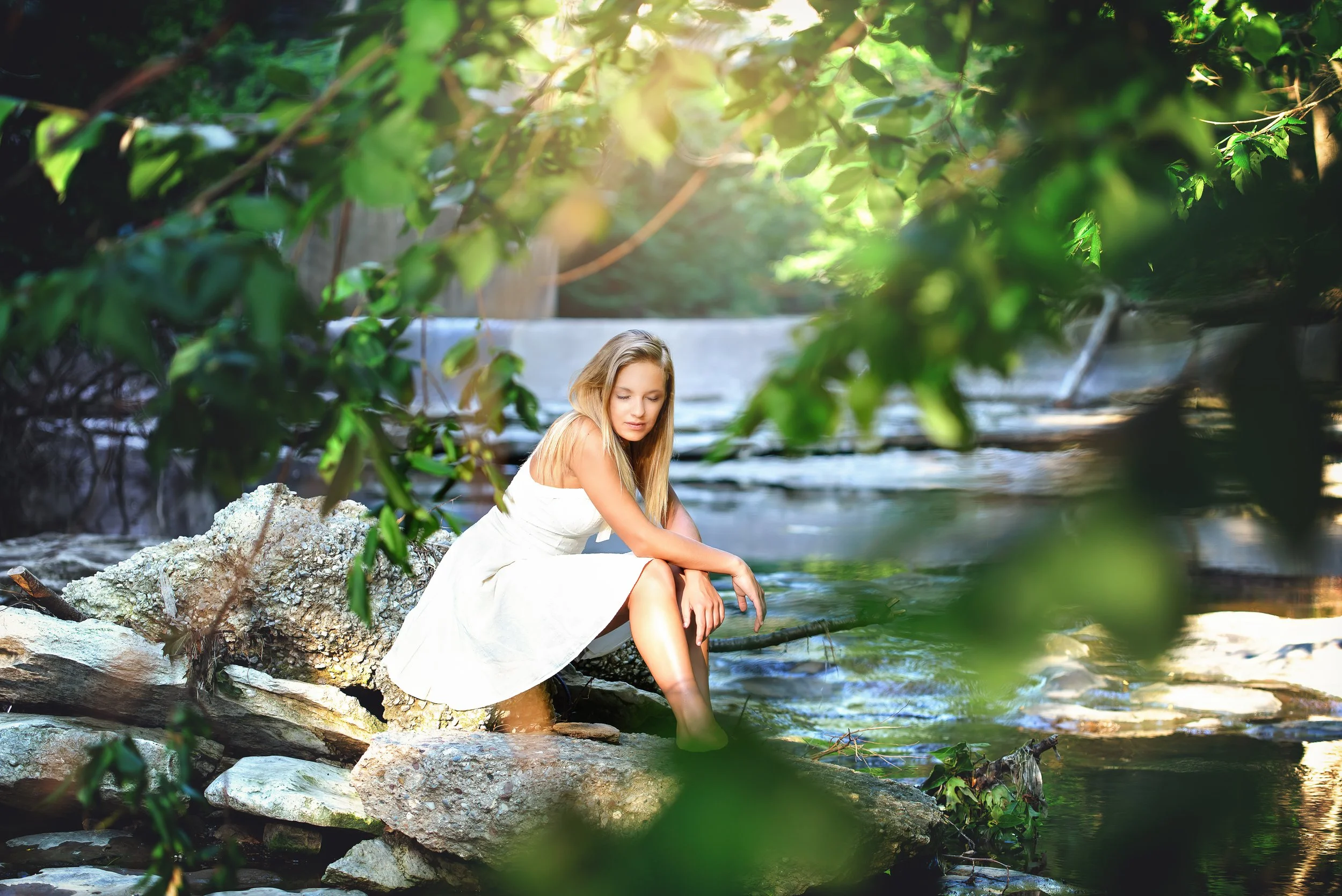
Water Features
Lakes, creeks, or fountains add movement and reflection.
Studio Sessions
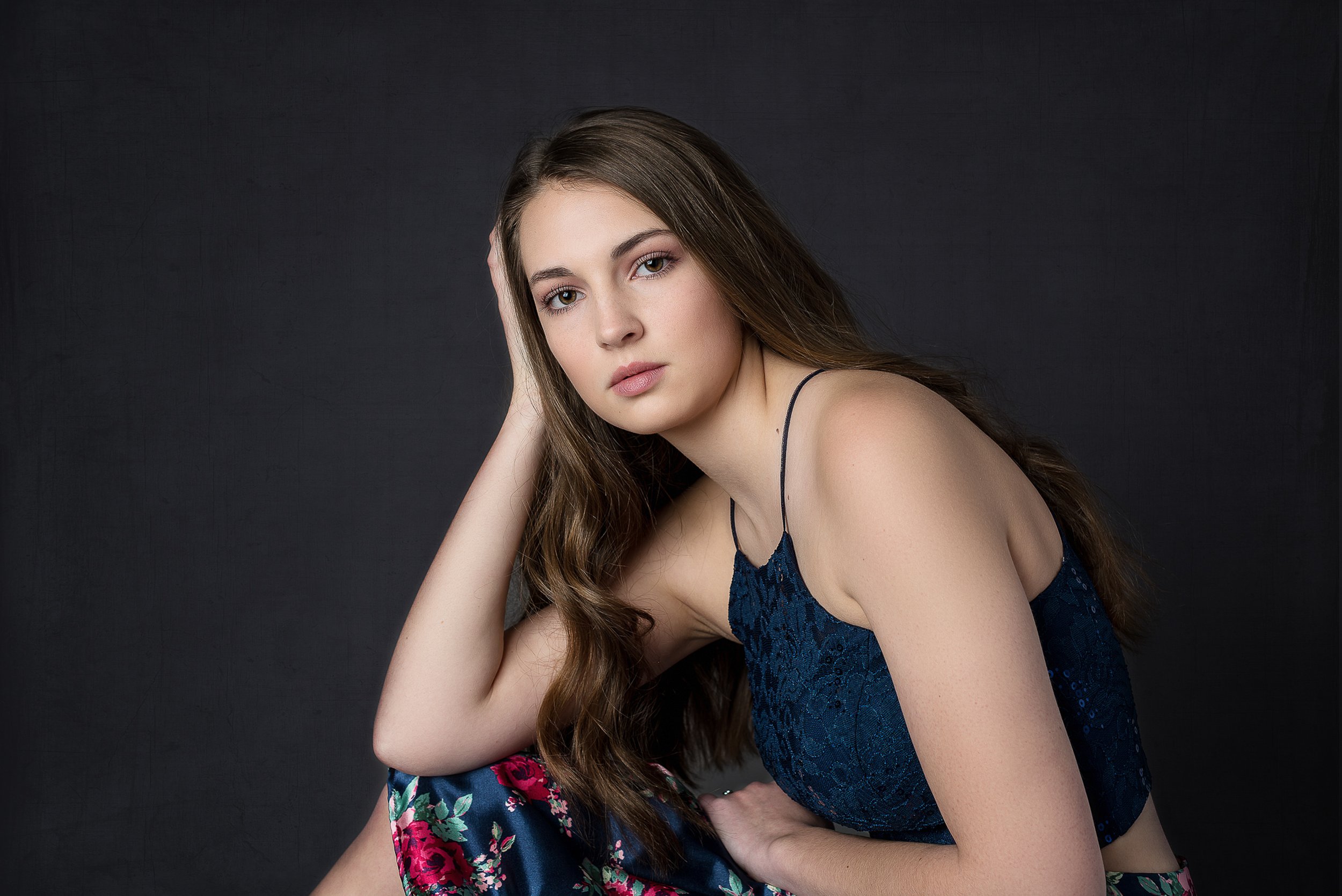
Minimal, fashion-forward, and completely weather-proof.
Each of these can be customized to match your senior’s personality and style.
Questions to Ask Before Choosing
If you’re narrowing things down, ask your senior:
Where do you feel most like yourself?
Do you prefer natural or modern settings?
Soft and cozy, or bold and clean?
What season feels most “you”?
Do you want your environment to stand out or stay subtle?
Their answers almost always point toward the right choice.
Final Takeaway
The best senior photo location isn’t the trendiest or most photographed — it’s the one where your senior feels confident, relaxed, and authentically themselves.
Whether that’s a quiet field at sunset or a modern downtown street, I’ll help guide you toward a location that complements their personality and results in images that feel natural, meaningful, and timeless.

How Professional Photographers Use Light to Make Seniors Look Their Best
A simple, beginner-friendly guide to how photographers use lighting during senior sessions. Learn how natural light, golden hour, backlighting, and professional off-camera lighting shape the mood, style, and quality of your senior portraits.
Most people think great senior photos come from the camera or the location — but photography is really all about light. The right light can soften skin, brighten eyes, create depth, and completely change the mood of a portrait. And the wrong light? It can make anyone look harsh, uneven, or washed out.
Light is the quiet magic behind every beautiful image, and understanding how it works is one of the biggest differences between a quick snapshot and a professional portrait. Here are a few of the ways photographers intentionally use light to make seniors look incredible in their photos
1. The Power of Golden Hour
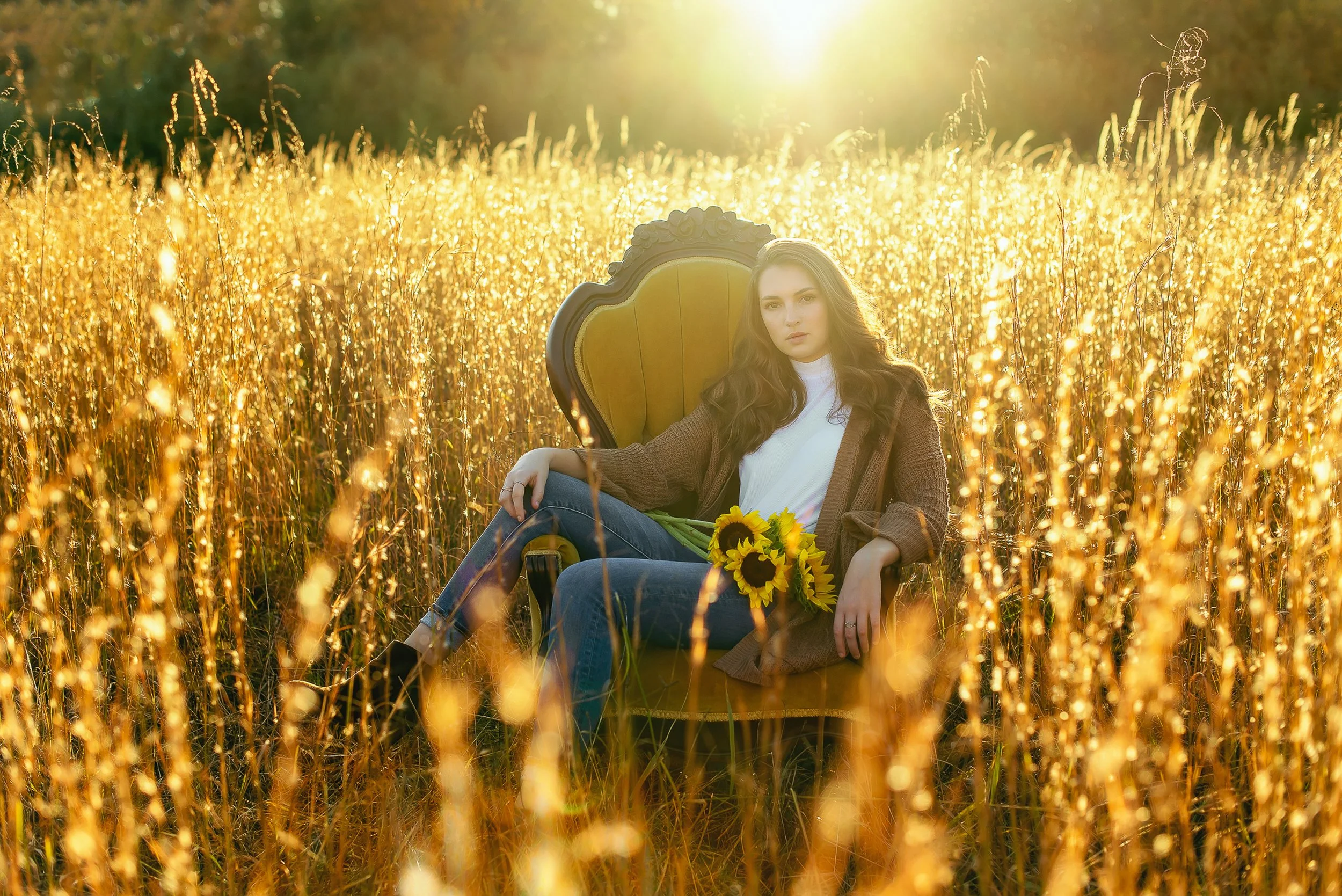
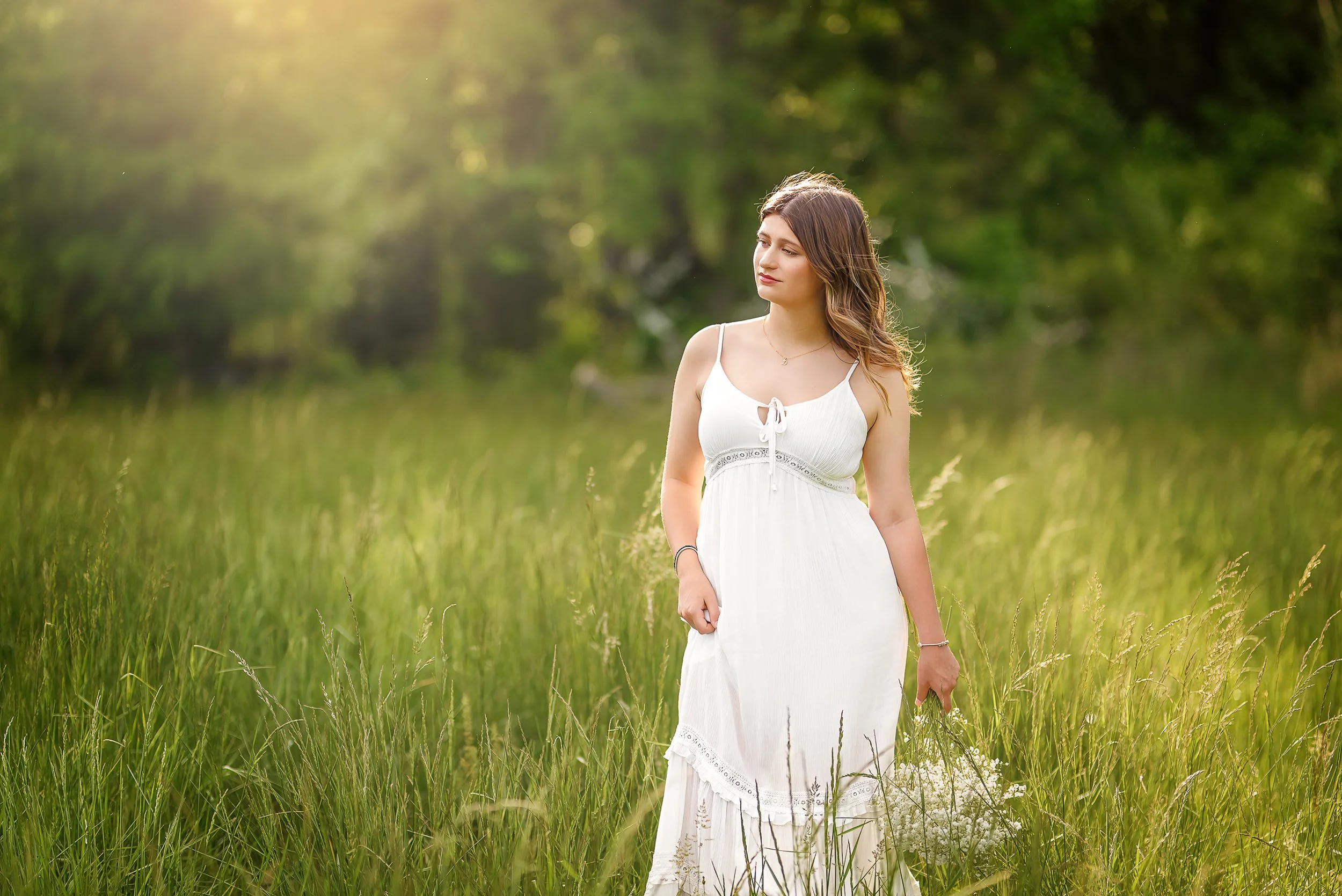
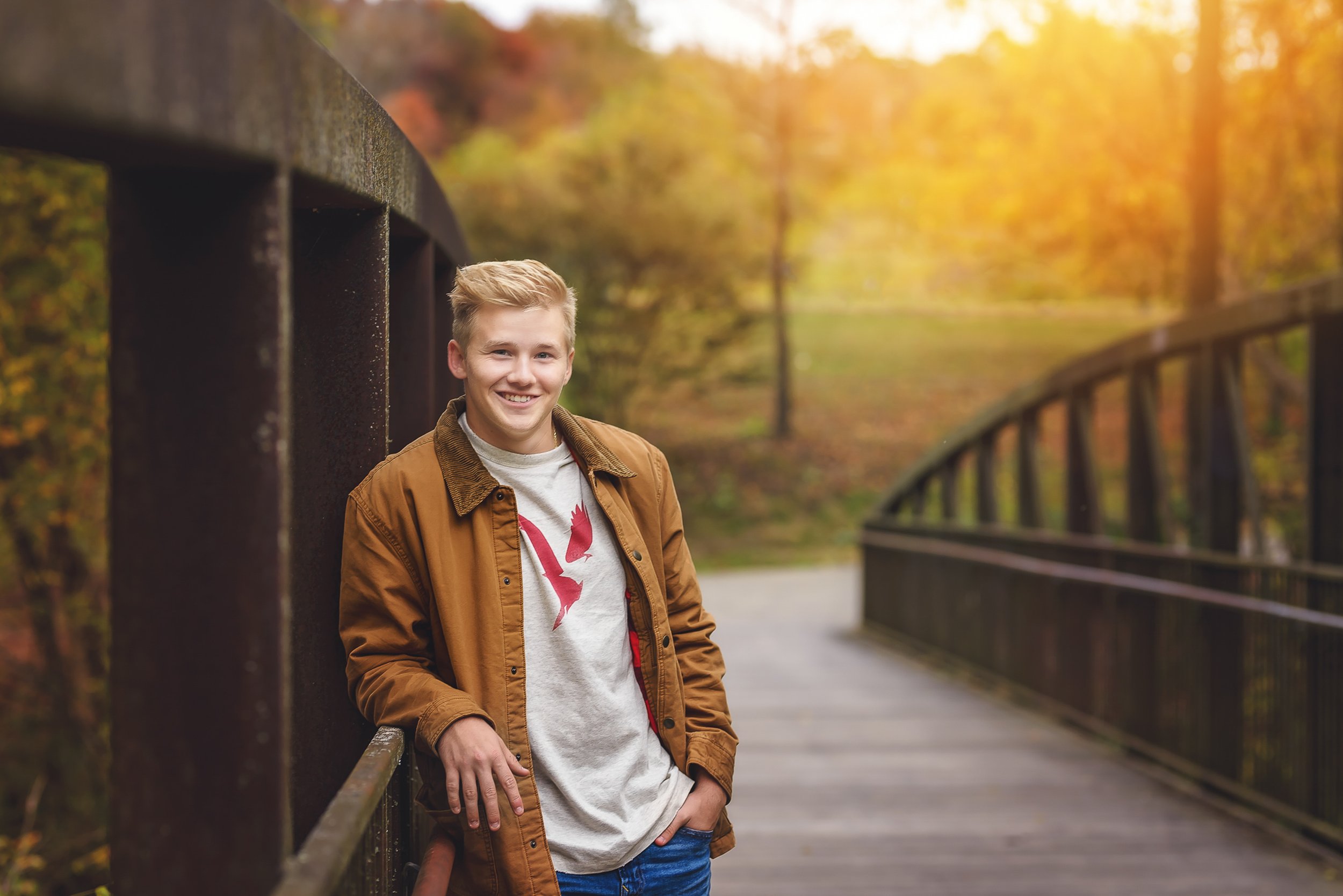
Golden hour — the hour right before sunset — is one of the most flattering times to shoot. The sun is lower, softer, and warmer, which naturally smooths skin tones and adds a subtle glow.
This kind of light:
Wraps gently around the face
Creates a soft highlight in the eyes
Adds depth to the background
Gives skin a warm, healthy color
There’s a reason so many senior sessions include golden hour: it makes everyone look amazing.
2. Why Harsh Midday Sun Isn’t Ideal Unless…
Midday light is bright and direct, which can create:
Harsh shadows under the eyes
Squinting
Uneven skin tone
Shiny hot spots on the face
This is why photographers avoid shooting in the middle of the day unless shade or artificial light is available. It’s not that midday is “bad” — it’s just unflattering without tools to modify it. Fortunately I LOVE bringing reflectors and strobes onto locations so we have lots of options to make every location look great!
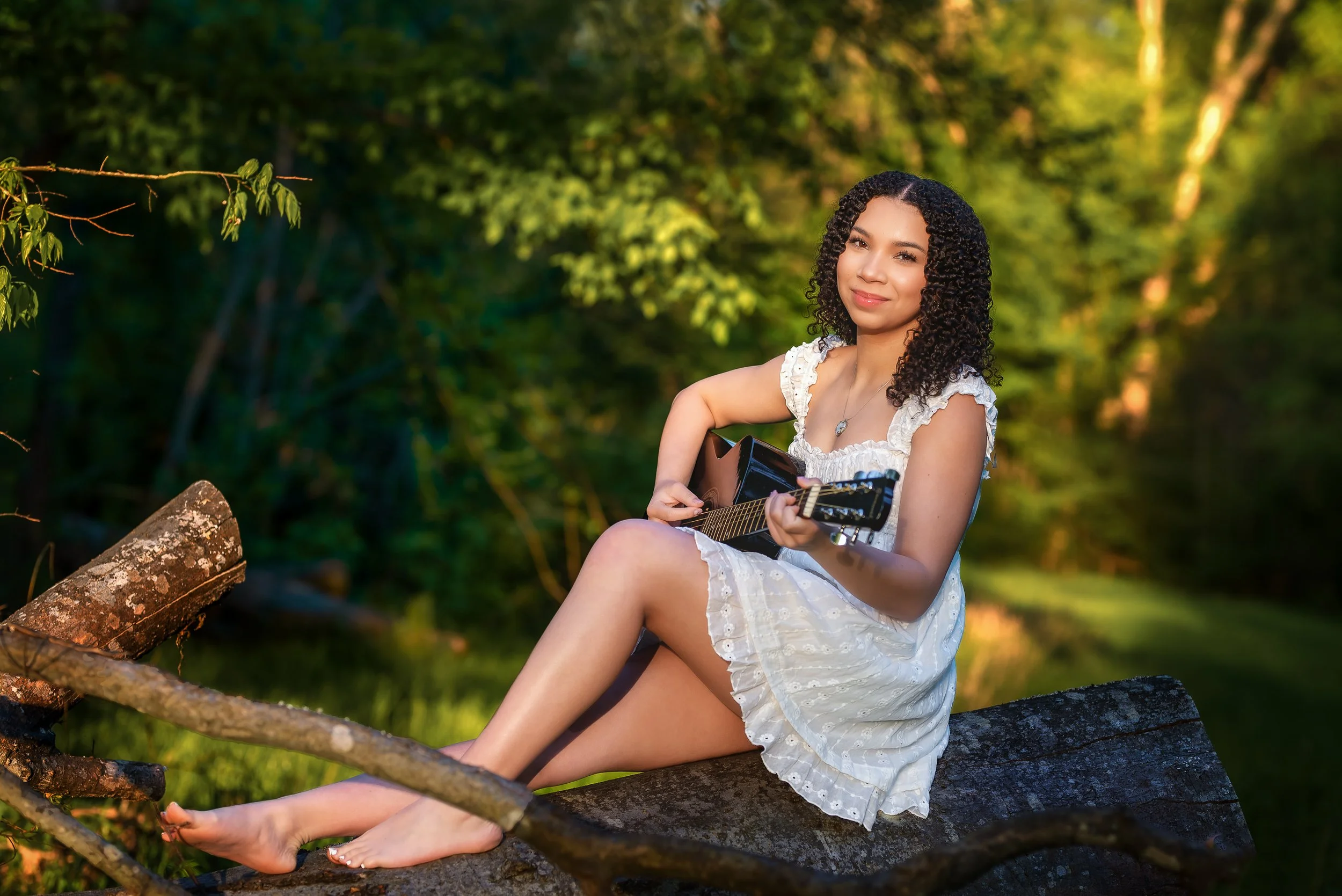
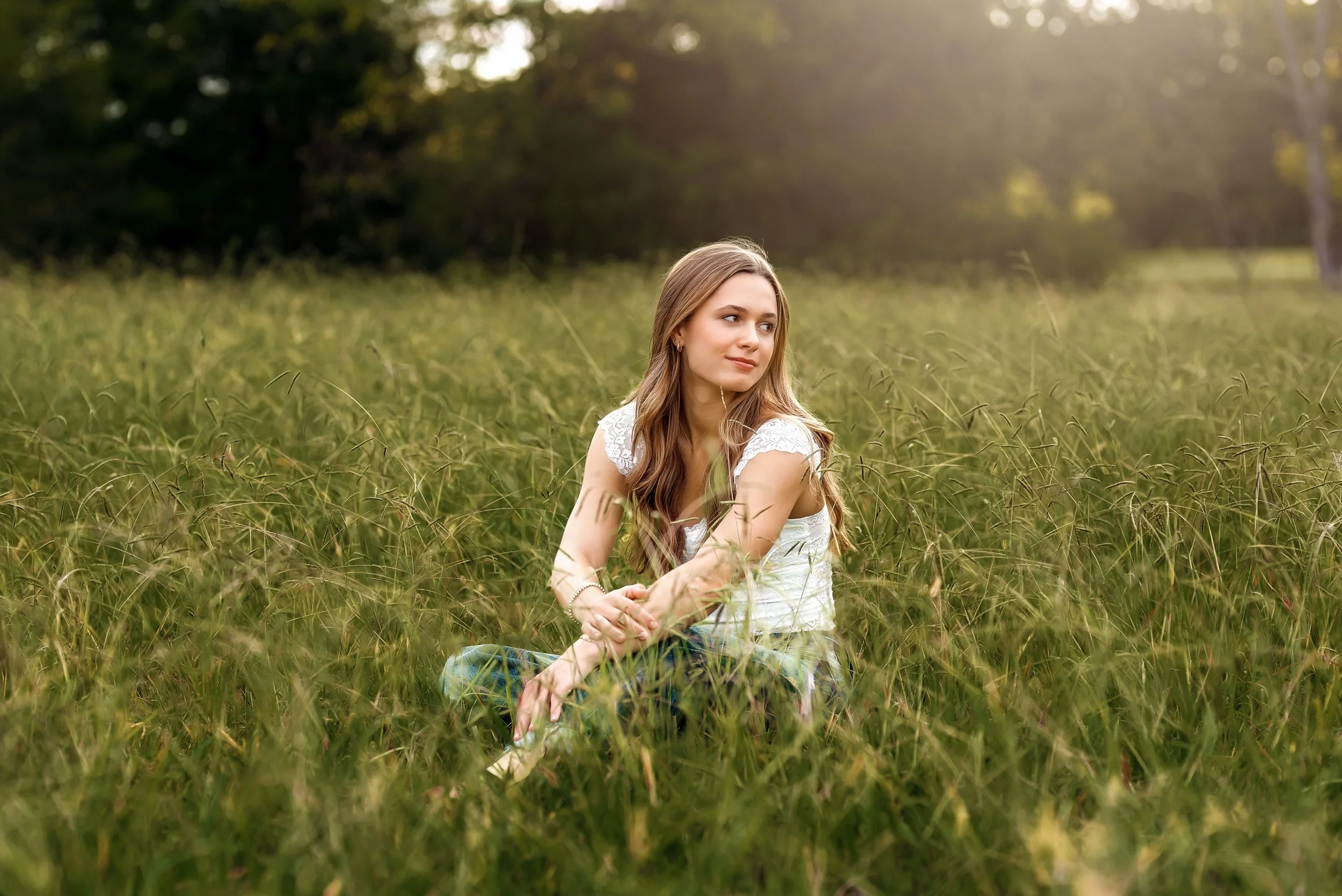
3. Open Shade: A Photographer’s Secret Weapon
Open shade happens when a senior is just out of direct sun but still facing bright ambient light. It’s incredibly flattering because it:
Smooths the skin
Removes hot spots
Brightens the eyes
Evens out color

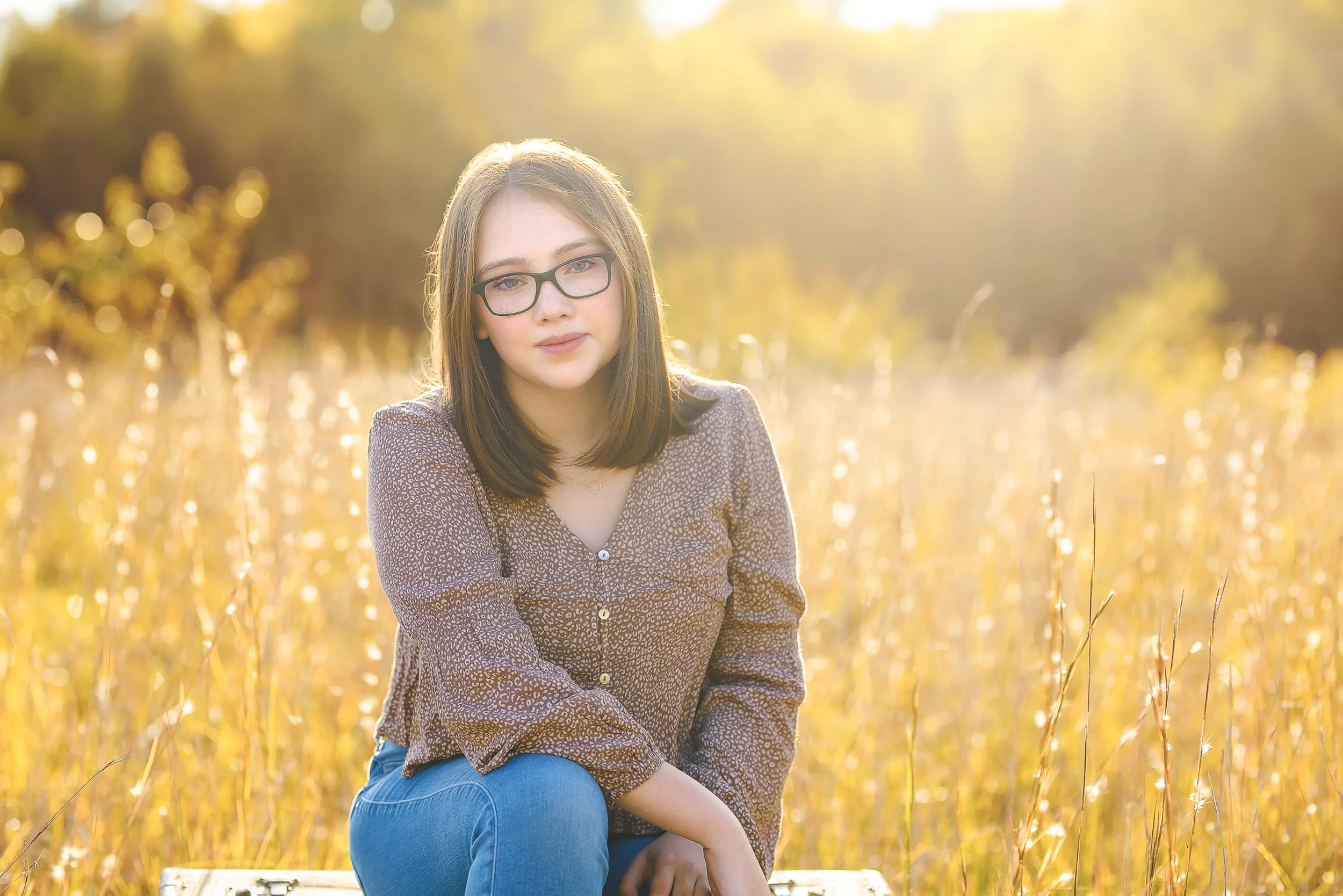
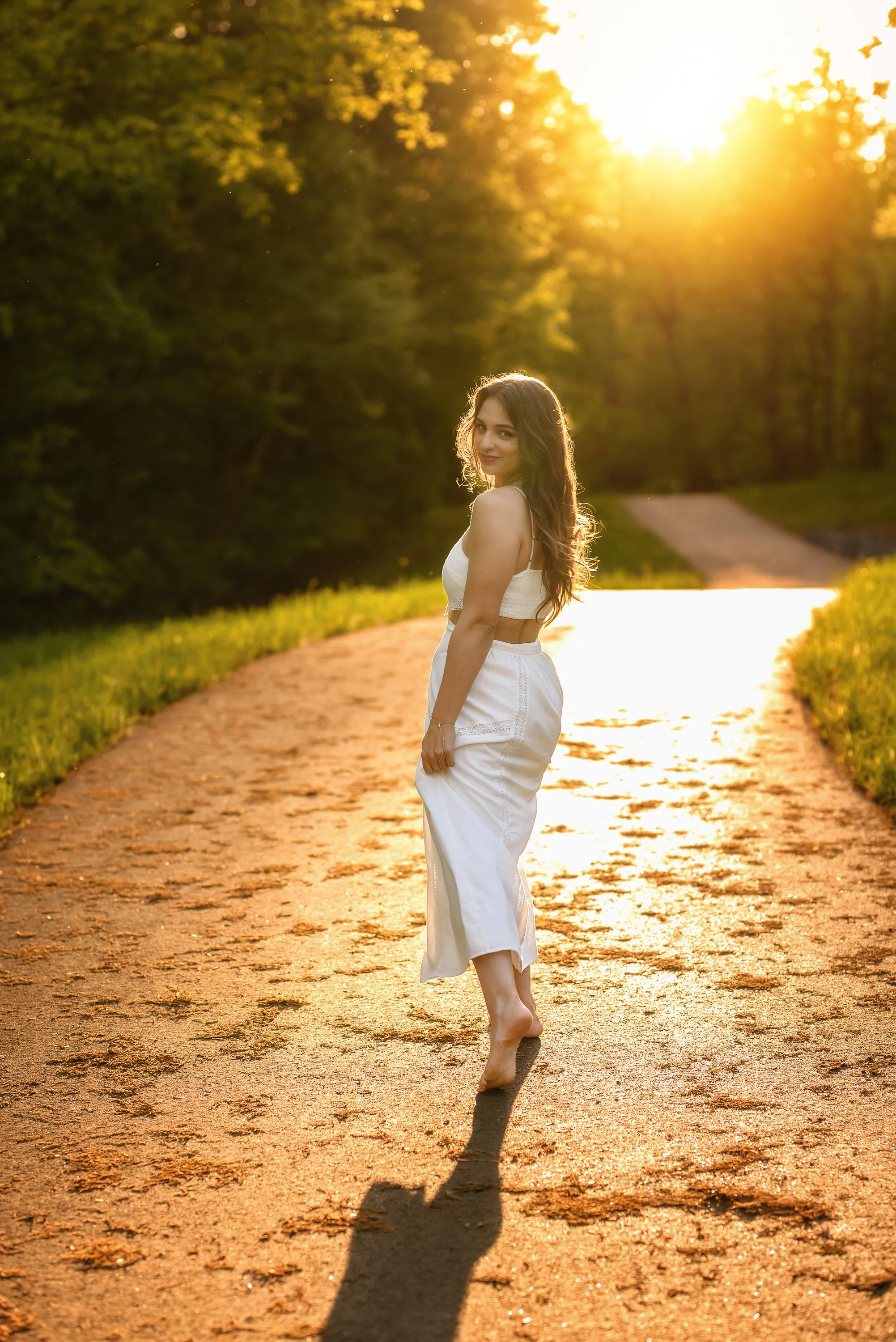
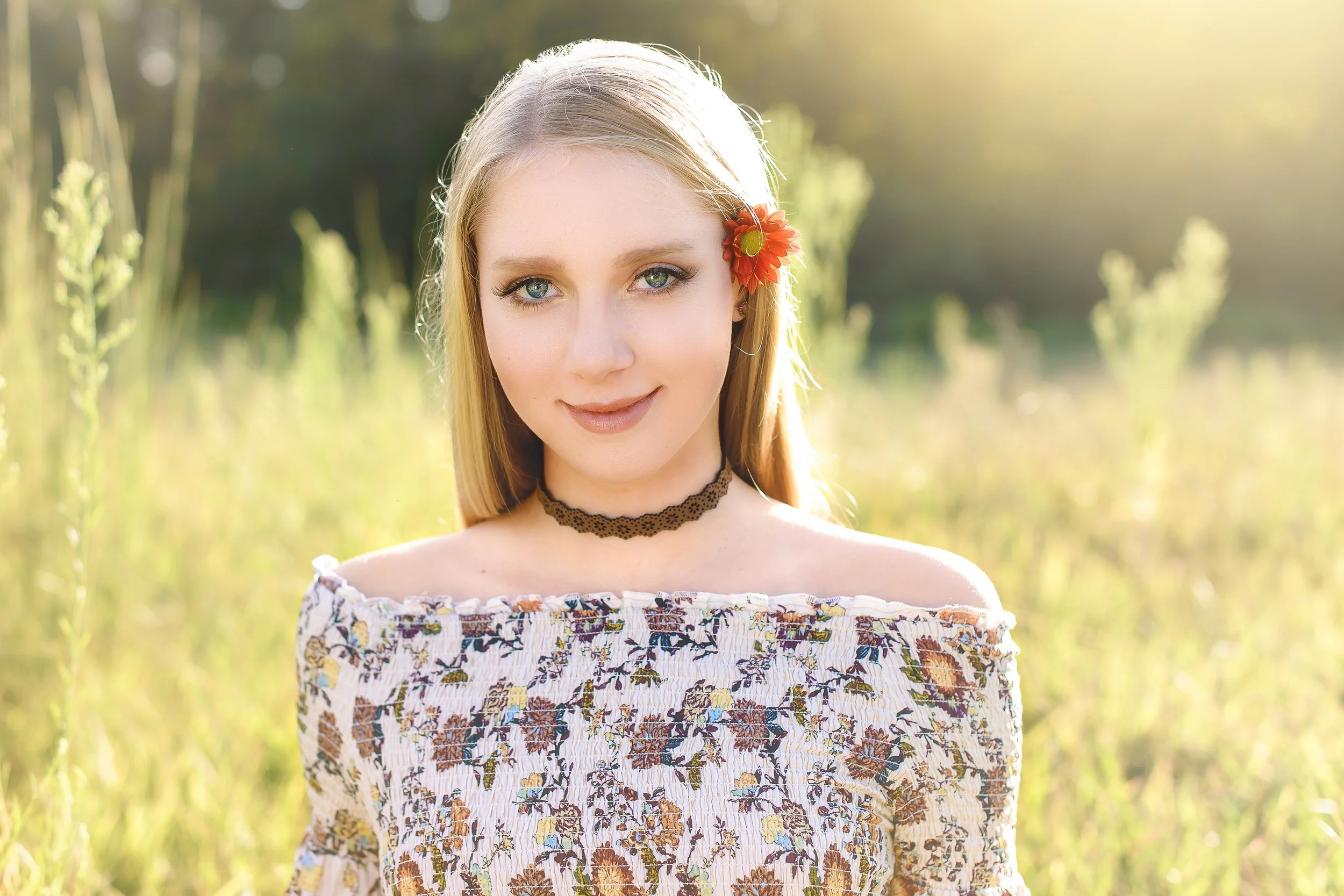
4. Backlighting for a Dreamy Glow
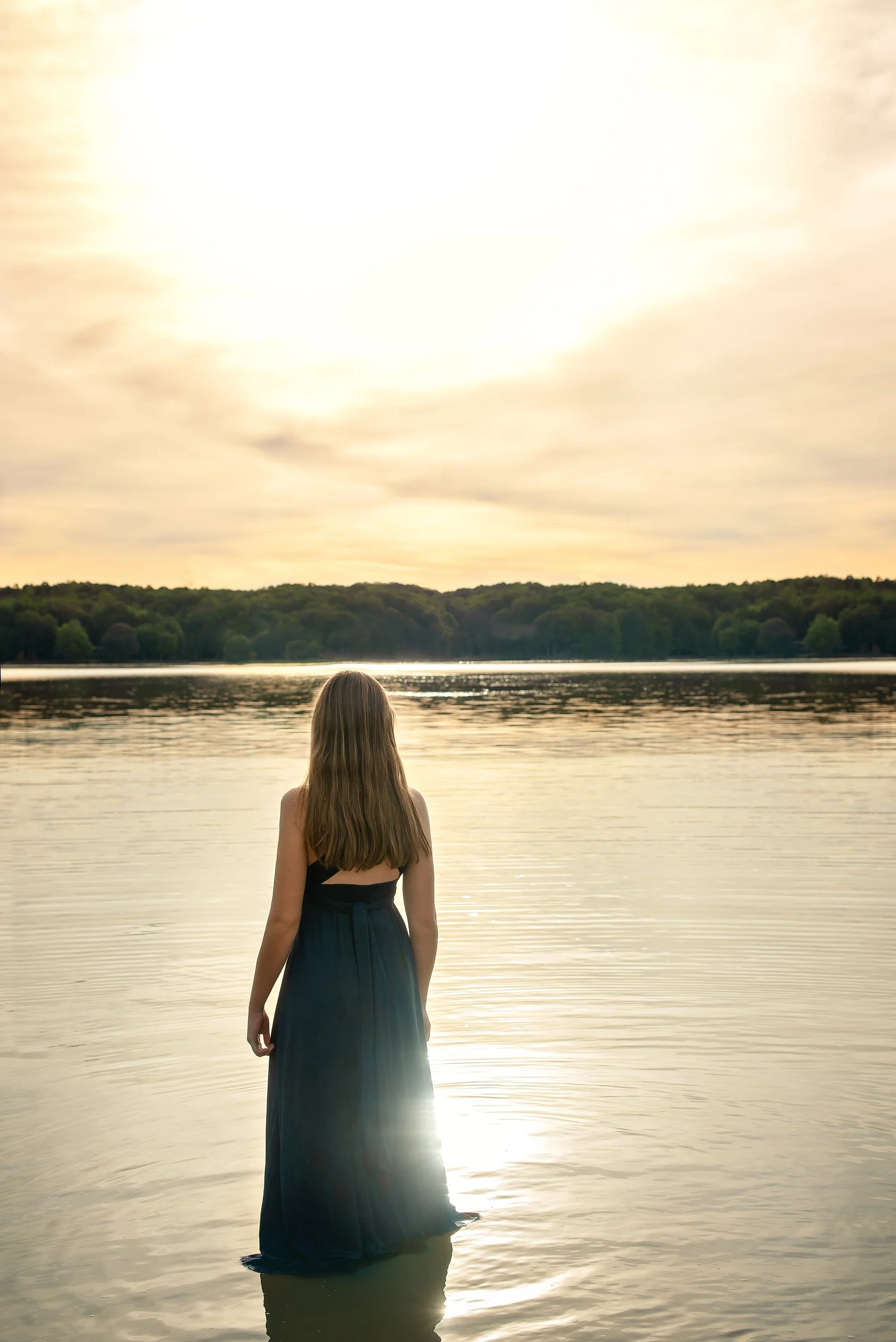
Backlighting is when the sun is behind your senior, creating that beautiful glow around their hair and shoulders. It's soft, magical, and perfect for senior portraits.
5. Using Shadows for Shape and Mood
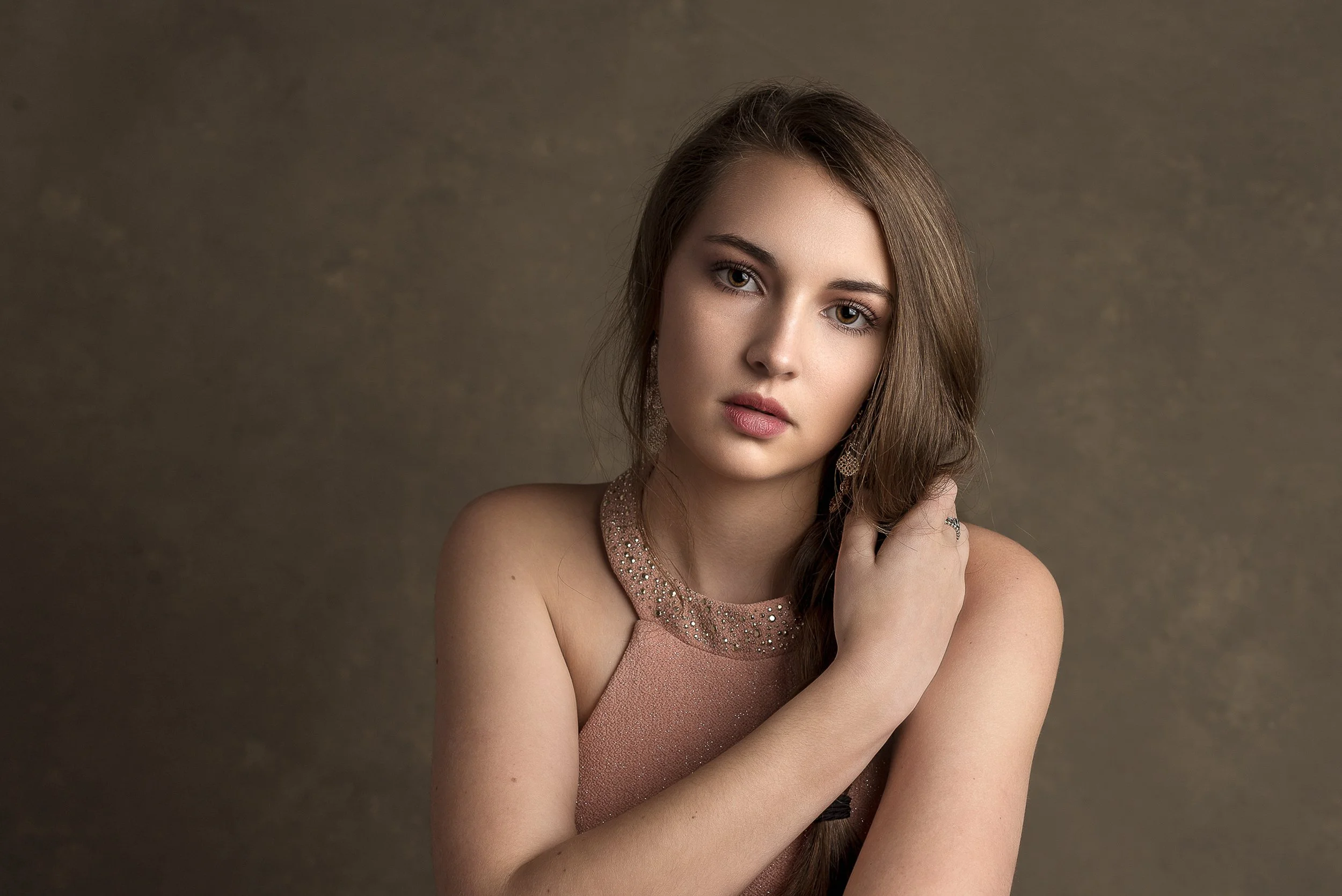
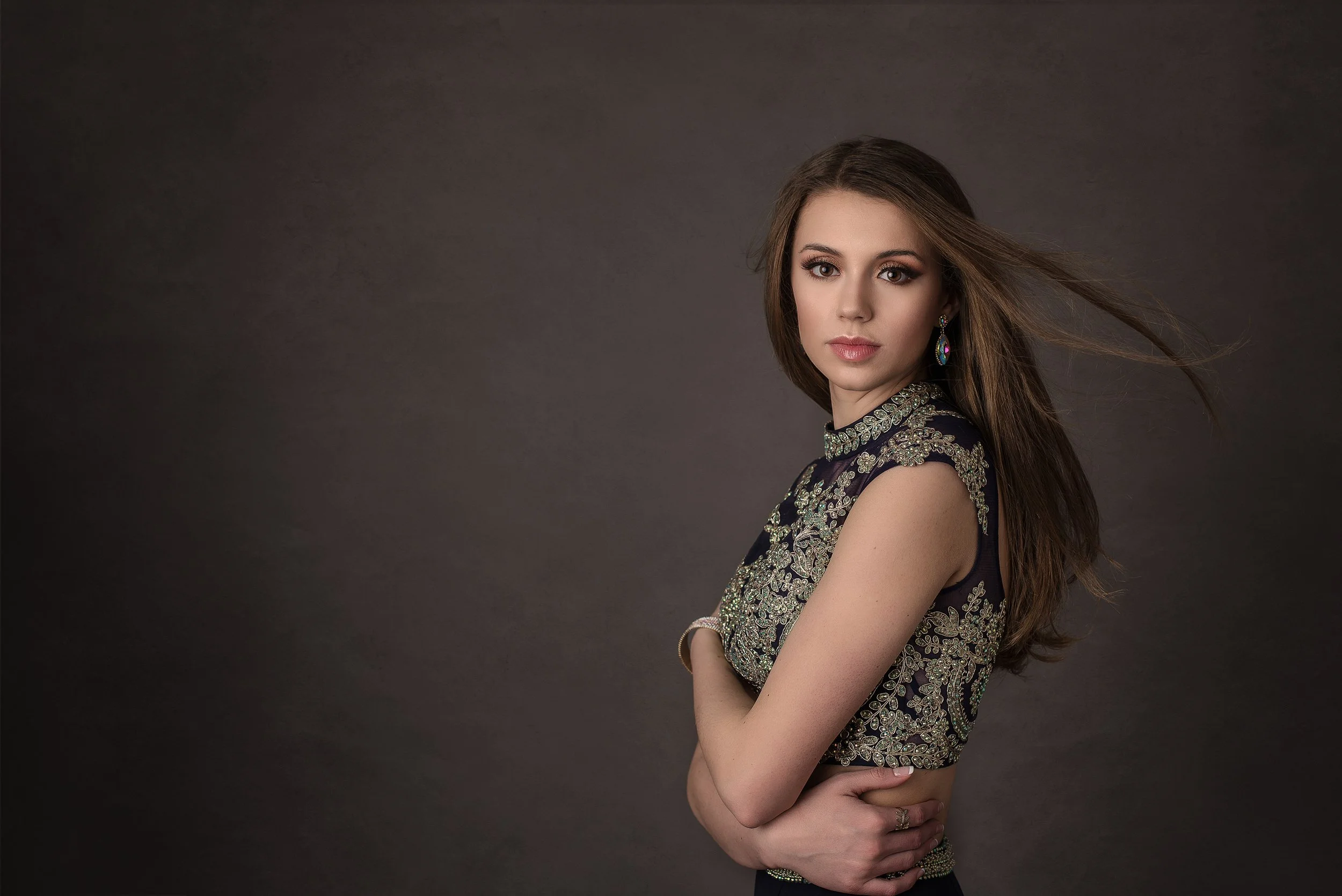
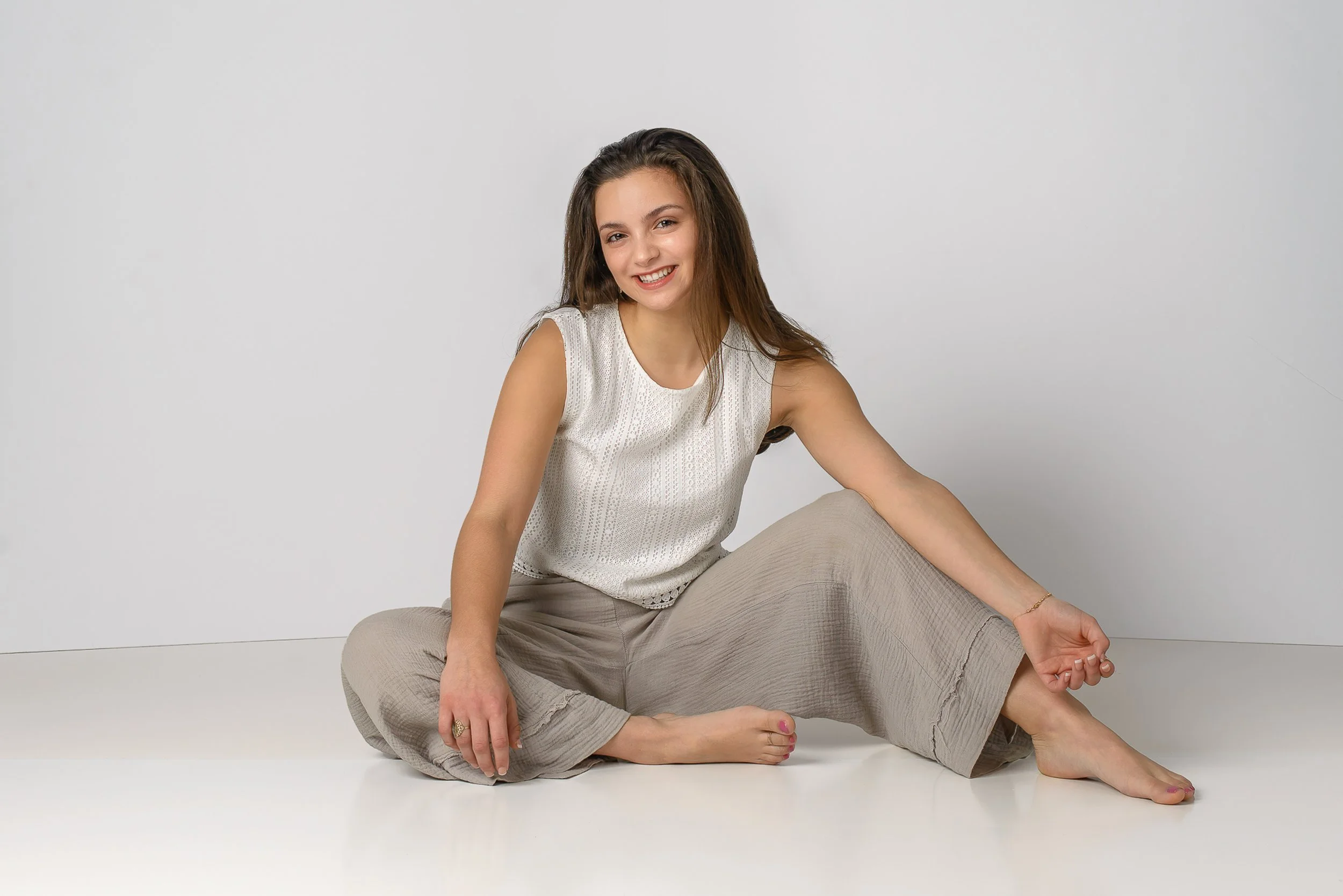
Photographers use directional light — often indoors or in a studio — to create portraits that have shape, dimension, and mood.
Especially great for:
Performers
Dancers
Creative seniors
Studio lovers
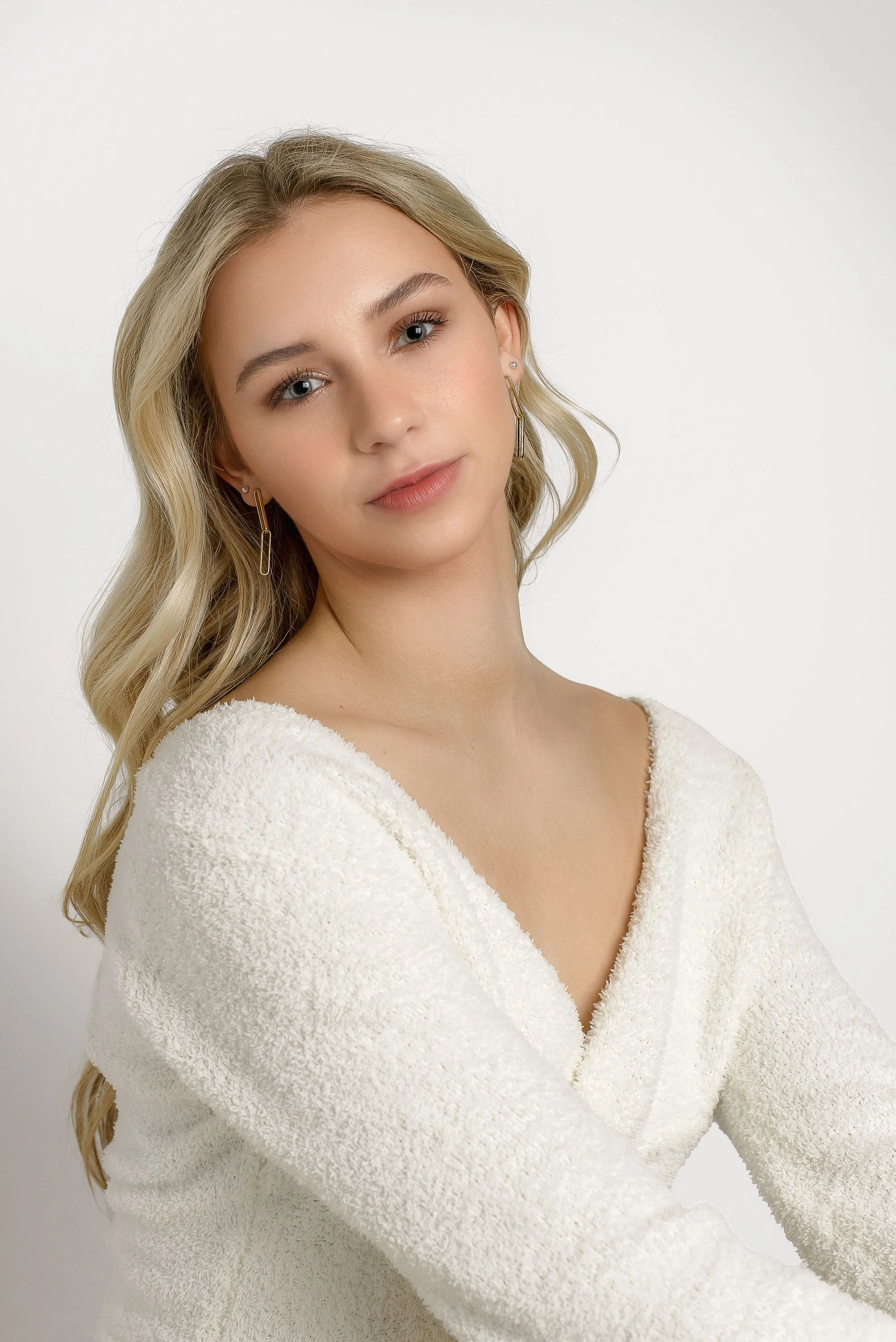
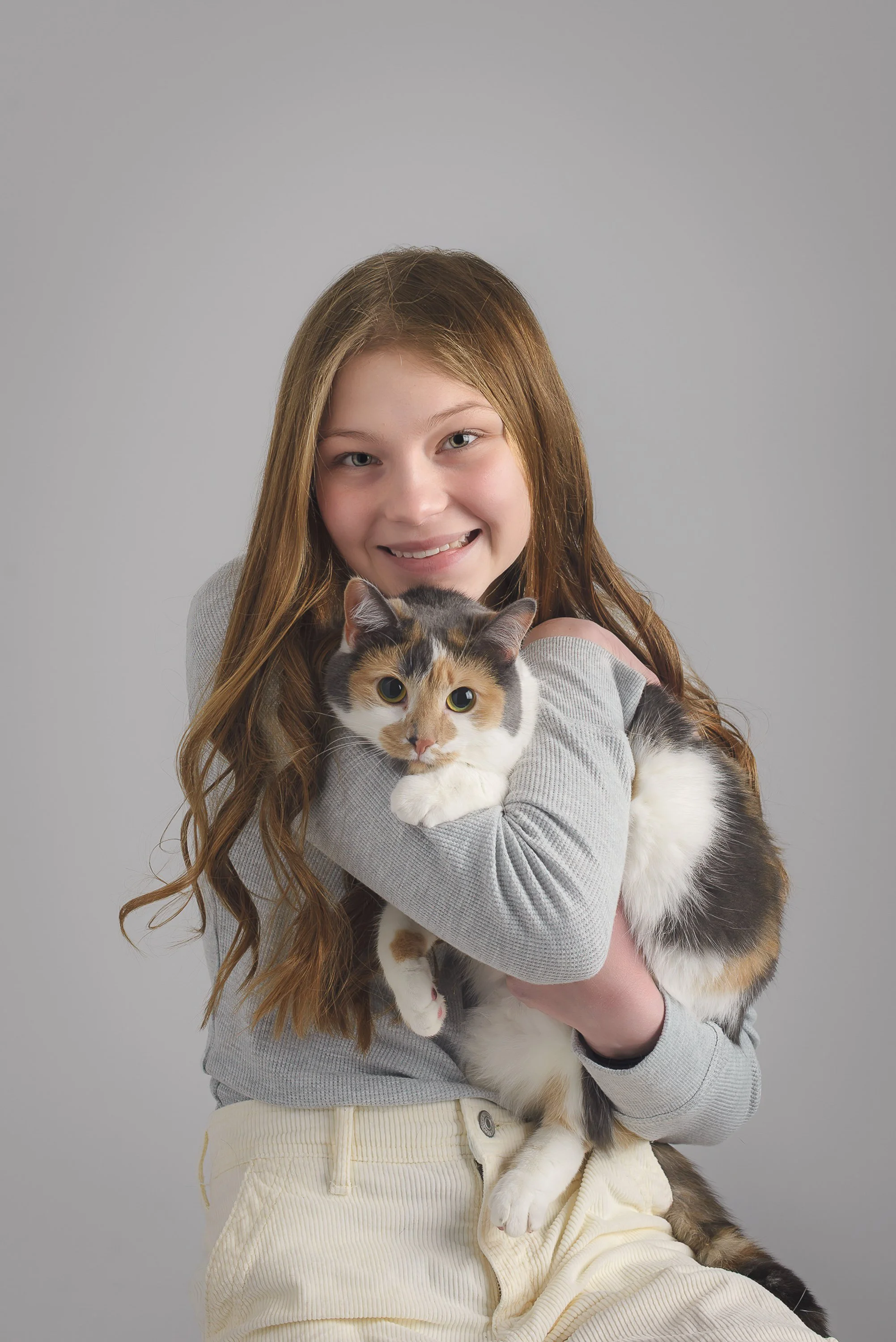
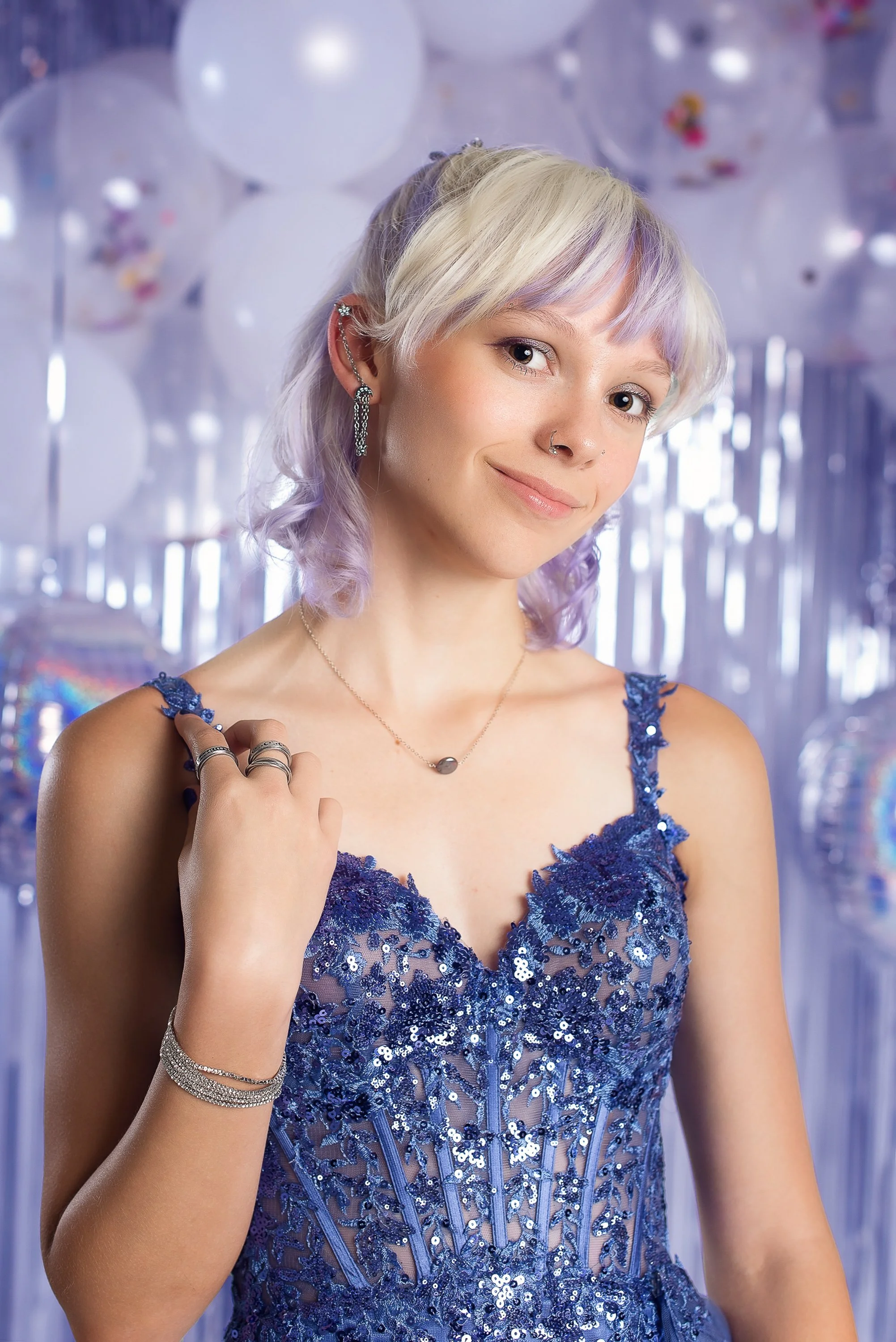
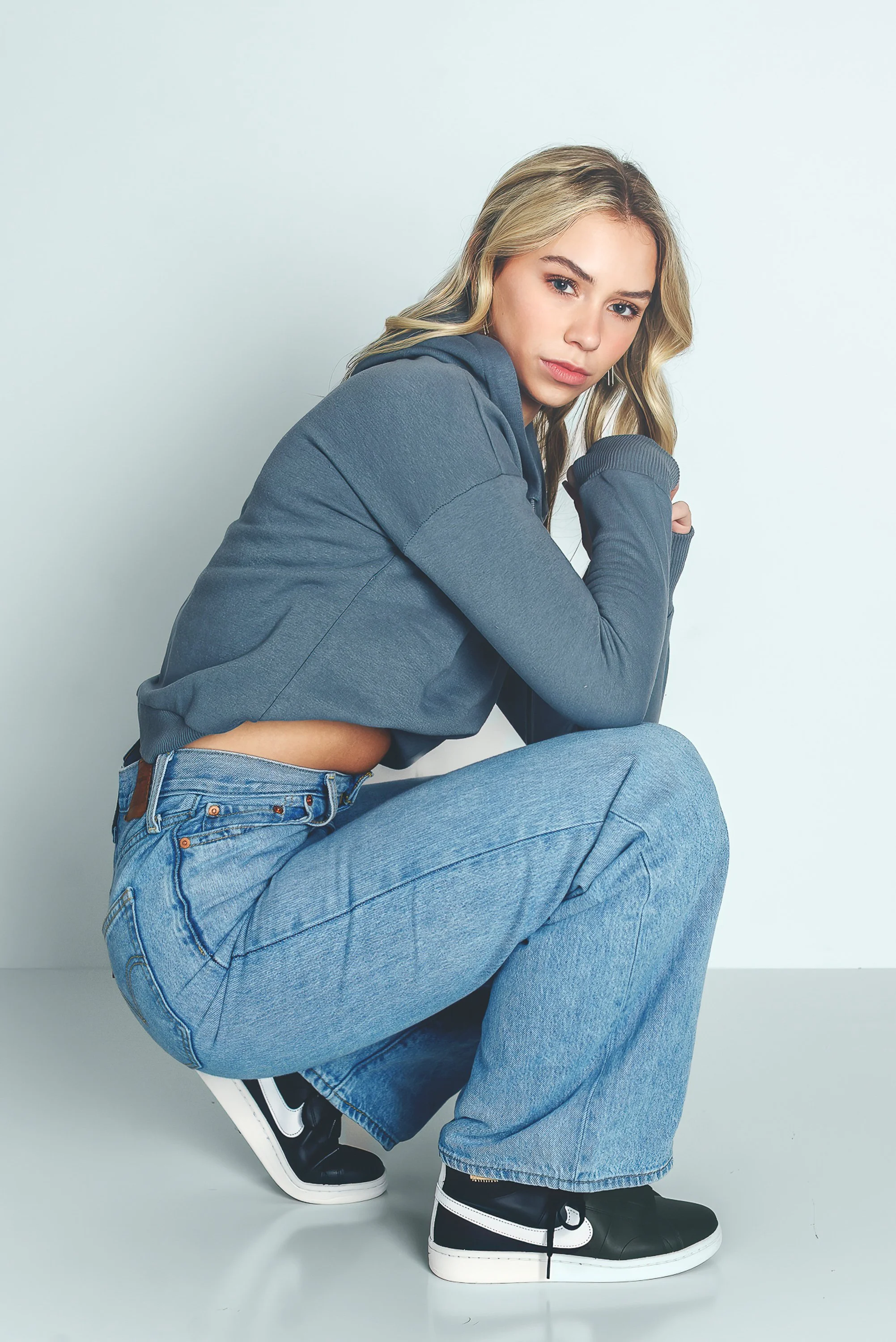
When Studio Light Beats Natural Light
Studio light allows total control over:
Brightness
Shadows
Mood
Background
Highlight placement
It’s perfect for seniors who want an editorial or modern look.
6. How Skin Tones and Light Work Together
Professionals understand how to choose light that flatters every skin tone.
We look for:
True color
Soft highlight transitions
Avoiding green or orange color cast
Keeping the face evenly lit
The Bottom Line
Light is the most important tool a photographer has. Whether we’re shooting at sunset, using open shade, or creating dramatic studio images — every lighting choice is intentional, artistic, and designed to help seniors look their absolute best.
Beautiful portraits don’t happen by accident. They come from understanding and shaping light with purpose; and that’s something I walk every senior through as a part of my senior portrait experience.